


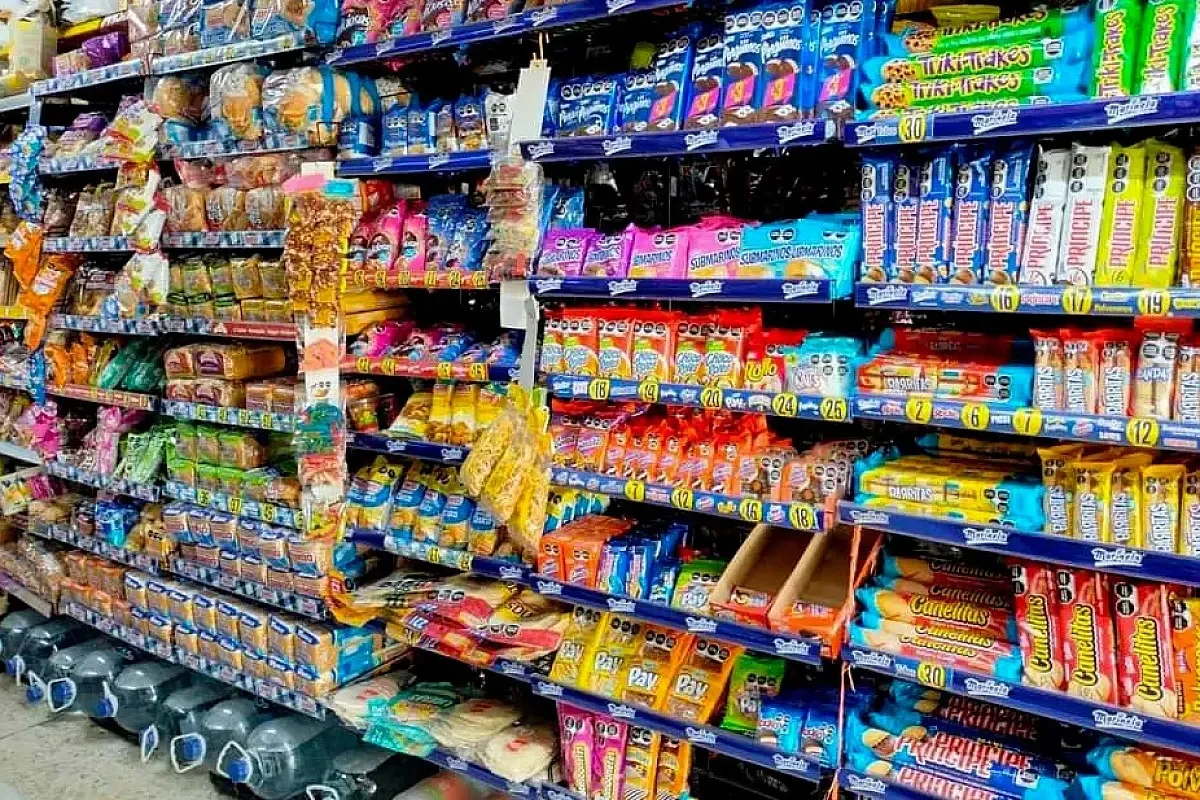
Panamanian households paid an average of $54.76 more to purchase the complete basic food basket at neighborhood corner stores compared to supermarkets during late September, according to fresh data from the Consumer Protection and Competition Authority (Acodeco). The price monitoring report covering the second half of September 2026 placed the cost of all 59 regulated food items at $360.79 in minisúpers and corner stores across Panama and San Miguelito districts, while the same basket averaged $306.03 in larger supermarket chains.
The gap reflects a persistent structural disadvantage for families who rely on small-format retailers for daily grocery needs. Acodeco’s Department of Price Information and Verification tracked both retail channels across the metropolitan area, documenting how corner store prices continue to outpace supermarket rates for nearly every essential category, from fresh produce to canned goods.
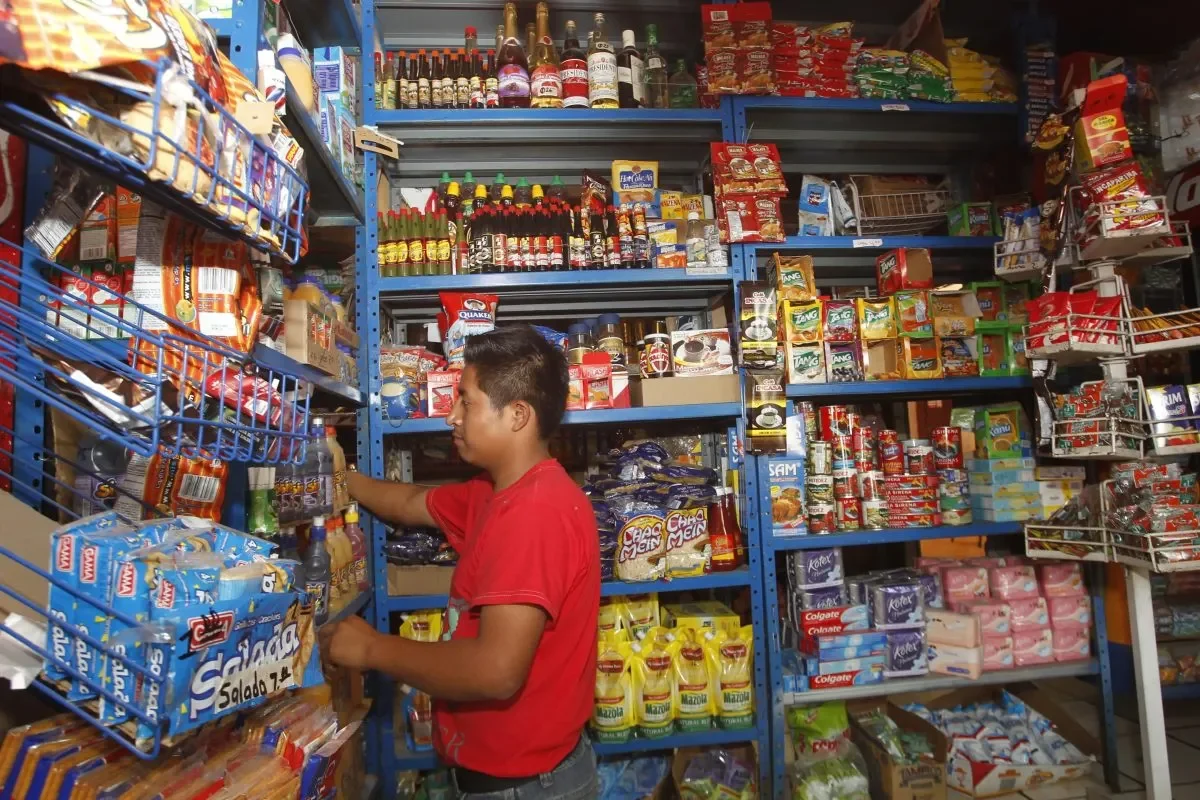
Corner Store Prices Climb Faster Than Supermarket Rates
The second half of September brought price increases across both retail formats, but the burden fell disproportionately on small-store shoppers. Supermarket basket costs rose $1.35 from the first half of the month, while corner store routes jumped $5.58 over the same period. Historical data shows corner store prices climbed from $355.21 in mid-September to $360.79 by month’s end, while supermarket totals moved from $301.92 in late August to $306.03 on September 30.
Fresh produce showed some of the starkest disparities. A kilogram of national tomatoes or yellow onions sold for between $1.60 and $2.95 in supermarkets, but the same vegetables reached $3.86 and $4.41 per kilogram in various monitored corner stores. The pricing structure reflects the limited purchasing power and higher logistics costs facing small retailers, who cannot negotiate the volume discounts available to large chains.
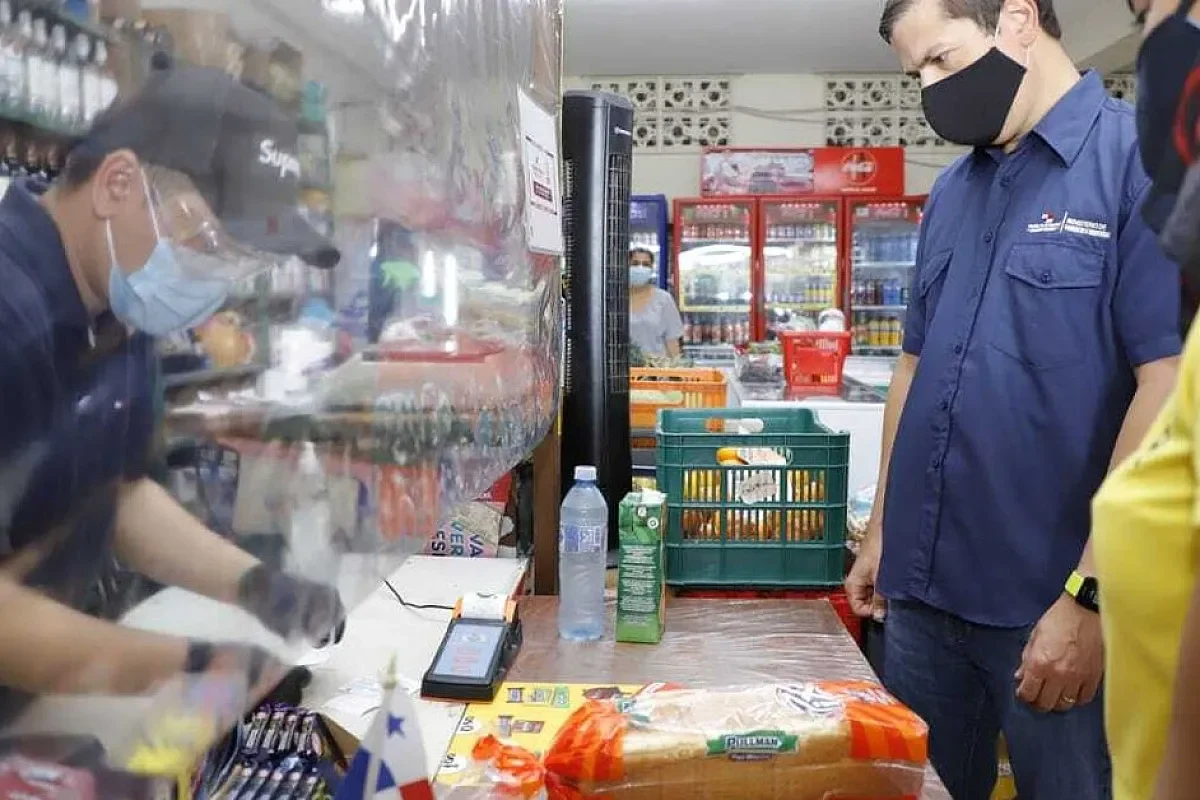
Staples and Canned Goods Show Sharp Price Divergence
Dry goods and canned essentials revealed equally significant gaps. First-grade rice sold for $1.42 to $1.54 per kilogram in supermarkets but ranged from $1.65 to $1.93 in neighborhood stores. Canned tuna at 142 grams cost between $1.24 and $1.80 at large retailers, while minisúpers charged $1.65 to $1.95 for identical products. Sardines in tomato sauce showed an even more dramatic spread, priced at $0.39 to $0.49 in supermarkets but reaching $0.80 to $1.10 in some corner stores.
Processed foods followed the same pattern. Corn flakes in 300-gram boxes ranged from $1.69 to $2.49 in supermarkets but climbed to between $3.00 and $3.99 in certain minisúpers. Ground coffee in 425-gram packages showed the widest absolute gap, starting at $2.62 in large chains but reaching up to $8.25 in peripheral corner stores for specific brands.
Free-Market Categories Add Volatility to Household Budgets
Products under Panama’s free supply and demand regime, including beef, chicken, rice, eggs, and vegetables, registered notable price variations across monitored establishments. The Ministry of Economy and Finance defines the 59-item basket that Acodeco tracks, providing a standardized measure for comparing retail channels. The monitoring routes cover both formal supermarket chains and the informal network of minisúpers and corner stores that serve as primary grocery sources for many urban neighborhoods.
Economies of scale and promotional offers at large surface retailers help contain prices for basic grains and packaged goods. Corner stores, by contrast, often stock smaller package sizes or different brands that carry higher unit costs. This dynamic forces households without reliable transportation or those making frequent small purchases to absorb a premium that compounds monthly.
The widening gap between retail formats underscores the financial pressure on lower-income families who shop incrementally. For a household purchasing the full basket at corner store prices, the annualized difference exceeds $650 compared to supermarket shopping, a meaningful sum in a market where food costs represent a substantial share of monthly expenses.