


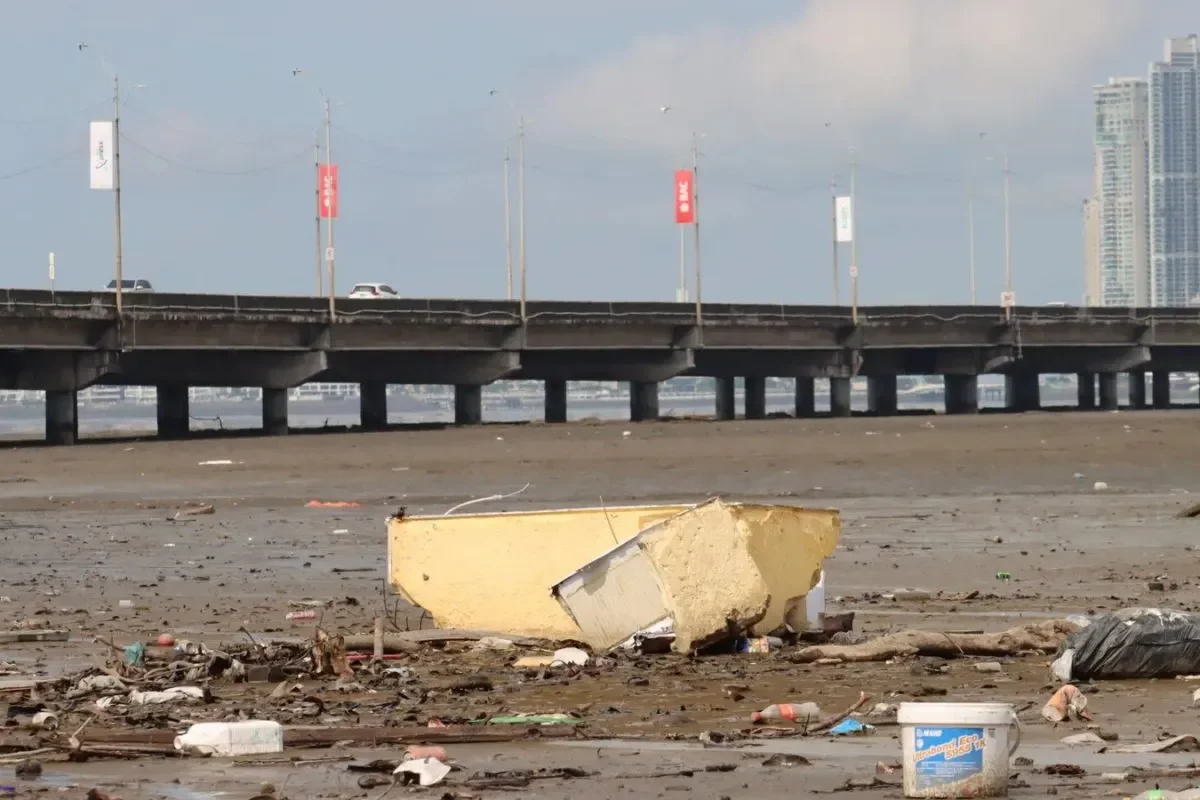
Panama’s Ministry of Environment (MiAmbiente) confirmed the country’s updated climate commitments this week, placing Panama emissions reduction at the center of its national strategy. The announcement, tied to the International Day of Climate Action observed every October 24, outlines a plan to cut greenhouse gas emissions by 11 percent before 2035, with a potential increase to 17 percent contingent on international financial support.
Edna Flores, head of the Climate Action Department at MiAmbiente, framed the dual challenge facing the country. Droughts, flooding, and shifting rainfall patterns now threaten water supplies, food production, homes, businesses, and infrastructure across Panama.
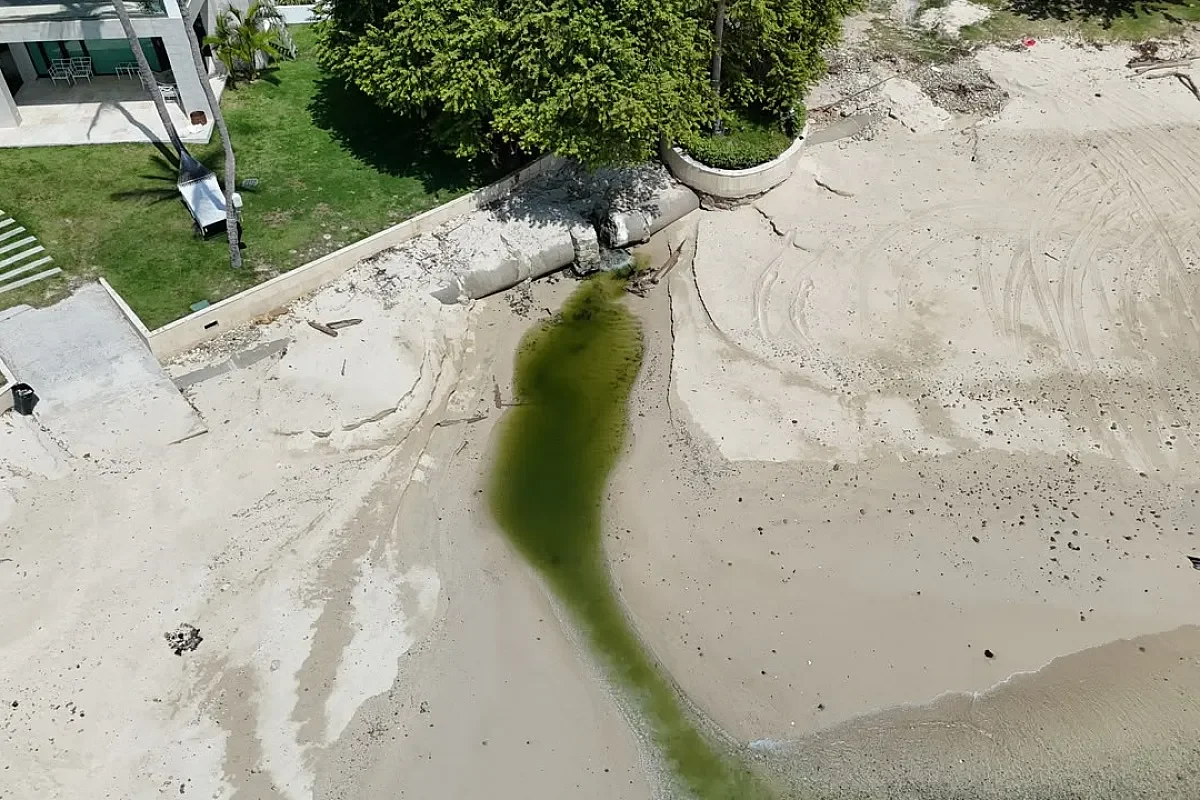
Panama Emissions Reduction and Carbon Negative Status
Data from the 2021 National Greenhouse Gas Inventory shows Panama emitted 20.5 million tons of greenhouse gases that year. But the country’s forests and mangroves absorbed 6.8 million tons more than total emissions, giving Panama a carbon negative classification. This status depends heavily on the health of its ecosystems, which is why MiAmbiente prioritizes protecting forests and mangroves alongside cutting emissions from energy, agriculture, and industry.
The climate strategy includes several financial mechanisms. Carbon markets are positioned to attract investment toward projects that reduce emissions and support sustainable development. The Sustainable Finance Taxonomy, launched in March 2024, identifies 65 economic activities across 11 sectors to guide capital toward environmentally beneficial ventures. In the corporate sphere, 170 organizations measured their carbon footprint during the 2025 cycle of the Reduce Your Corporate Footprint program and received recognition in 2026.
🌎 En el Día Internacional de la Acción Climática, MiAMBIENTE advierte sobre los efectos del cambio climático en Panamá y llama a reducir emisiones, proteger los recursos naturales y fortalecer la adaptación. #NacionalesKW https://t.co/0nOeSwmq3o
— KW Continente (@KWCONTINENTE) October 25, 2026
Restoration Targets and National Coordination
Beyond emissions cuts, Panama’s Nationally Determined Contribution 3 (CDN3) commits to restoring 100,000 hectares between 2026 and 2035. That figure includes 2,500 hectares of degraded mangroves, a critical ecosystem for both carbon absorption and coastal protection.
The Climate Action Department coordinates the National Climate Change Committee (CONACCP), which brings together 27 member institutions. The department also manages the National Climate Transparency Platform, a centralized system organizing information on climate-actions. These coordination structures aim to align government agencies, private sector actors, and civil society around shared climate goals.
Community Vulnerability and Adaptation Planning
Climate impacts vary significantly across communities, making risk identification essential for directing adaptation measures. The National Climate Risk Atlas serves as a primary tool for mapping vulnerabilities and supporting decision-making. MiAmbiente also consulted roughly 1,200 people across all ten provinces and two indigenous regions through the Pact of Panama with Nature, with women representing 51 percent of participants.
Additional resources include climate change guides for teachers, a public knowledge hub, and ongoing efforts to develop adaptation plans for the most vulnerable sectors. MiAmbiente emphasizes that climate risks must be incorporated into planning and investment decisions across all levels of government and private enterprise.
“Acting is imperative: we must reduce emissions and, at the same time, prepare the country for the impacts of climate change,” Flores said [Translated from Spanish].
The ministry’s approach reflects a broader recognition that mitigation and adaptation are inseparable. Protecting water sources, crops, and coastlines requires the same institutional focus as cutting emissions. With the 2035 target now formalized, implementation timelines and financing mechanisms will determine whether Panama’s carbon negative status holds and its most exposed communities receive the protection they need.
