


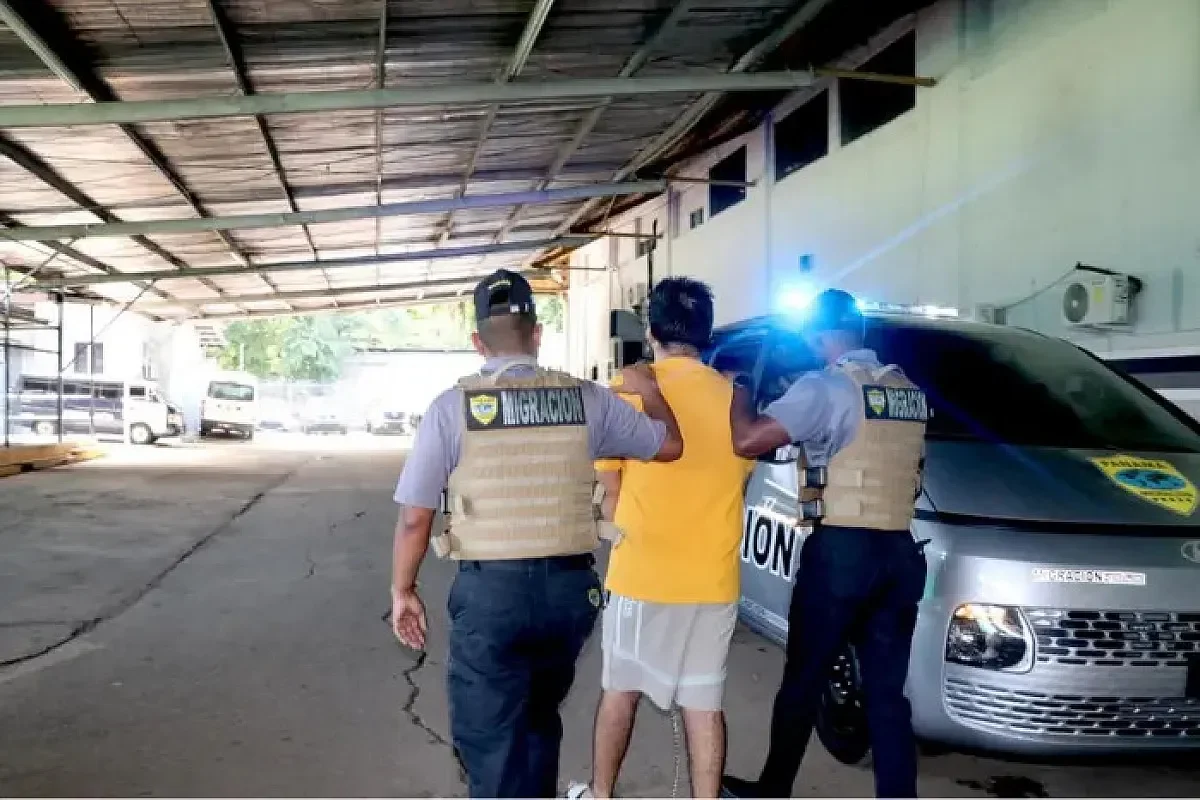
Panamanian authorities expelled Juan Carlos Castillo Vaca, known as D-Max, to Colombia on Tuesday, October 27, where he faces a prison sentence exceeding 40 years. The Panama deportation was executed by the National Migration Service (SNM) after confirming an Interpol red notice against the alleged leader of the Los Dimax criminal group operating in Cali.
Castillo Vaca was detained in September by the SNM’s Border Protection Profiling and Analysis Unit following coordinated verification efforts with international cooperation agencies. Officials confirmed his identity and pending judicial requirements in Colombia before proceeding with the expulsion.
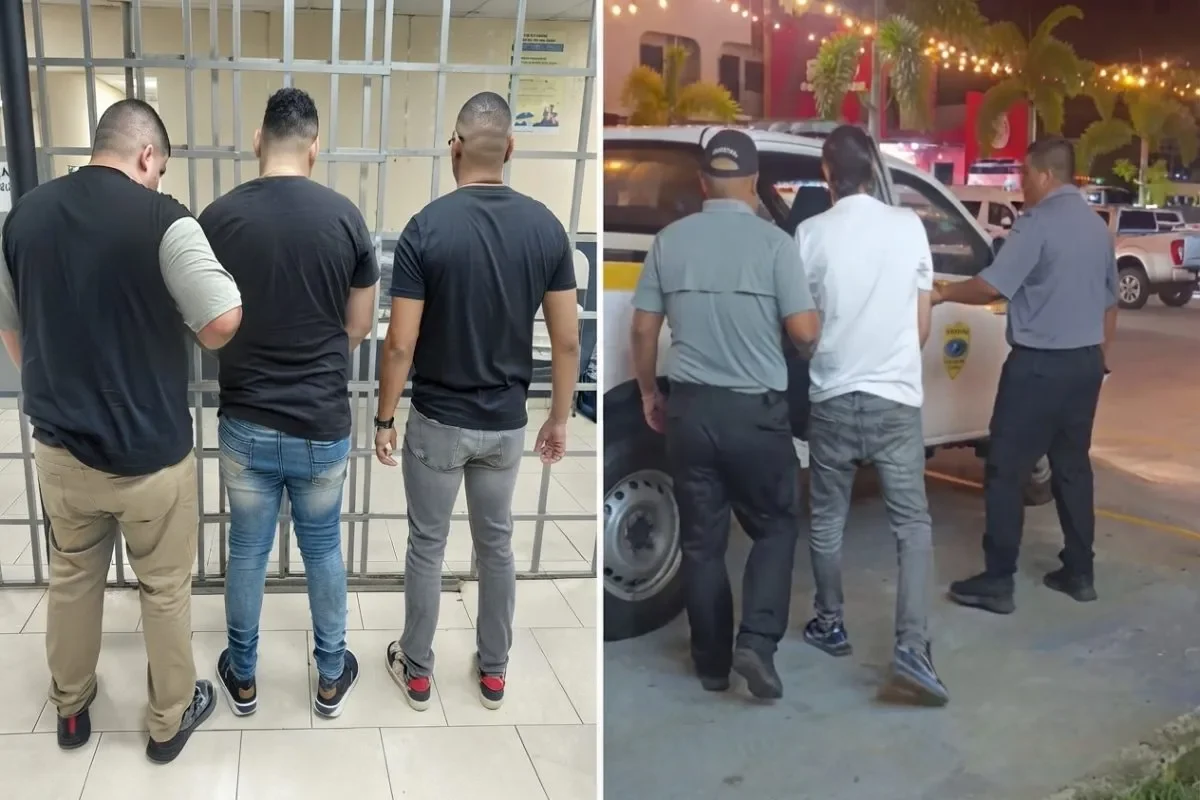
Panama Deportation Follows International Manhunt
The Colombian national is accused of leading large-scale drug trafficking operations, homicides, extortion schemes, and illegal lending through the “gota a gota” method. This informal lending practice involves frequent payment collections enforced through threats and intimidation tactics against borrowers.
Colombian authorities issued the Interpol notification that triggered the cross-border operation. Panamanian migration officials said the expulsion aligns with established security protocols and coordination between national and international agencies. The handover places Castillo Vaca at the disposal of Colombian judicial authorities.
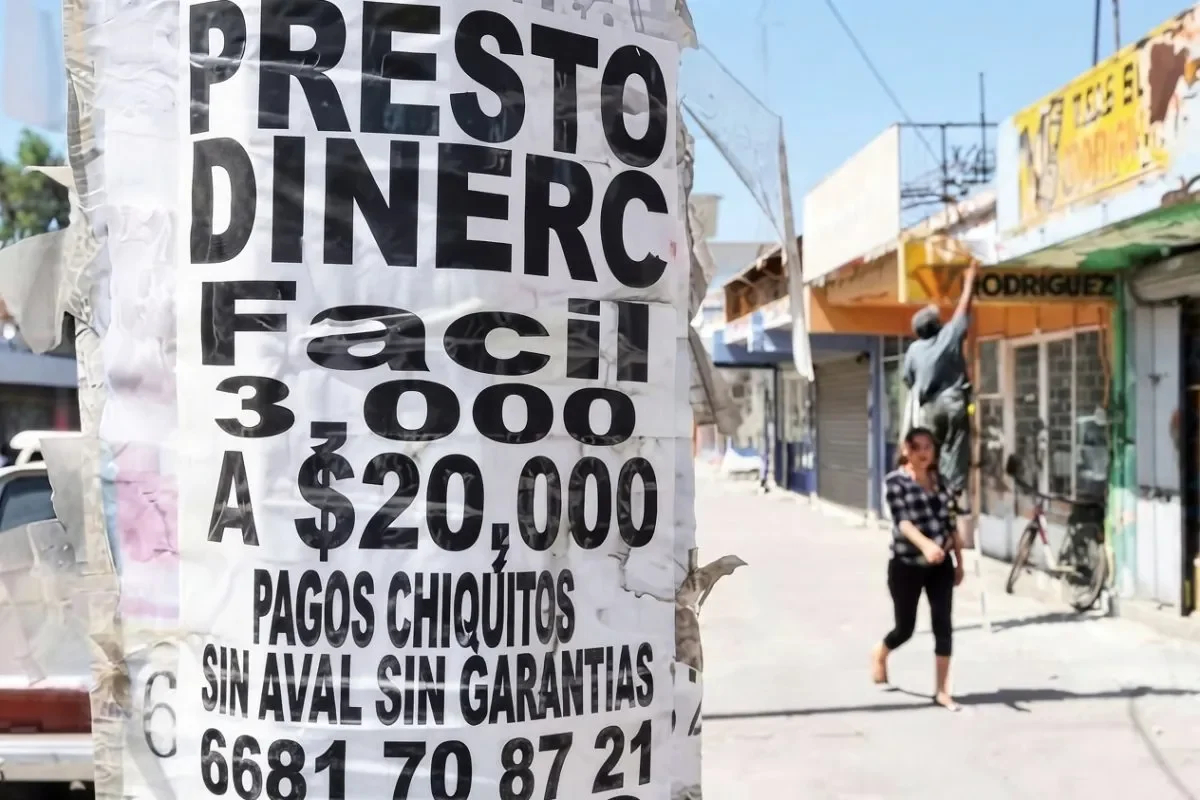
Why Gota a Gota Loans Are Becoming Illegal
The “gota a gota” system, which translates to “drop by drop,” has spread through Latin America as a predatory micro-lending scheme. Lenders offer quick cash without collateral or formal contracts, then demand daily or weekly payments at exorbitant interest rates that can reach 20 percent per day. When borrowers fall behind, collectors escalate from harassment to physical violence.
Panama has moved to criminalize these informal loans as part of broader financial security reforms. Lawmakers recognize that the practice operates entirely outside banking regulations, leaving victims without legal protection while funding criminal enterprises. The connection between loan sharking and organized crime groups like Los Dimax has accelerated legislative action against unregulated lending.
Regional Security Implications
Castillo Vaca’s expulsion highlights growing cooperation between Panama and Colombia on cross-border criminal networks. The SNM’s profiling unit has expanded its capacity to identify fugitives attempting to use Panama as a transit point or refuge. International databases and real-time information sharing have become central to these enforcement operations.
The Los Dimax group’s alleged involvement in multiple criminal activities demonstrates how illegal lending operations finance broader organized crime. Colombian prosecutors will now pursue the outstanding sentence while regional authorities continue monitoring affiliated networks that may attempt to regroup following their leader’s capture.