


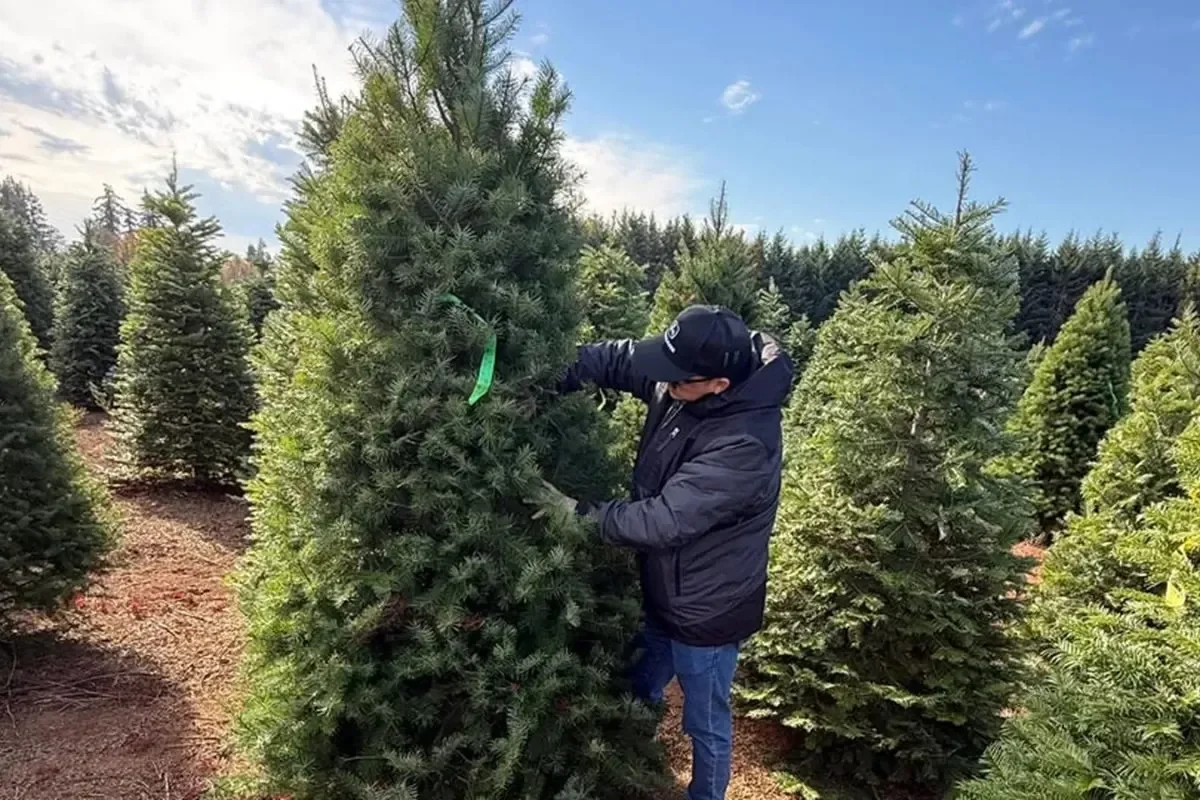
Panama expects to receive approximately 45 containers of Christmas trees during the 2026 import season, a slight increase over 2025 volumes, according to the Ministry of Agricultural Development (MIDA). The agency has already launched phytosanitary surveillance and inspection operations to block pests and diseases that could threaten domestic crop production.
Importing companies have notified MIDA of plans to bring trees from Canada and the state of Oregon in the United States. The import window runs through mid-November, and officials said the final container count could shift as the season progresses.
Christmas Trees Inspection Protocols at Ports of Entry
For shipments originating in Oregon, inspectors from the Executive Directorate of Agricultural Quarantine are conducting pre-shipment checks at the source. These reviews verify that trees meet import requirements and phytosanitary standards set by the National Directorate of Plant Health.
Containers inspected at origin must still pass a documentary review upon arrival at Panamanian ports before release. This dual-layer system is designed to catch any gaps in compliance before products reach retailers.
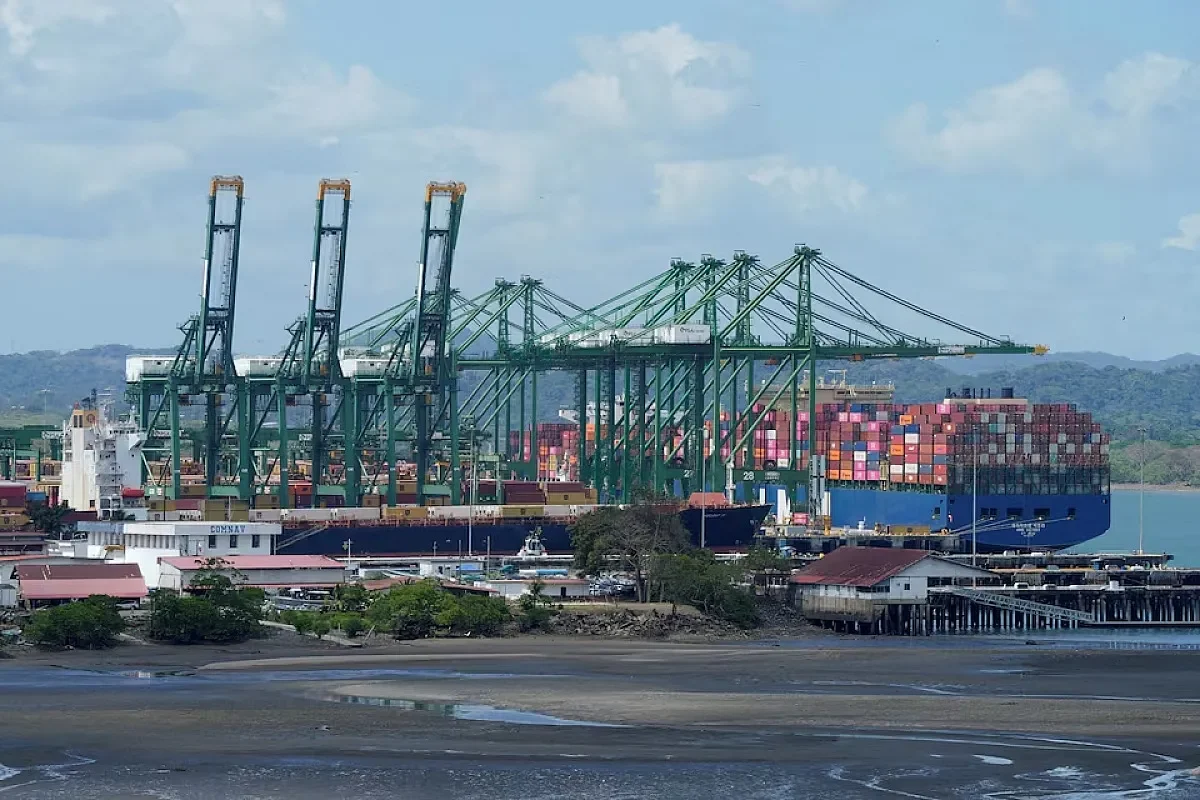
Four containers of Canadian Christmas trees have already arrived through the SSA Marine MIT port and are undergoing phytosanitary inspections. Each container typically carries between 400 and 900 trees, depending on size and cargo capacity.
Canada and Oregon Supply Chain Details
MIDA estimates that the 45 projected containers would deliver somewhere between 18,000 and 40,500 trees to the Panamanian market. The wide range reflects variability in tree dimensions and how densely each shipping container is packed.
The ministry has not released specific figures on the value of this season’s imports. But the consistent year-over-year volume signals stable consumer demand for imported conifers during the holiday period, despite Panama’s tropical climate requiring careful handling and rapid distribution.
Phytosanitary Safeguards and Agricultural Protection
Panama’s inspection regime targets pests that could hitch rides on cut trees, including certain beetles, fungi, and nematodes that pose risks to banana, coffee, and forest plantations. The country’s geographic position as a trade hub makes port-level biosecurity a priority for agricultural authorities.
MIDA officials emphasized that all importers must comply with documentation requirements before any container is released from port custody. Non-compliant shipments face rejection or treatment at the importer’s expense.
The ministry began coordinating with importers weeks ahead of the first arrivals to streamline inspections without compromising safety standards. That coordination appears to be paying off, with the first Canadian containers already moving through the clearance process.
