



Panama’s Instituto Oncológico Nacional (ION) has introduced hyperthermic intraperitoneal chemotherapy (HIPEC), marking the first time this advanced cancer treatment is available in the country’s public or private healthcare systems. The procedure targets patients with specific cancers that have spread to the peritoneum, the membrane lining the abdominal cavity and its organs.
The announcement came from ION director general Julio Santamaría, who confirmed the hospital has acquired the equipment necessary to perform the complex intervention domestically. Until now, eligible patients had to travel abroad for the procedure.
NACIONALES| Panamá marca un hito en la atención oncológica con la incorporación del primer equipo para realizar el procedimiento de quimioterapia intraperitoneal hipertérmica (HIPEC), en el Instituto Oncológico Nacional (ION). https://t.co/1M10vhtC1v
— Realidad Noticias (@realidadpma) November 23, 2026
How the HIPEC Advanced Cancer Treatment Works
The treatment combines cytoreductive surgery with heated chemotherapy delivered directly into the abdomen. Surgeons first remove visible tumors from the abdominal cavity, then administer chemotherapy heated to approximately 42 to 43 degrees Celsius directly into the peritoneal space.
Dr. José Pérez González, chief of surgical wards and anesthesiology services at ION, said these interventions typically last between six and eight hours due to their complexity. The procedure requires specialized anesthetic and hemodynamic management, along with support from intensive care units and the blood bank to ensure patient safety throughout the surgery and recovery.

Eligible Cancers and Patient Criteria
Santamaría specified that the procedure may be considered for patients with certain tumors, including ovarian cancer, colon cancer, stomach cancer, and other tumors affecting the peritoneum. But he stressed that not all patients with these diagnoses qualify for the treatment.
Medical evaluation determines eligibility based on disease location and strict clinical criteria. The treatment represents a significant advancement for Panama’s oncology capabilities, according to Santamaría, positioning the country to manage complex peritoneal cancers without sending patients overseas.
Clinical Infrastructure and Safety Protocols
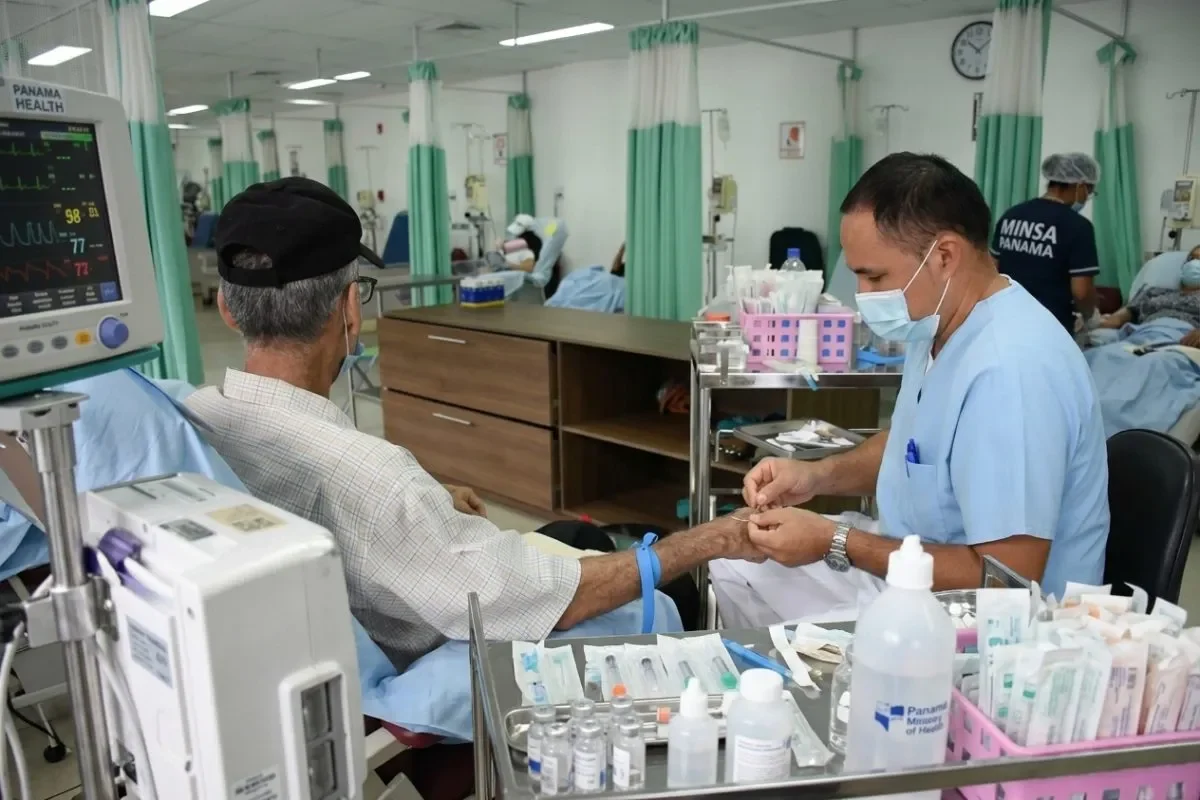
The HIPEC program at ION relies on coordinated support across multiple hospital departments. The blood bank and intensive care units play critical roles in managing patients during and after the procedure, given the physiological stress of heated intraperitoneal chemotherapy combined with extensive surgery.
Pérez González emphasized that the anesthesiology team must maintain precise hemodynamic control throughout the operation. The six-to-eight-hour duration demands sustained clinical vigilance, making this a key resource-intensive procedures now offered at the National Oncology Institute.
The introduction of HIPEC at ION reflects broader efforts to expand specialized cancer care within Panama’s public health system. By eliminating the need for international travel, the program reduces both financial and logistical barriers for patients facing advanced abdominal cancers.