


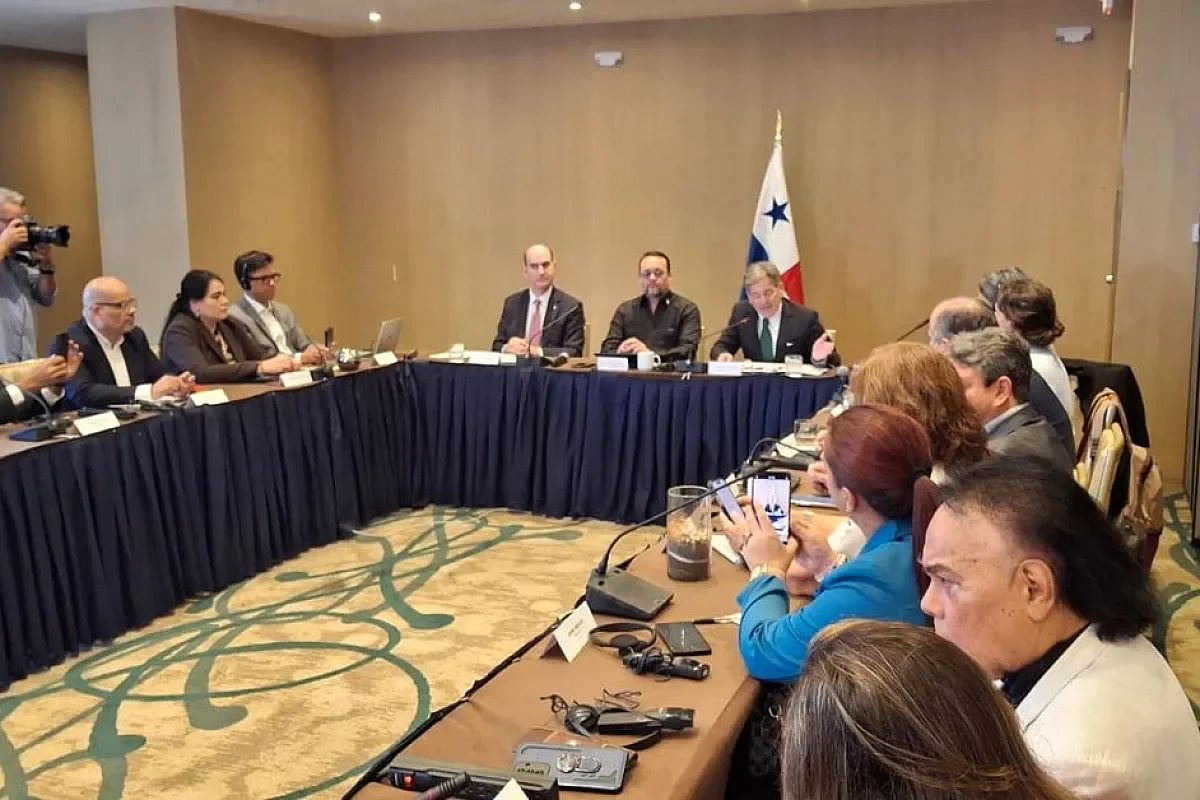
Panama’s government has selected Australian consultancy Spektrum to manage citizen participation for the future of the copper mine Donoso, a pivotal step in resolving the legal and social fallout from the 2023 contract annulment. The Interministerial Commission unveiled the firm to media directors and editors on Thursday, November 26, setting a January 2027 start date for formal community sessions.
The consultation process will operate under the Escazú Agreement, which mandates transparency, public access to information, and the right of Panamanian citizens to voice opinions before the executive branch reaches a final decision. Ministers Julio Moltó of Commerce and Industries, Felipe Chapman of Economy and Finance, and Juan Carlos Navarro of Environment clarified that collected feedback will not be binding but will serve as technical input for consensus building.
Copper Mine Donoso Dialogue Framework and Legal Safeguards
Spektrum joins two other international firms already contracted to address the mining issue. One handles technical advisory work, another manages legal matters, and Spektrum focuses exclusively on social dialogue. The government stressed that Spektrum has no ties to the mining company and was hired through Hughes Hubbard & Reed LLP, the law firm representing Panama in international arbitration cases, under a contract approved by the Comptroller General.
To avoid the flaws identified by the Supreme Court in its November 2023 ruling, which declared the previous contract unconstitutional partly due to lack of consultation, the new process includes digital and in-person mechanisms exclusively for Panamanian citizens. The court’s decision sent shockwaves through the country’s mining sector and triggered multiple arbitration claims.
El Gobierno contrató a la firma internacional Spektrum para conducir el proceso de participación ciudadana sobre el futuro de la mina de cobre. Spektrum es una firma especializada en participación y legitimidad en grandes proyectos de recursos naturales. Fue fundada y es presidida por Katherine Teh, con 30 años de experiencia en Australia, Chile, Perú, Brasil y Papúa Nueva Guinea. En Panamá, el equipo estará encabezado por Mariana Carmona, directora de Participación y vocera, y Mick Gooda, jefe de Desarrollo Indígena y Consentimiento. #MetroLibre
— Metro Libre (@MetroLibrePTY) November 26, 2026
Leadership Team and Community Engagement Timeline
Spektrum’s team will be led by founder and executive president Katherine Teh, who brings 30 years of experience in socio-environmental and mining conflicts across Chile, Peru, and Australia. She will be joined by Mariana Carmona, an economist serving as the process spokesperson in Panama, and Mick Gooda, an Indigenous Australian leader who will coordinate engagement with the four Indigenous communities near the project alongside local facilitators.
The official roadmap establishes three immediate steps. A digital platform will open in the coming days for registration, document review in plain Spanish, and submission of input. December 2026 will see a design workshop with stakeholders from opposing viewpoints to define discussion topics. January 2027 marks the start of in-person sessions in areas surrounding the mine and nationwide, with Indigenous communities receiving dedicated space in the Ngäbere language under the Constitution and Law 37 of 2016.
Government Oversight and Final Decision Process
Minister Navarro warned that some proposals will be accepted while others will not, emphasizing that Spektrum will guarantee a broad, transparent, and objective process where all positions and protests are heard. The final reports from Spektrum will be released to the public and the government simultaneously, a step designed to build credibility before the executive announces its definitive verdict on mining activity in the country.
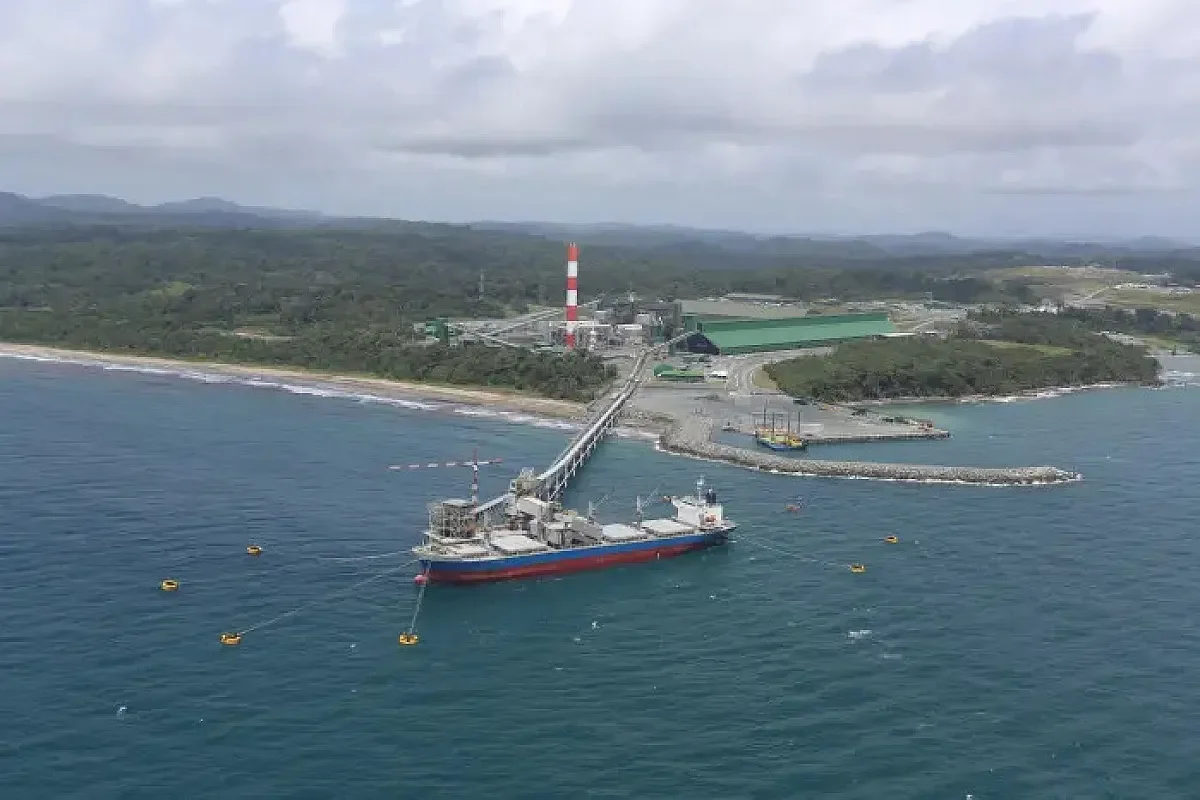
The copper mine Donoso represented a significant portion of Panama’s export revenue before operations halted. Its closure left thousands unemployed and created a fiscal gap that the current administration must address. The consultation process represents the clearest signal yet that the government intends to make a permanent decision rather than leave the project in legal limbo.