


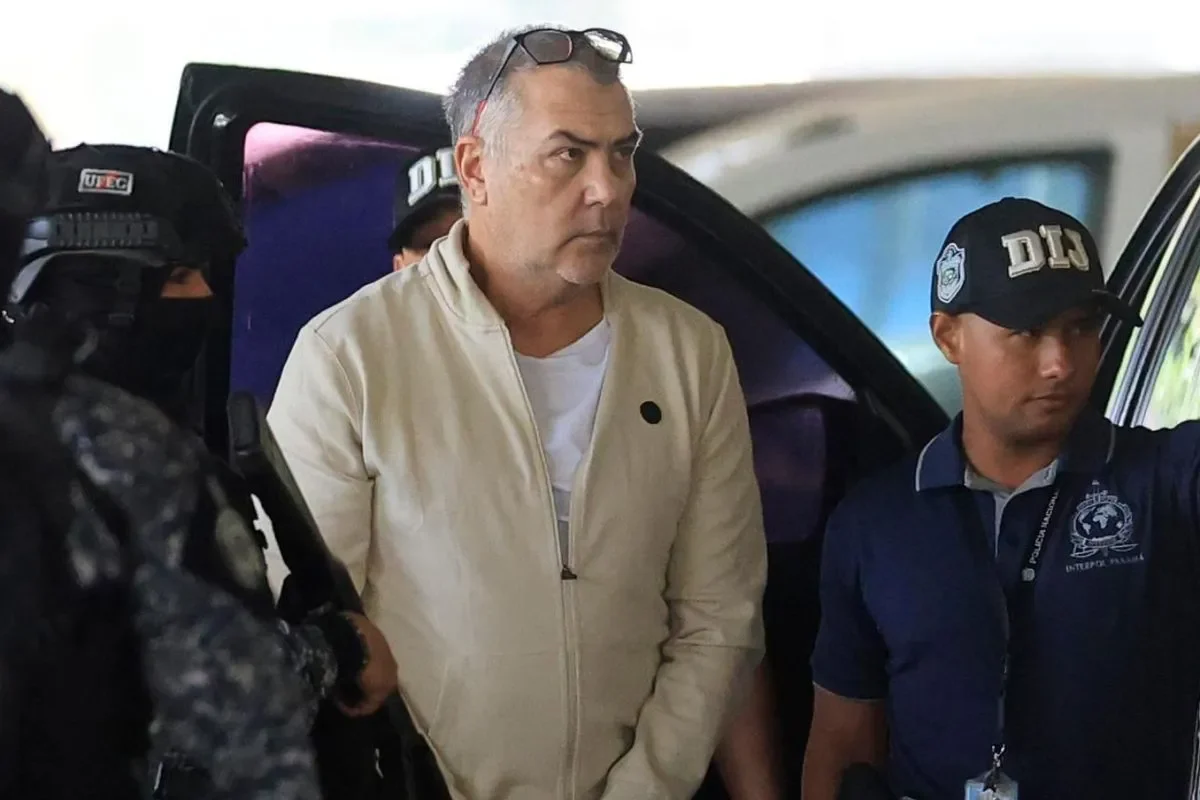
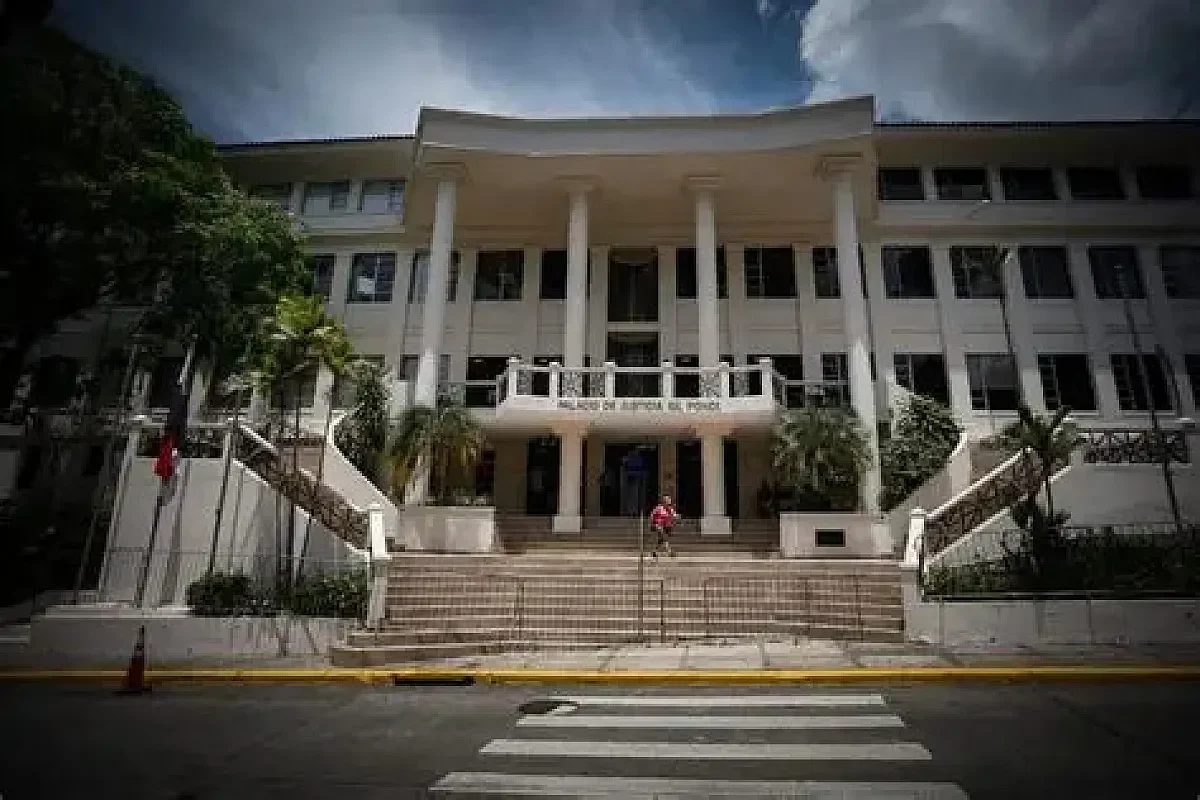
Panama’s Supreme Court has dismissed a terrorism case appeal filed by the defense of Ali Zaki Hage Jalil, the primary suspect in the 1994 bombing of Alas Chiricanas Flight 901. The ruling, issued Wednesday by the Second Chamber of Penal Matters, leaves intact a June decision that the case constitutes a crime against humanity and cannot be time-barred.
The appeal sought to overturn a lower court’s refusal to declare the criminal action expired. Defense attorney Alexis Ríos Samudio argued that a 20-year statute of limitations applied under laws in effect when the aircraft exploded shortly after takeoff from Colón, killing all 21 people aboard.
Terrorism Case Appeal Rejected on Procedural Grounds
The high court declared the appeal inadmissible without examining its merits, according to Edict No. 111. The decision means Hage Jalil and two co-defendants remain under provisional detention facing charges of intentional homicide and crimes against collective security, specifically offenses against transportation and communication infrastructure.
The June ruling from the Superior Court for Liquidation of Criminal Cases held that the attack qualified as a crime against humanity. Under Panama’s Penal Code and Constitution, such offenses are imprescriptible, meaning no time limit applies to prosecution regardless of when they occurred.
#JudicialesTVN Caso Alas Chiricanas: Corte rechaza apelación de Ali Zaki Hage Jalil sobre la prescripción de la acción penal https://t.co/7qndbg5JQC
— TVN Noticias (@tvnnoticias) November 26, 2026
Flight 901 Bombing and Case Reopening
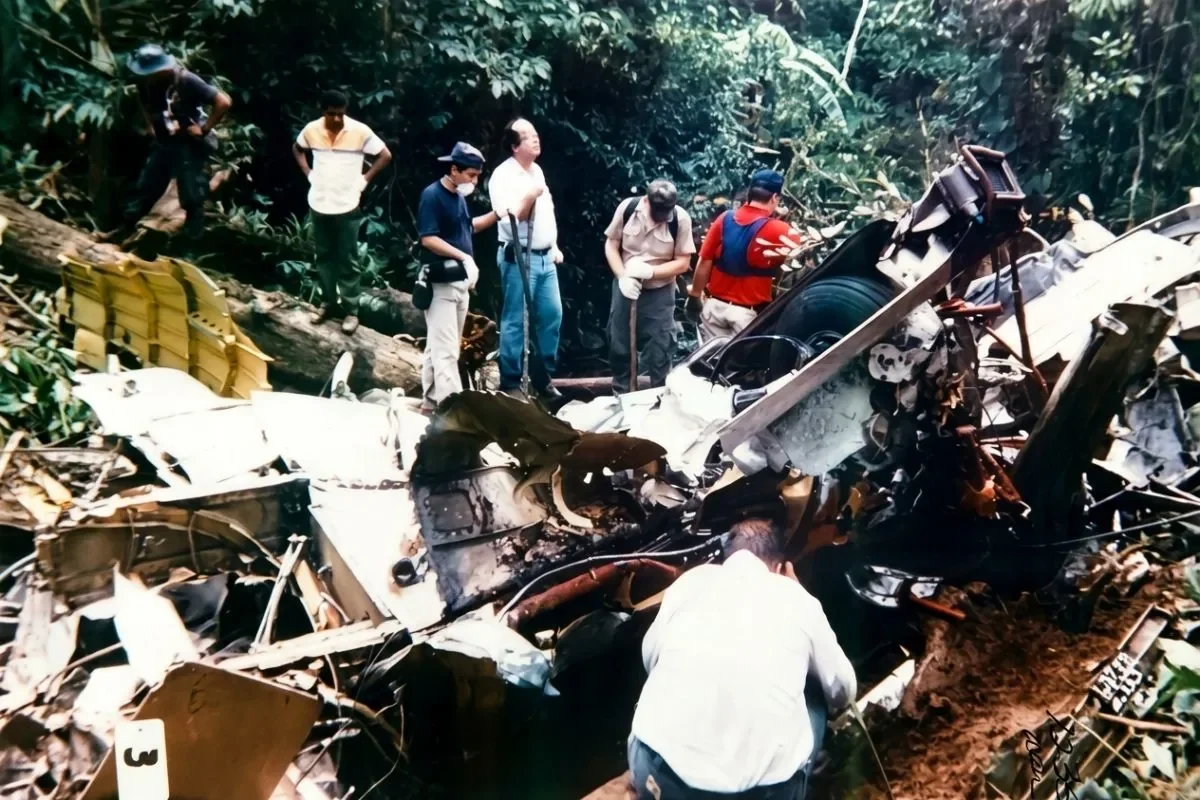
The Embraer 110 Bandeirante, registered HP-1202, was operating a domestic route from France Field in Colón to Panama City on July 19, 1994. Minutes after departure, an explosion destroyed the aircraft. All 21 passengers and crew members died in what investigators classified as a terrorist attack.
Prosecutors archived the case provisionally in 2006. It remained dormant until 2019, when the Public Ministry requested reopening based on intelligence shared by Israel and the United States. That cooperation led to the arrest of Hage Jalil, Mohmoud Moutan Mohammad, and Mahamad Taha Moutan.
Legal Implications of the Imprescriptibility Ruling
The Supreme Court‘s rejection underscores a broader legal principle in Panamanian jurisprudence. Crimes against humanity, including terrorist acts targeting civilian transportation, fall outside standard limitation periods. This interpretation aligns with international human rights law and Panama’s constitutional framework.
For the victims’ families, the decision removes a significant procedural hurdle that could have ended the prosecution before trial. The case now proceeds toward a substantive hearing on the evidence gathered since the 2019 reopening. No trial date has been announced, but the ruling clears the path for proceedings to continue without further delay over temporal jurisdiction questions.