


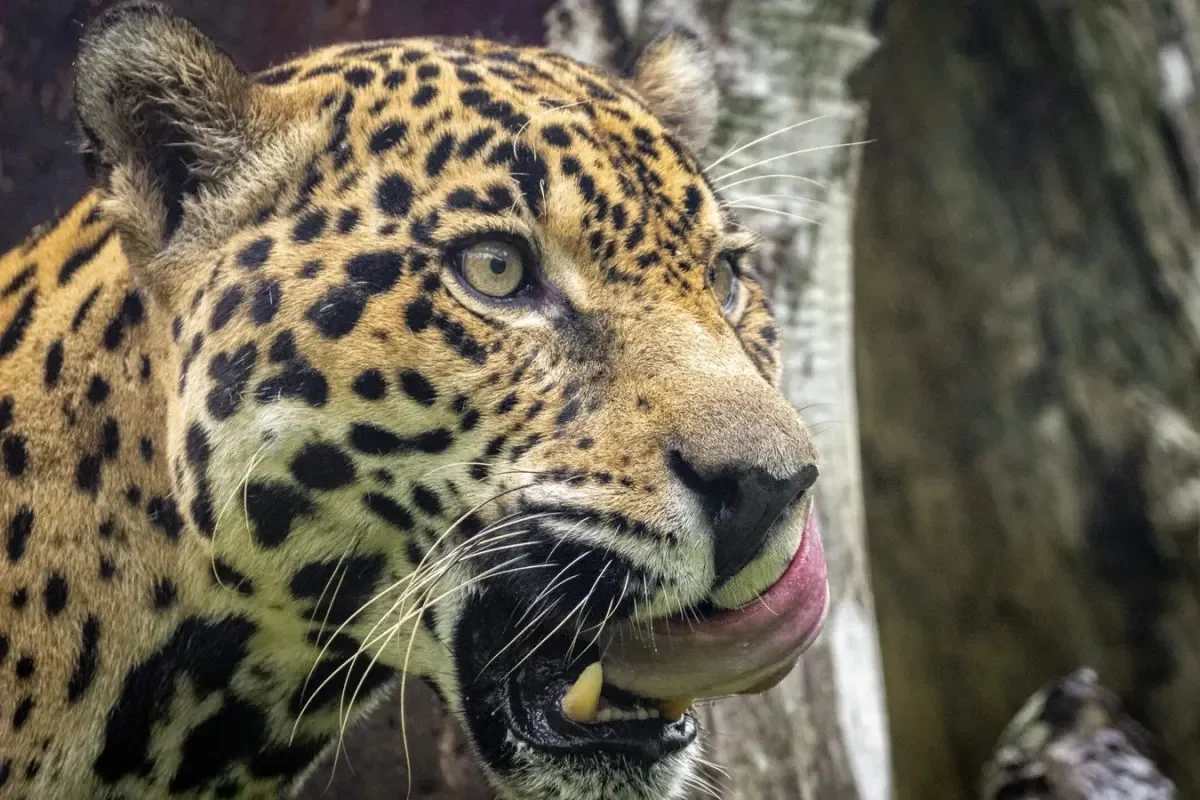
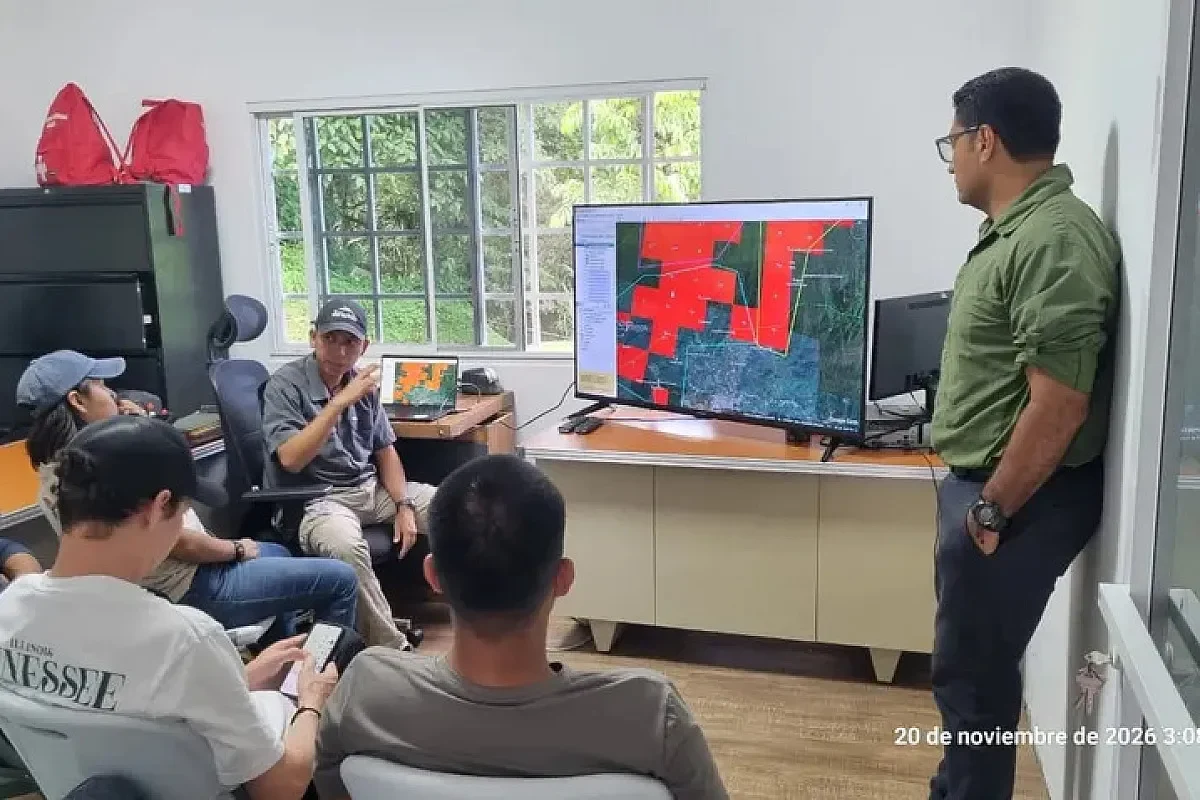
Wildlife biologists have deployed 64 camera traps across Santa Fe National Park in Veraguas province, marking the first large-scale jaguar population study in this protected area. The monitoring effort, which began this week, will cover more than 100 square kilometers of montane forest and forms part of Panama’s broader national jaguar census.
The initiative is led by the Yaguará Panamá Foundation with support from the Ministry of Environment. Researchers have distributed the cameras across 32 monitoring stations throughout the park, which spans 72,636 hectares between the Santa Fe and Calobre districts. The area, established as a national park in 2001, sits along the Central Mountain Range with watersheds flowing toward both the Pacific and Caribbean coasts.
Scope of the Jaguar Population Study
Ricardo Moreno, a wildlife biologist and president of the Yaguará Panamá Foundation, said that while research has occurred in the park since 2004, no deployment of this magnitude had ever been attempted. The current effort represents the second protected area included in this phase of the national census, following similar work in Omar Torrijos Herrera National Park in Coclé province, where 64 cameras were also installed.
The broader second phase aims to monitor at least 66,000 hectares across six protected areas in central-western Panama. A total of 384 cameras will be distributed among 192 sampling stations, funded through the Ministry of Environment’s Fiduciary Unit and Investment Monitoring division. Data collected will help estimate jaguar numbers, identify prey species, and map biological corridors essential for the cats’ movement.
La Fundación Yaguará Panamá, con el apoyo del Ministerio de Ambiente (MiAmbiente) y el financiamiento de la Unidad de Fideicomiso y Seguimiento a Inversiones (UFISI), instaló 64 cámaras trampa distribuidas en 32 estaciones de monitoreo, que cubrirán más de 100 kilómetros cuadrados. https://t.co/C2n4NHN0hD
— PanamáAmérica (@PanamaAmerica) November 26, 2026
Regional Context and Conservation Significance
Santa Fe National Park hosts approximately 300 bird species and all six wild cat species found in Panama, along with roughly 50 waterfalls. The jaguar’s role as an apex predator helps regulate populations of other species and supports forest regeneration processes, Moreno explained.
Panama now ranks as the second country among the 18 jaguar range states in the Americas to develop a national census for the species, following Mexico. The first phase of the census, conducted in eastern Panama through the GEF 7 Jaguares Panamá project, covered 141,000 hectares across nine study areas. That effort deployed 794 camera traps at 355 stations and produced an updated 2026 estimate of approximately 370 jaguars between the Panama Canal and the Colombian border.
Future Expansion Plans
The Yaguará Panamá Foundation is seeking additional financing to expand monitoring beyond the initial six protected areas to more than ten sampling sites. The organization, a nonprofit dedicated to scientific research and conservation of Panama’s six wild cat species and other mammals, has operated the country’s longest-running jaguar monitoring program in Darién National Park since 2014.
Beyond research, the foundation works directly with communities and ranchers to reduce human-jaguar conflicts. The data emerging from Santa Fe will inform future decisions about ecosystem protection and connectivity across central Panama’s fragmented landscapes, where jaguars face pressure from agricultural expansion and road development.