


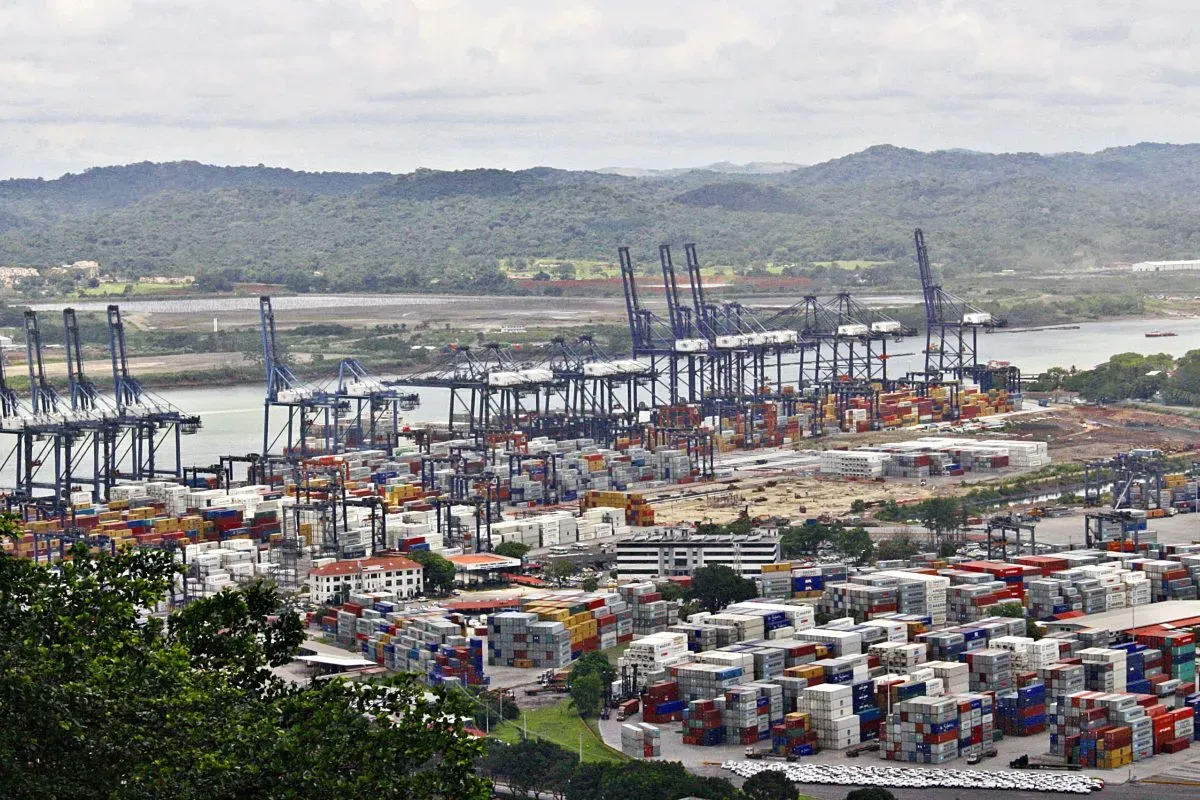
APM Terminals Panama confirmed its operations at the Pacific coast’s Balboa Port are stabilizing positively following a significant operational transition. The company executed parallel tasks this week focused on reception, loading, and technical tests to ensure service continuity with minimal impact on users and the national logistics chain. This effort aims to consolidate the operational handover and strengthen efficiency at the critical terminal.
Key advancements were reported across several operational areas, including full staff training and a major completion milestone in the labor substitution process. The company detailed these steps in a public update, emphasizing its commitment to maintaining the flow of goods through one of Panama’s most vital maritime gateways.

Detailed Operational Milestones Achieved
Personnel training reached full completion. Every employee has now been trained on the terminal’s new operating system, which the company says enables a smooth transition in managing data and cargo. Furthermore, the patron substitution process for workers concluded with 82 percent of collaborators successfully transitioned by the end of the workday.
General cargo services remain active. Officials highlighted the handling of the first dry bulk vessel carrying imported rice this Thursday. The terminal also continued its scheduled delivery of vehicles to their owners without interruption.
“The objective is to guarantee the operational stability of the port and ensure the fluidity of the national and international logistics chain,” a statement from APM Terminals Panama said. [Translated from Spanish]
For import cargo, gate tests were successfully conducted with merchandise destined for the local market. The company has scheduled the service of the first container vessel for the coming day. This follows successful technical tests on a second ship and 500 successful equipment moves executed on Wednesday.
Logistics Connectivity and Asset Management
Rail connectivity saw reinforcement with the dispatch of three additional trains, bolstering a key link in Panama’s intermodal system. Reception of export and empty containers continues on its regular schedule. For sensitive cargo, constant monitoring of refrigerated containers remains in place to protect perishable merchandise.
A crucial inventory of all terminal assets was completed under the supervision of the Panama Maritime Authority. Following that evaluation, the company activated the design and implementation phase for a comprehensive equipment and infrastructure maintenance plan. This step is considered vital for long-term operational reliability.
The broader context involves APM Terminals assuming operational control of the Balboa container terminal. Their focus remains on executing a seamless transition that avoids significant disruption to Panama’s maritime logistics, a sector critical to the national economy. The ongoing stabilization process is being watched closely by shipping lines and international traders who depend on the canal corridor.