


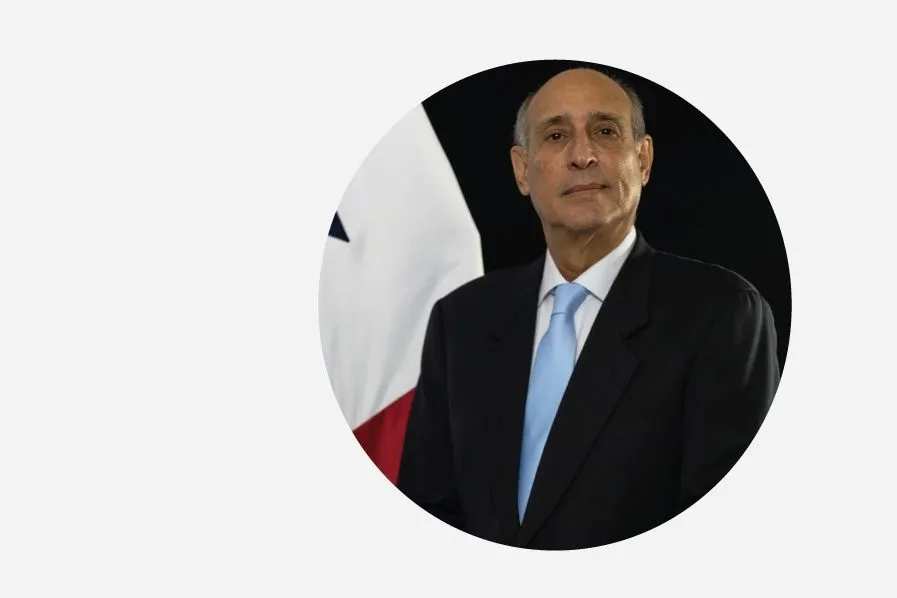
A legislative effort to compel the head of Panama’s maritime regulator to testify before lawmakers failed this week. The proposal to subpoena Luis Roquebert, administrator of the Panama Maritime Authority (AMP), did not secure the required votes during a session of the National Assembly of Panama.
The initiative specifically sought Roquebert’s testimony regarding the temporary concession terms for the strategic ports of Balboa and Cristobal. This follows a Supreme Court ruling that declared the contract with the Panama Ports Company unconstitutional. The vote took place in a chamber with numerous empty seats, reflecting the contentious nature of the issue.
Official records show the final tally reached only 23 votes in favor, with one against and no abstentions. That result fell far short of the 36 votes needed for approval. Lawmakers wanted the administrator to answer a formal questionnaire on the port concessions, a process that now remains in limbo.
Lawmakers Clash Over Oversight Role
Debate among legislators revealed a sharp divide on the Assembly’s investigative powers. Proponents argued that oversight is a fundamental duty, while opponents labeled the move a political distraction.
Yamireliz Chong, a deputy from the Vamos bloc, strongly defended the subpoena attempt. She stressed the Assembly’s responsibility to scrutinize major state contracts, especially after a high court intervention.
“This is an important issue where this Assembly must play its role. It must understand in depth what is happening because we were not placed here by appointment. We were placed here to represent an entire citizenry,” Chong stated. [Translated from Spanish]
In stark contrast, Deputy Luis Eduardo Camacho of the Realizando Metas party cast the sole dissenting vote. He argued that calling Roquebert during an operational crisis was counterproductive.
“But you are not going to remove one of the main actors in the middle of the crisis so that he can come to the Assembly to tell us what we all should already know. It is in the news. I know what happened,” Camacho said. [Translated from Spanish]
The failed vote leaves unanswered questions about the future management of the ports. The Panama Maritime Authority must now navigate the legal vacuum created by the invalidated contract without legislative interrogation.
Oversight Continues on Other Fronts
While the Roquebert subpoena failed, the Assembly continues to exercise its oversight function elsewhere. Lawmakers recently approved a separate citation for Social Development Minister Beatriz Carles.
Carles is slated to answer a forty-question questionnaire regarding shelters for children and adolescents. Deputy Alexandra Brenes noted the request was sent to the Assembly’s board on February 12, though a definitive hearing date remains unconfirmed. This action shows the asamblea nacional / national assembly is still actively pursuing accountability in other government sectors.
The contrasting outcomes highlight the political calculations behind legislative inquiries. Some issues generate consensus for investigation, while others, particularly those involving complex commercial agreements, face greater resistance.
For port operations, the immediate path forward is unclear. The temporary concession remains a stopgap measure, and the state must eventually define a permanent legal framework. The need to respond to the court’s ruling with a sustainable solution grows more urgent each day.
Port activity reportedly continues in the interim. Balboa port alone has logged hundreds of successful vessel movements recently and is preparing for new container ship arrivals. The commercial imperative to maintain operations appears to have temporarily outweighed the legislative drive for public testimony.