


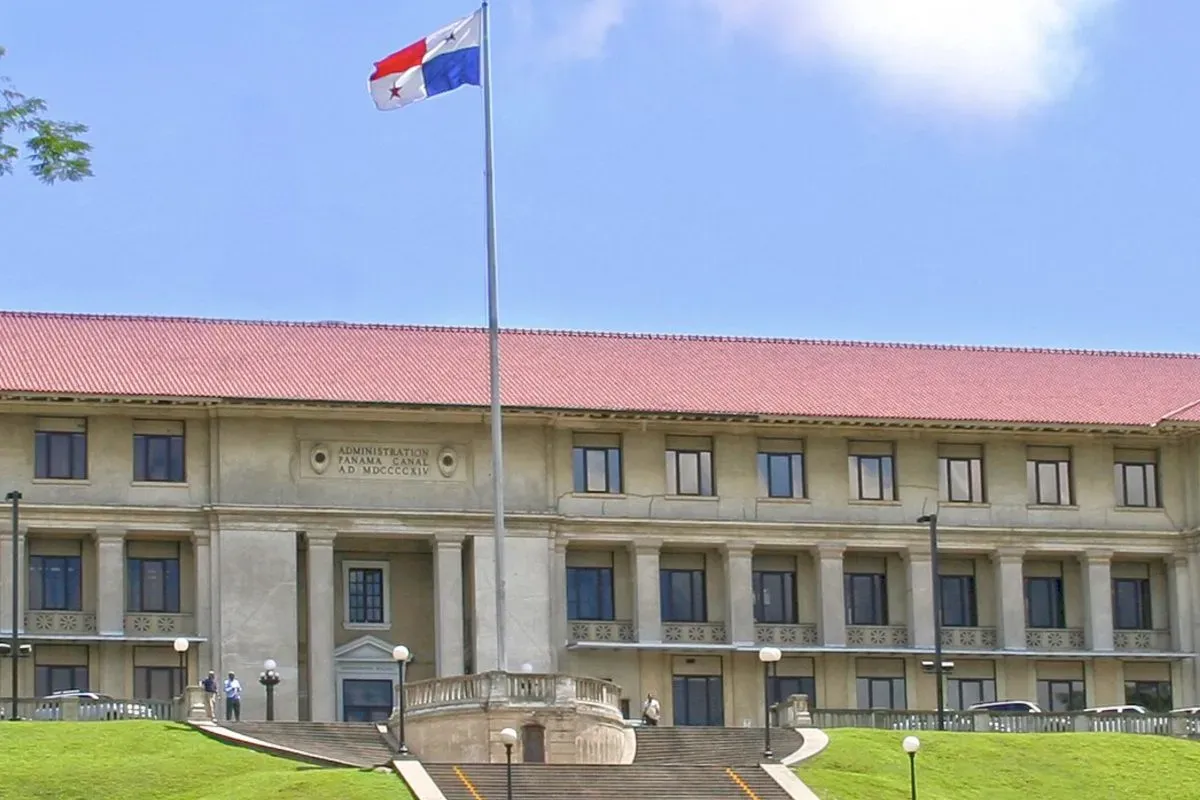
The Panama Canal Authority has launched urgent maintenance work at the Gatun Locks in Colon province. Crews are replacing six faulty valves that showed significant water leaks. The operation is taking place in one of the lock’s dry chambers.
Engineers discovered the problems during routine inspections. Divers found the valves had various degrees of damage and were allowing water to escape. The authority decided to replace all six units immediately rather than risk further water loss.
Wilfredo Yau, a rehabilitation engineer for the Panama Canal Authority, explained the scope of the project. “This year it was time to work on gates 33 and 34 of the Gatun lock, which are quite close to the lake. Those were already in the plan. When we removed the gates, they definitely needed work because they had a loose ball joint,” Yau said. [Translated from Spanish]
The team also detected unexpected issues with the valves. “When we did the physical inspection of the valves, we found six units that had some type, some degree of problem or water leaks,” Yau added. [Translated from Spanish]
Water Conservation Drives Emergency Valve Replacements
Water management is a top priority for the canal authority. Recent droughts have forced the waterway to reduce ship drafts and transit numbers. Every drop counts in maintaining operations.
“Since we have a commitment to care for water, we decided to change the six valves to make sure there won’t be any escape through there,” Yau stated. [Translated from Spanish]
The valves sit inside the lock walls. They play a critical role in regulating how chambers fill and empty during ship transit. A single faulty valve can waste thousands of gallons over time.
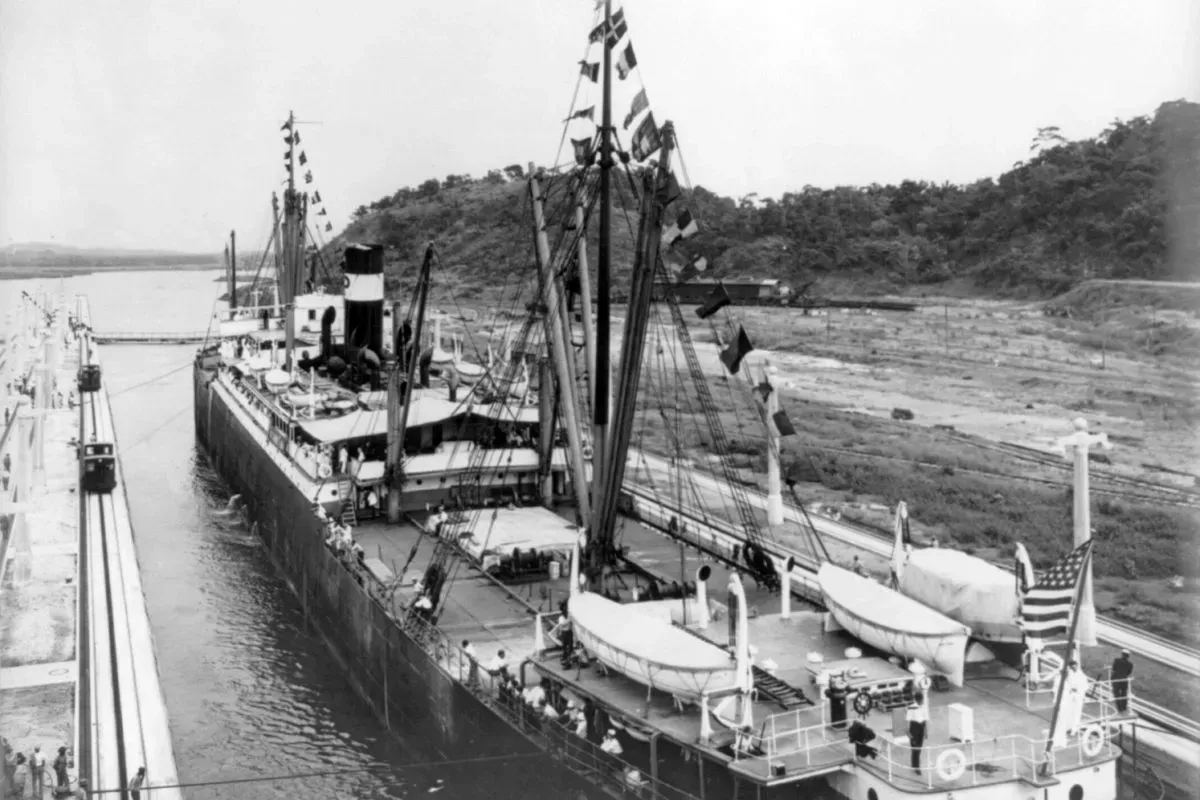
The Gatun Locks are a vital component of the Panama Canal system. They lift ships 85 feet from the Atlantic side to Gatun Lake. The locks have operated continuously since 1914.
Work Schedule and Operational Impact
Engineers plan to complete the dry chamber work in eight days. That’s remarkably fast for such complex infrastructure repairs. The preparation of replacement gates takes much longer.
Gate components sit at the Industrial Shipyards facility for about eight months before installation. Workers there perform extensive rehabilitation on the massive steel structures. The current project also includes rehab work on two lock gates.
All work is happening on the east lane of the locks. Ship traffic continues moving through the west lane without interruption. The canal remains fully operational for global shipping.
The Panama water management strategy has become increasingly important in recent years. Climate change has brought unpredictable rainfall patterns to the region. The canal authority has invested heavily in conservation measures.
These valve replacements represent a small but significant part of a larger master plan. The authority’s gate rehabilitation program spans many years. Each dry season brings opportunities for critical maintenance work.
Engineers inspect every component thoroughly when chambers are drained. They found the loose ball joint on gate 33 during this inspection cycle. That discovery led to the valve replacements as well.
The canal moves about 6 percent of global maritime trade annually. Every day of smooth operation matters for the world economy. The Panama Canal Authority has faced tough decisions about water usage in recent years.
Ship captains and logistics companies watch these maintenance projects closely. Any disruption to canal operations can ripple through global supply chains. So far, this project has caused zero delays.
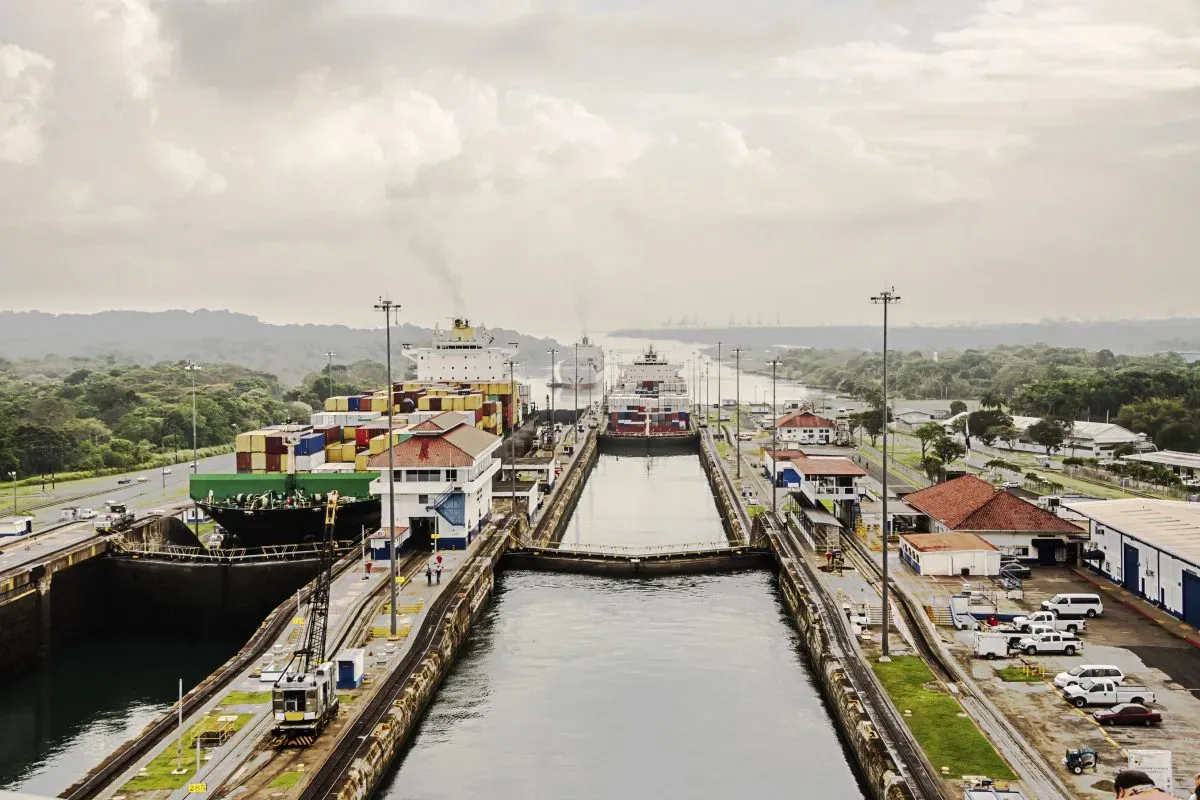
The Gatun Locks complex has three chambers. Each chamber measures 1,000 feet long and 110 feet wide. The locks use gravity to move water between chambers and the lake.
Yau’s team will test every valve before refilling the chamber. They want absolute certainty that no leaks remain. The water conservation mandate drives every decision they make.
Colon province residents have noticed increased activity at the locks. Heavy equipment and specialized crews have been working around the clock. The authority maintains strict security around all infrastructure work.