


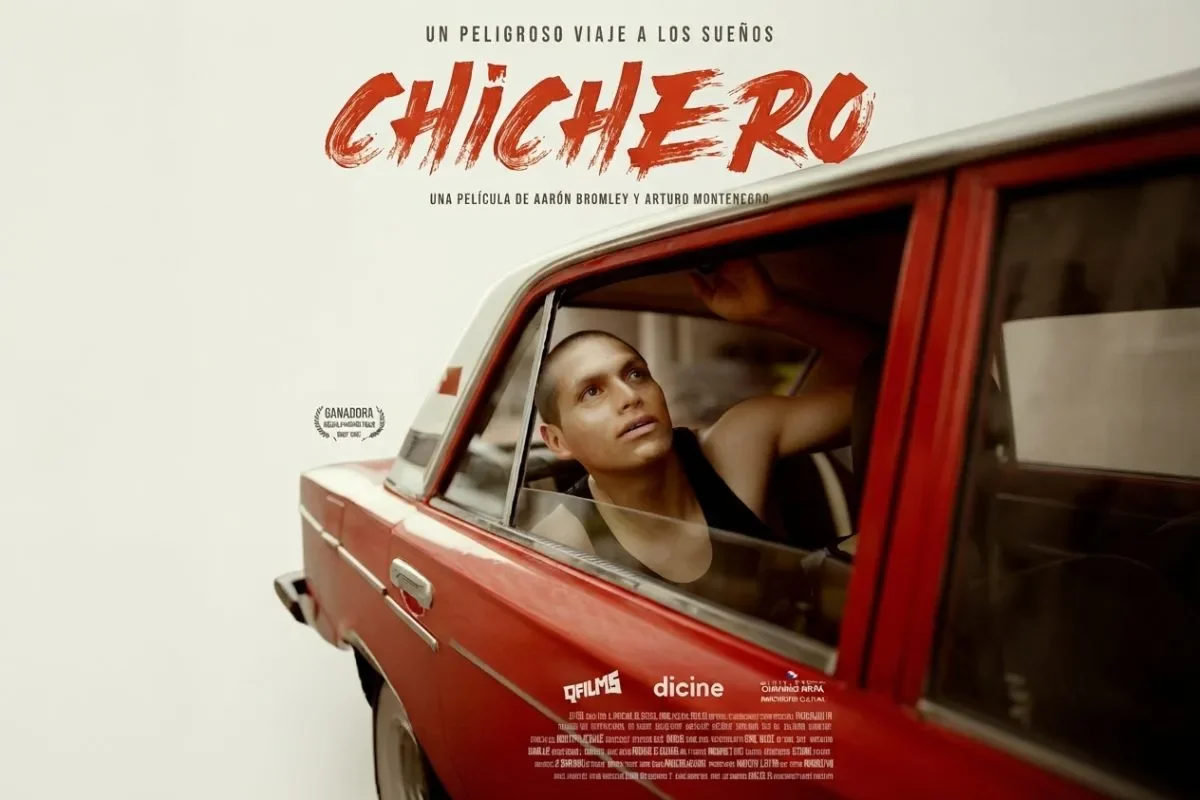
The Academy of Arts and Cinematographic Sciences of Panama has selected “Chichero” as the country’s official submission for the 2027 Goya Awards, and the same film will seek an Oscar nomination in the Best International Feature Film category. The dual recognition marks a decisive moment for Panamanian cinema, an industry that’s spent the past decade building credibility on the global stage. Directors Arturo Montenegro and Aarón Bromley led the production, which received financing through the competitive Fondo de Cine 2023 program. Industry observers noted that the selection reflects something larger than a single film, it validates a professionalization process that has been underway since 2014.

A Transnational Story of Migration and Survival
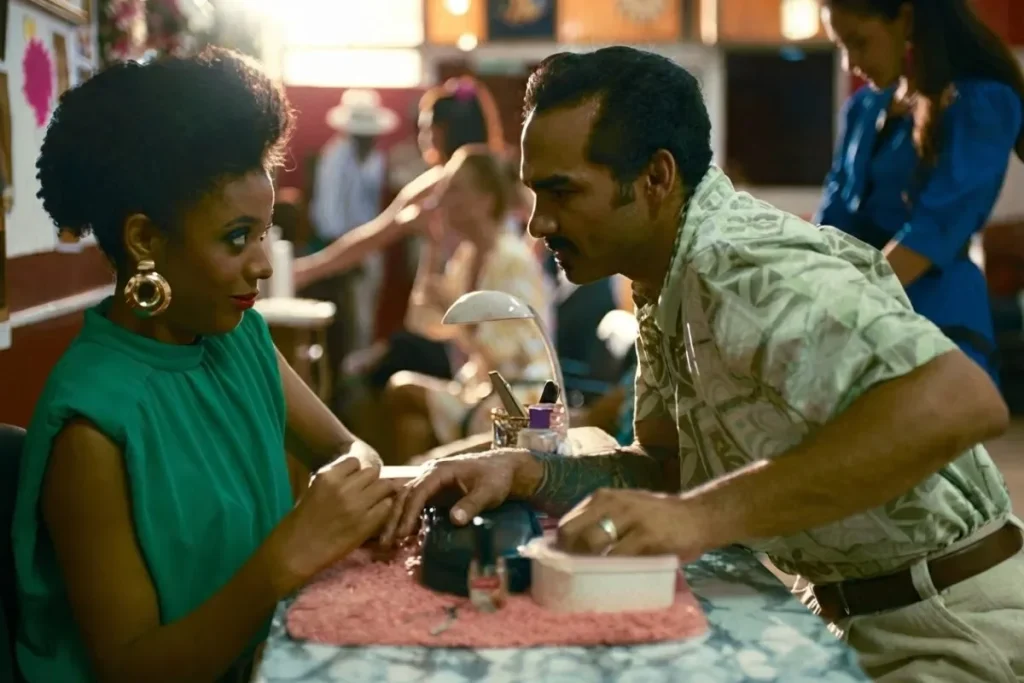
Shot across Panama and Peru, “Chichero” tells the story of Josué, a young Quechua man fleeing the internal armed conflict that devastated Peru in the 1980s. He finds his way to Panama, where he survives by selling chicha, a traditional refreshment, and empanadas on the streets. His journey takes an unexpected turn when he meets Gaby, a woman contending with her own vulnerabilities. Their connection becomes the emotional anchor of a narrative that explores migration, economic hardship, and the quiet resilience that sustains people through impossible circumstances.
The project stands out for its multifaceted approach to filmmaking. It unites creative talent from two nations, draws on a transnational story that links Latin American histories of political violence and forced displacement, and secures its budget through public competitive financing. The involvement of European distribution companies further signals that “Chichero” has the potential to travel far beyond its countries of origin. Montenegro and Bromley have constructed a film that speaks directly to contemporary debates about migration while remaining rooted in specific historical realities.
The Rise of Panamanian Cinema on the Global Stage
Panama had no formal presence in the Oscar race before 2014. That changed dramatically when Abner Benaim’s documentary “Invasión” became the first Panamanian submission for what was then known as Best Foreign Language Film at the Academy Awards. Since that pioneering moment, the country has put forward roughly a dozen films for consideration without yet securing a final nomination, but the arc of progress remains clear to anyone who’s watching the industry closely.
One standout achievement came with “Plaza Catedral,” a 2021 release that made the shortlist for Best International Feature Film at the 94th Academy Awards. That milestone proved Panamanian filmmakers could compete alongside established industries when their work combined thematic importance with bold formal choices. “Chichero” now carries forward that momentum, offering a human story about displacement and solidarity that resonates with global audiences in an era defined by mass migration and shifting borders.
Compared to the mature film ecosystems of Mexico, Argentina, and Brazil, Panamanian cinema still counts as relatively young. Yet the accelerated transformation over the last decade has been striking. National funding mechanisms, regional coproduction agreements, and a structured selection process have together created an environment where ambitious projects can actually get made and find their way to international markets.

Institutional Foundations and Public Funding
Central to this evolution has been the Academy of Arts and Cinematographic Sciences of Panama, a professional body that brings together industry practitioners and votes to determine which feature will represent the country in international competitions. The Academy has worked to build a selection process that weighs both artistic merit and thematic significance, helping Panamanian cinema earn legitimacy far beyond its domestic borders.
Equally critical has been the availability of national funding. The Fondo Cine panameño and targeted initiatives like the Fondo de Cine 2023 provide the financial backbone that allows filmmakers to pursue cross-border productions. This public support has stimulated regional coproductions and drawn attention from European distributors, creating a more sustainable foundation for local creators.