


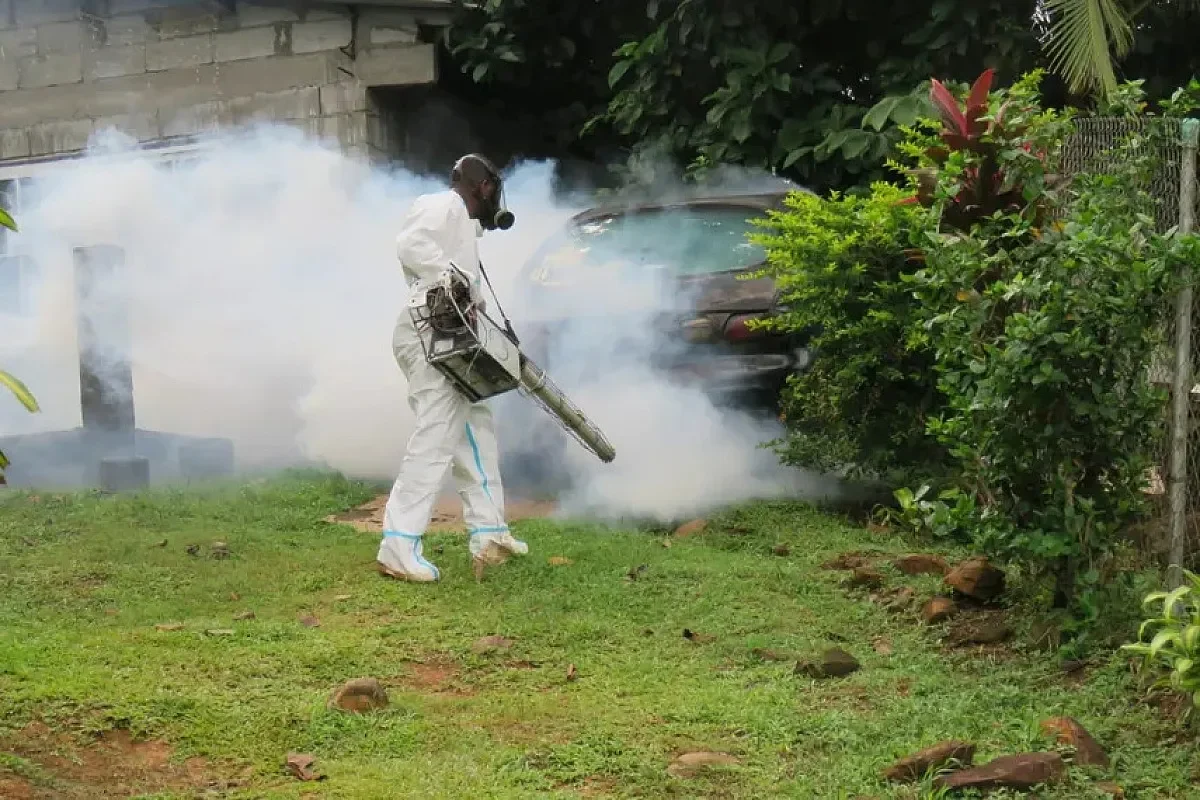
The Panama dengue decline has emerged as a defining public health story of 2026, with the Ministry of Health reporting a 35 percent reduction in infections compared to the same period last year. Through epidemiological week 32, covering August 9 to 15, the country had accumulated 6,616 dengue cases, down sharply from 10,193 infections recorded during the equivalent stretch of 2025.
Breaking down the figures further, health officials said 5,767 of this year’s cases presented without warning signs, meaning patients experienced classic symptoms like fever, headache, and body aches without indicators of severe progression. Another 810 individuals developed dengue with warning signs, and 39 cases were classified as severe dengue, the form most likely to require hospitalization and intensive care.
Panama Dengue Decline Coincides With Lower Disease Activity
The drop in dengue infections did not happen in isolation. Several other diseases under national epidemiological surveillance showed either minimal circulation or no new confirmed cases during week 32. Health authorities reported zero new infections of zika, chikungunya, Oropouche, hantavirus fever, and leptospirosis for that week. Panama has recorded a single zika case all year, along with four chikungunya infections, 19 Oropouche cases, 17 hantavirus cases, and 37 leptospirosis cases.
Malaria continues to be the most heavily reported vector-borne disease after dengue, accumulating 5,062 cases in 2026 so far. Leishmaniasis trails at 1,719 cases. The Ministry of Health also notified two new human infections of New World screwworm during the week, while the accumulated count of monkeypox, or Mpox, remained stable at six cases.
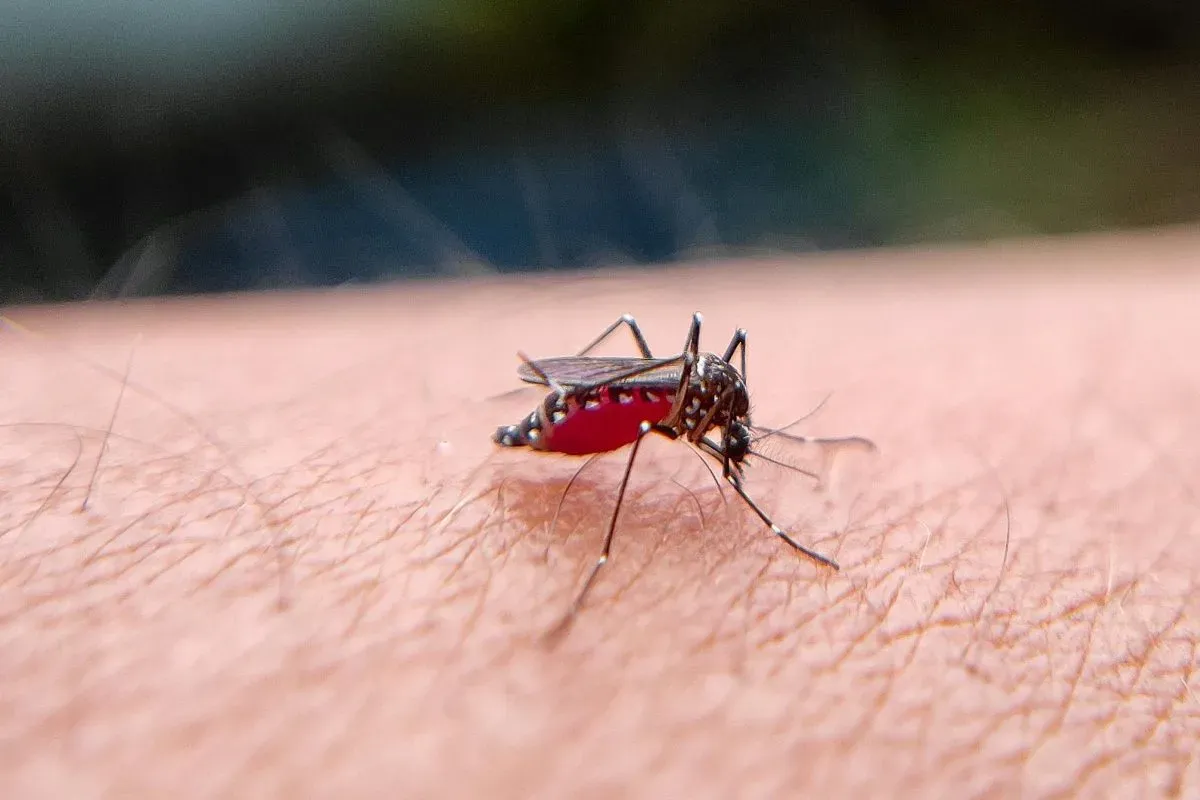
Understanding the regional context puts this improvement in perspective. Dengue is endemic throughout Central America, and transmission typically intensifies during the rainy season when standing water creates breeding grounds for the Aedes aegypti mosquito. A 35 percent year-over-year reduction suggests that vector control programs, community clean-up efforts, and public awareness campaigns may be yielding measurable results.
Respiratory Illnesses Drop While Vaccination Gaps Persist
Respiratory disease surveillance told a similarly encouraging story. Flu-like syndrome, which health authorities track as an early indicator of seasonal respiratory virus activity, registered 696 cases during week 32, down from 1,149 during the same week in 2025. Severe acute respiratory infections, a category encompassing bronchopneumonia and pneumonia, have accumulated 12,833 cases so far this year.
Influenza, But, revealed a troubling pattern beneath the surface. No new influenza deaths occurred during the week under review, leaving the annual total at 61 fatalities. But according to Ministry of Health data, 98.4 percent of the people who died from influenza during the current season had not been vaccinated against the virus. Most of those deaths involved adults over 65 years old and individuals with chronic health conditions or other risk factors.
That statistic carries significant weight for public health officials. The vast majority of influenza deaths occurred among people who could have been protected by a widely available vaccine. The gap between vaccine availability and actual uptake remains a key persistent challenges in Panama’s health system, particularly among older adults who face the highest risk of severe outcomes.
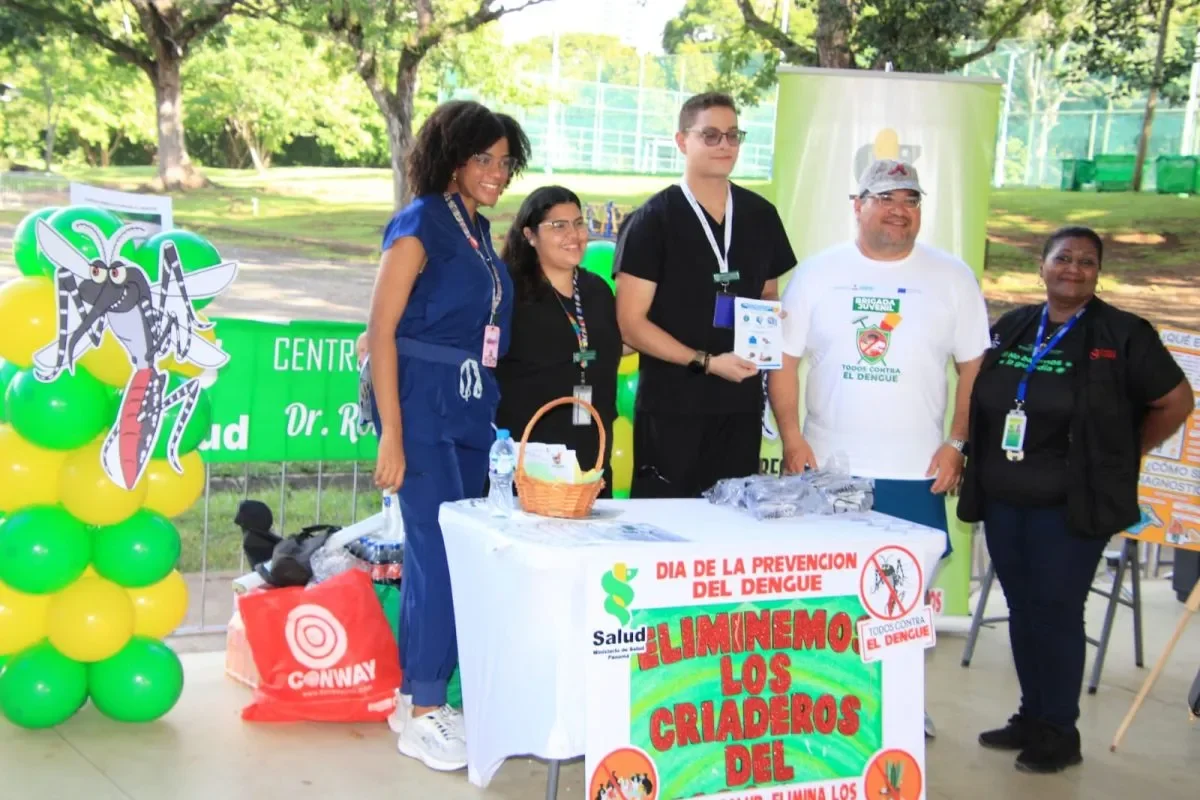
Community Prevention and Public Health Messaging Must Continue Despite Dengue Decline
Despite the broadly positive trends, the Ministry of Health has maintained a measured tone. Officials describe the public as the first line of defense against disease outbreaks and serious complications. As the ministry stated in its bulletin:
“The population remains the first ring of security to prevent diseases and complications” [Translated from Spanish]
The ministry’s recommendations focus on practical actions: keeping vaccination schedules current, visiting a health center promptly when symptoms appear, and reinforcing preventive measures at home and in public spaces. Children, older adults, and people with underlying medical conditions remain the priority groups for these messages.
Progress and persistent risk now sit side by side in Panama’s epidemiological picture. On one hand, fewer dengue cases and lower respiratory illness activity point to effective surveillance and prevention infrastructure. On the other, that nearly all influenza deaths involved unvaccinated individuals demonstrates that public health gains depend heavily on individual behavior and timely access to care.
What the Data Means for the Rest of 2026 In Panama
Looking ahead, health authorities will be watching closely to see whether the Panama dengue decline holds through the remainder of the rainy season, which typically runs through November. Sustaining the reduction will require continued investment in mosquito control, timely clinical management of suspected cases, and community participation in eliminating breeding sites. The relatively low numbers of other vector-borne diseases like zika and chikungunya are encouraging, but these pathogens remain present in the environment and can resurge under the right conditions.
In summary, the epidemiological data emerging from Panama in mid-2026 tells a story of measurable but fragile progress. The 35 percent drop in dengue cases stands as the headline achievement, reinforced by declines in respiratory illnesses and minimal activity from other vector-borne pathogens. Yet the influenza vaccination gap serves as a sobering counterpoint. The tools to prevent severe disease already exist; the challenge is ensuring that the people who need them most actually receive them. That responsibility falls not just on health authorities but on families, communities, and individuals across the country.