


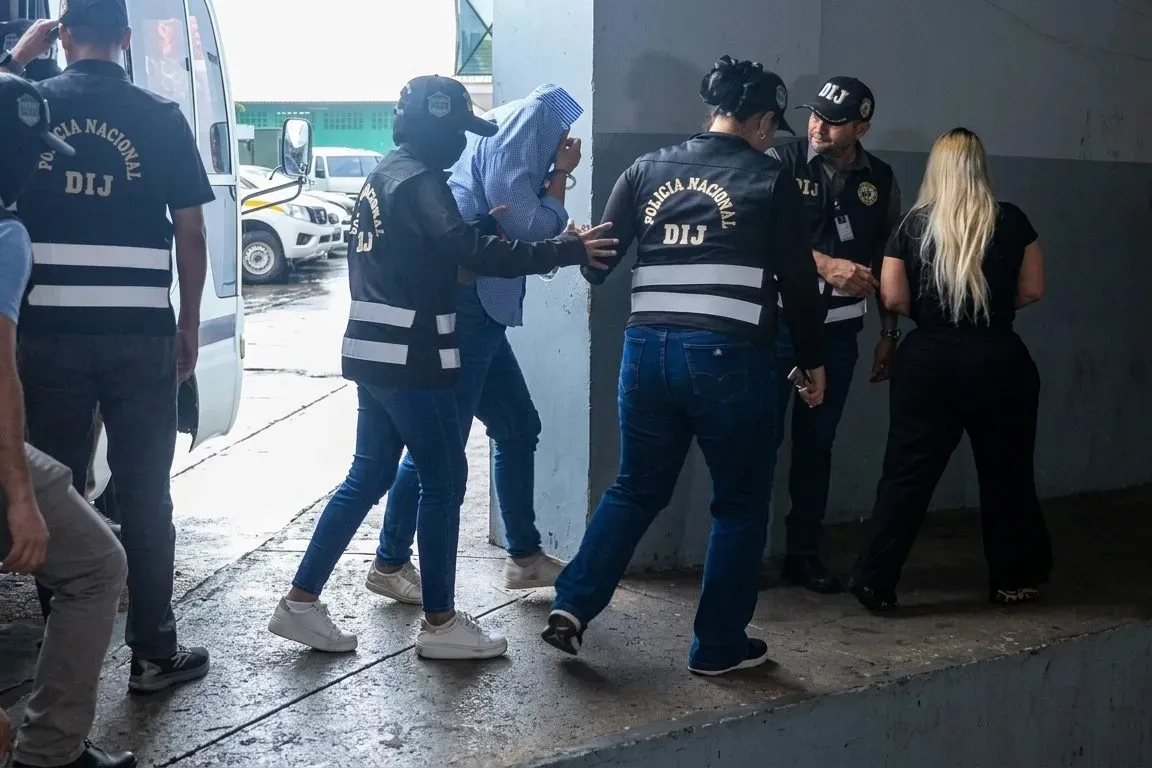
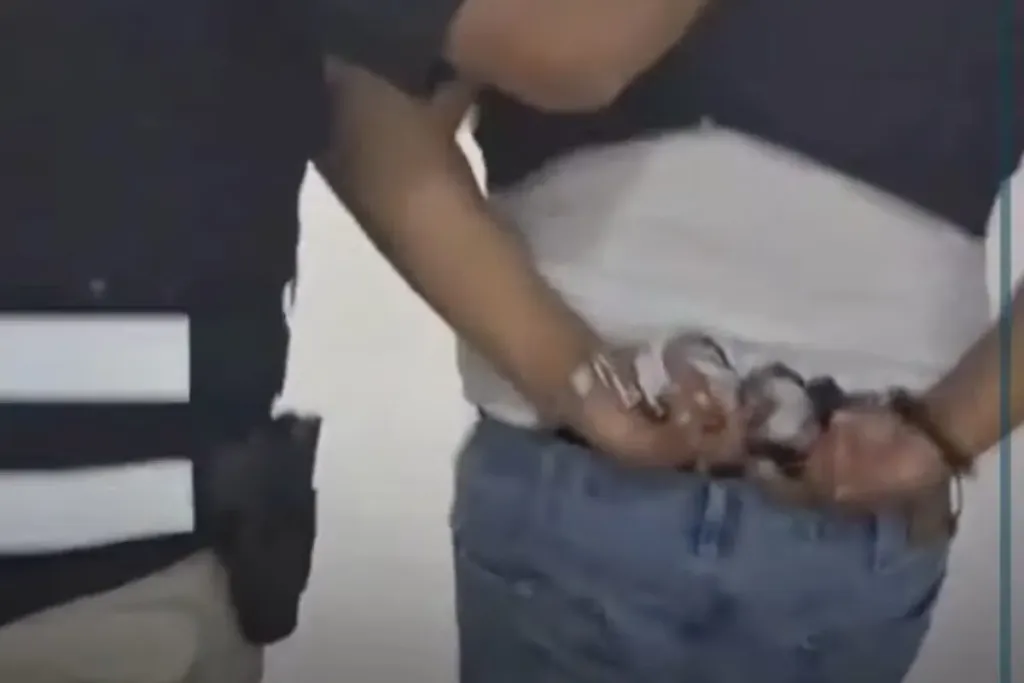
The arrest of a primary suspect in a massive Panama tax fraud scheme has thrown a spotlight on a divisive legal strategy: allowing defendants in sprawling public corruption cases to negotiate reduced sentences in exchange for cooperation. As authorities dig deeper into an alleged multimillion-dollar rip-off of the country’s tax authority, known as the Pandora case, two former top justice officials are publicly clashing over whether such plea agreements strengthen the pursuit of justice or dangerously weaken it.
Unraveling the Alleged Scheme Against Tax Authorities
The investigation centers on a suspected criminal network that defrauded the Dirección General de Ingresos (DGI), Panama’s tax collection agency, by fabricating fake tax credits and siphoning public funds. Investigators believe the plot involved careful prior planning, repeated opportunities to execute the fraud, and significant gaps in institutional oversight. The complexity of the case has made it emblematic of the challenges Panama faces in tackling white-collar crime, where layers of complicity and weak internal controls allow theft to go undetected for years.
Recently, two individuals linked to the scheme reached agreements with prosecutors, accepting criminal responsibility in return for lighter punishment. While details of their cooperation remain confidential, the move has cracked open a door that could lead investigators to higher-ranking architects of the fraud. Nobody is exempt from a conviction under such deals, but the sentence reductions available under Panamanian law have drawn fierce criticism from those who argue that the public treasury is too precious to bargain over.
Plea Agreements Under Fire in Panama Tax Fraud Investigation
Ana Matilde Gómez, a former attorney general, defended the use of negotiated sentences in complex corruption probes. She noted that international practice shows how critical insider testimony can be when reconstructing hidden criminal structures.
“These are crimes where, generally, if someone who was inside the criminal organization or participated does not speak, it is very difficult to know the whole scheme and unravel the different aspects of the investigation. Often it serves to reach the top leaders of an organization,” Gómez said. [Translated from Spanish]
She pushed back against the idea that plea bargains let culprits walk free.
“It is necessary for the system to offer them something so that they contribute to reducing the time the investigation would take and to be able to reach the ringleaders. It is demonstrated that plea agreements are important, because people are accepting their responsibility. Nothing exempts them from a conviction, although they can receive the benefit of a reduction established by law,” Gómez added. [Translated from Spanish]
The Pandora case, she argued, is precisely the kind of labyrinthine investigation that needs cooperating witnesses to identify those who designed and benefited most from the scheme.
But Giovani Olmos, a former prosecutor, sharply rejected expanding this tool to high-profile episodes that bleed public coffers.
“Those serious organized crime offenses that affect the public treasury should be left out of this type of agreement, because they compromise the country’s future and affect the needs of the population,” Olmos stated. [Translated from Spanish]
He also questioned the rigor with which judges and prosecutors are approving such pacts, insisting that any reward for cooperation must remain strictly proportional to the damage done and the harm suffered by ordinary Panamanians.
Institutional Weaknesses and the Hunt for Masterminds
At the heart of the disagreement lies a broader anxiety about Panama’s institutional resilience. The Pandora investigation has already exposed how a mix of premeditation, poor auditing, and lack of real-time financial controls made the alleged fraud possible. For Gómez, the plea deals represent a practical shortcut through a system that otherwise might never catch the true power brokers. For Olmos, they risk becoming a get-out-of-jail card that fails to deter future plundering of state resources.
The outcome of this legal tug-of-war will likely shape public confidence in the ongoing Panama tax fraud probe. If collaborating defendants manage to lead authorities to top-tier suspects and the stolen money is largely recovered, the agreements may be vindicated. If the cases stall or the penalties are seen as laughably lenient, the controversy will fuel long-simmering frustration over impunity in financial crime. The court of public opinion is watching closely, and both sides know that the Pandora case could become a benchmark for how Panama handles the intersection of plea bargaining and grand corruption.
Ultimately, the debate is about more than legal tactics. It is a test of whether a justice system can simultaneously offer incentives for truth-telling and maintain the credibility needed to protect public patrimony. As prosecutors continue untangling the threads of the alleged Panama tax fraud, the choices they make about who gets a deal, and on what terms, will echo far beyond the courtroom walls.