


Panama is preparing to make history again on May 9, 2026. The country will participate in the Global Big Day, the world’s largest bird counting event. Organizers expect thousands of citizens to fan out across the nation with binoculars in hand.
The event is led globally by the Cornell Lab of Ornithology at Cornell University in the United States. Its purpose is to gather open data that supports bird protection and habitat conservation worldwide. Each country conducts a 24-hour count of all birds observed during that single day.
Panama holds a strategic position along the migration routes of hundreds of bird species crossing the continent. This makes the date especially significant for the nation. The 2026 Global Big Day coincides with World Migratory Bird Day, adding extra weight to the proceedings.
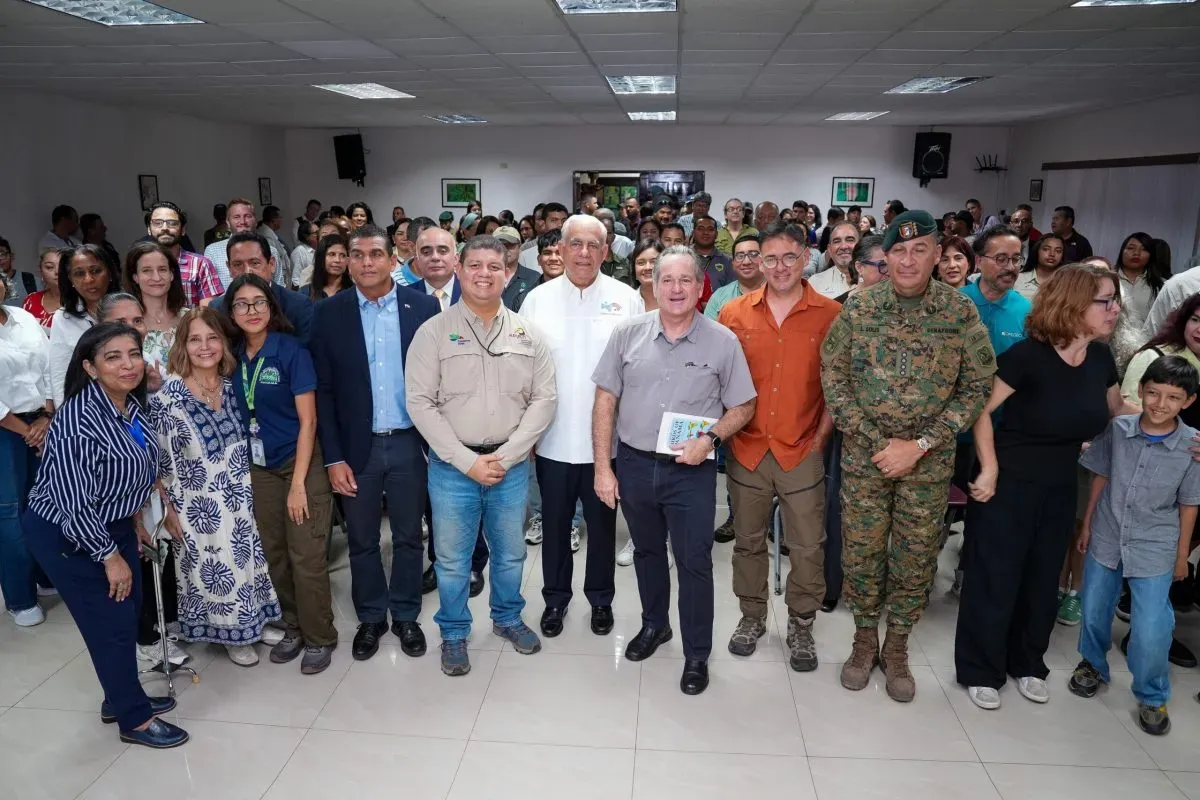
Bird watchers, scientists and communities unite
Bird observers, scientists, community organizations, NGOs, students, businesses and local authorities will all participate. They will document Panama’s rich birdlife and natural heritage. These volunteers generate vital information for conservation and scientific knowledge.
Last year Panama made history. In the Global Big Day 2025, the country recorded 771 bird species in just 24 hours. That set a new national record. Participants also submitted 4,563 checklists to the eBird platform. This gave Panama the largest increase in checklists worldwide.
Panama ranked seventh globally in total species recorded. It took first place in North and Central America. The country also led the world in species recorded relative to its population and territory size. According to eBird data, more than 3,500 people of all ages participated nationwide in 2025.

Minister calls for national participation
Environment Minister Juan Carlos Navarro emphasized the event’s importance. He framed it as a chance to showcase Panama’s natural wealth.
“Global Big Day is an opportunity to show the world the enormous natural potential of Panama and the ability of Panamanians to unite around biodiversity,” Navarro said. [Translated from Spanish]
“This coming May 9 we have the opportunity to surpass our own record and continue positioning the country among the world’s leaders in bird diversity,” he added. [Translated from Spanish]
Navarro explained that the Ministry of Environment of Panama will support organized groups through its regional offices. Community-based organizations, environmental groups, schools and interested communities can all join the national effort. He called it one of the best ways to explore Panama’s fields, mountains and ecosystems with family.
“I invite every family, every citizen, student and community to participate. It doesn’t matter if it’s in a protected area or from home. Every observation counts and every person can be part of this national achievement,” Navarro said. [Translated from Spanish]
Audubon president highlights unprecedented participation
Jan Axel Cubilla, president of the Audubon Panama Society, described last year’s turnout as unprecedented. He noted the broad societal engagement and institutional support.
“Never before for a bird watching event was there so much participation and enthusiasm at all levels of society, nor so much institutional and state support,” Cubilla said. [Translated from Spanish]
Cubilla called for unity around a single purpose this year. He wants more people to join and visit even the most remote areas of the country in search of its feathered jewels. He argued this proves Panama remains one of the world’s best bird watching destinations.
“To everyone listening, watching and reading us, we need you. This type of activity boosts local and foreign tourism, science and the love for conserving nature, the birds and the sites that shelter them,” Cubilla emphasized. [Translated from Spanish]
Conservation leader stresses habitat protection
Adrián Benedetti, executive director of the National Association for the Conservation of Nature (ANCON), described this moment as key for uniting people around nature. He stressed Panama’s critical role in migratory bird routes and species conservation.
“Panama plays a key role in the transit of migratory birds and in the conservation of species. That commitment depends on concrete actions: effective management of protected areas, habitat restoration and reducing pressures on our ecosystems,” Benedetti said. [Translated from Spanish]
“Our wetlands and mangroves are essential for many birds. They function as refuge, feeding and resting areas along their routes. Protecting them also protects the health of our coasts and the country’s resilience,” he added. [Translated from Spanish]
Digital tools make participation simple
The event relies on free digital tools like eBird for recording species observations. The Merlin Bird ID app helps identify birds by their songs or physical characteristics. Participation is straightforward. People can watch birds in protected areas, municipal parks, rural communities or even from their patio, balcony or window.
Every record provides information about species distribution and abundance across the country. The data feeds into global conservation efforts and scientific research.
Tourism authority sees economic opportunity
Jorge Correa, deputy general administrator of the Tourism Authority (ATP), framed the event as a driver for ecotourism. He linked it to the national campaign “Tripea lo tuyo” which promotes domestic travel.
“This initiative transcends borders, consolidating itself as a key engine for promoting ecotourism worldwide as well as domestic tourism. It aligns with our national campaign,” Correa said. [Translated from Spanish]
“Global Big Day is not only an opportunity to highlight the extraordinary bird biodiversity that Panama shelters. Every observation, every record, represents an opportunity to discover new destinations, generating economic movement in rural and urban areas,” he added. [Translated from Spanish]
The ATP will make its visitor centers available for training sessions. Tourism sector entities and host community members will learn how to report observations effectively. The goal is to have everyone prepared for the big day.
Panama’s previous record of 771 species sets a high bar. But organizers believe the nation can surpass it. With thousands of citizens ready to scan forests, wetlands and backyards, May 9 promises to be a landmark day for Panamanian bird conservation and national pride.