


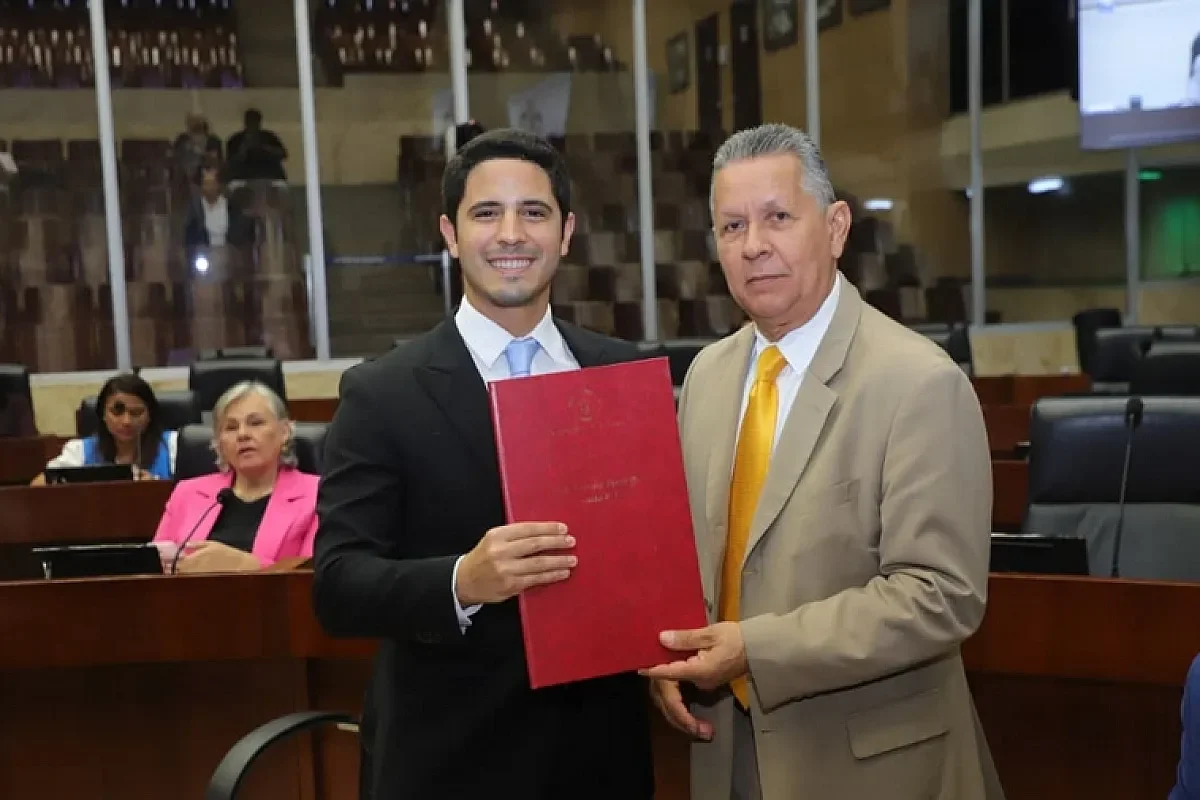
Living with Type 1 diabetes in Panama has meant facing a financial wall. Patients have routinely been denied life insurance policies and bank loans simply because of their diagnosis. A new legislative proposal aims to tear that wall down. Deputy José Pérez Barboni introduced a bill on July 17, 2026, that would fundamentally change how insurers evaluate people with Type 1 diabetes (DT1).
📑 Table of Contents
The core idea is simple. A diabetes diagnosis alone cannot be the sole reason for an outright denial of coverage. This applies to standard life insurance as well as debtor life insurance tied to bank credit. The proposal does not force insurance companies to take bad bets. Instead, it demands they look at the individual. An insurer must assess a person’s actual health, not just their medical label.
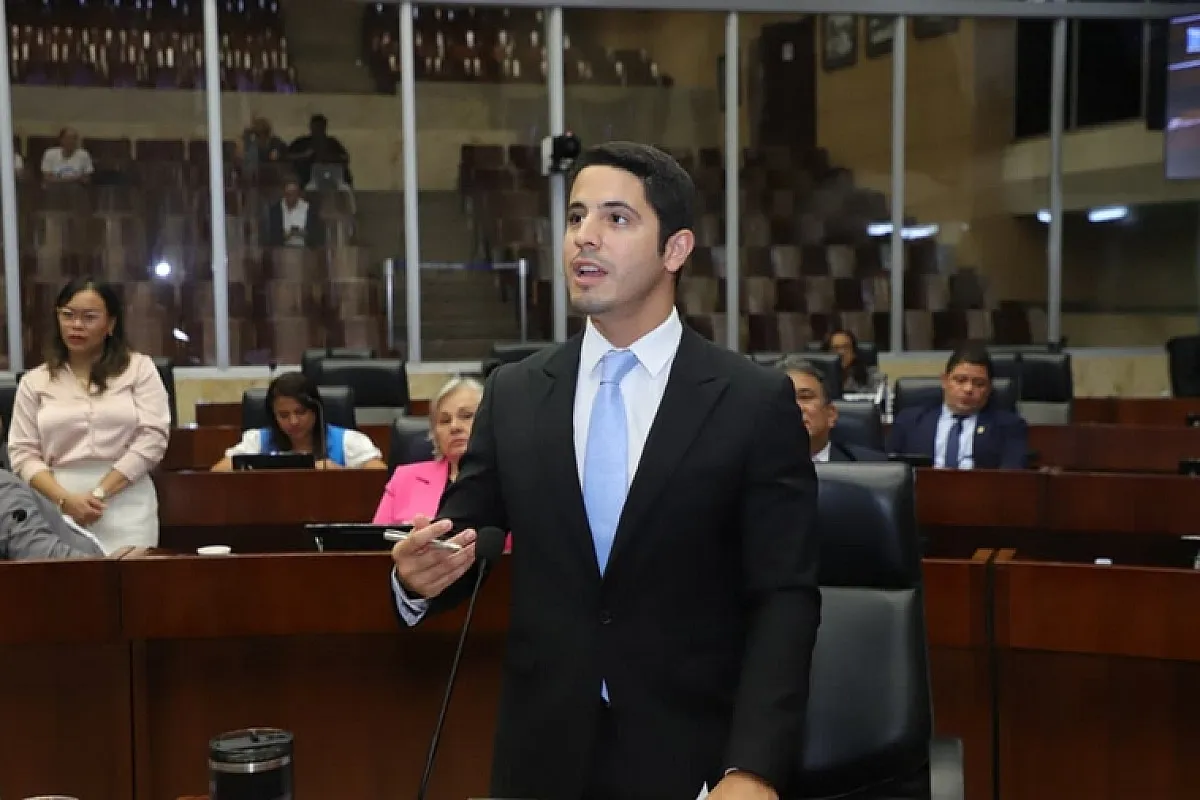
Barboni explained the reasoning during his presentation of the bill. He stated that the proposal takes a balanced approach. It does not make insurers cover risks that are actuarially impossible to sustain. But it does require them to stop rejecting applications based solely on a DT1 diagnosis. This is a significant shift for a country where automatic rejection has been the default practice.

Fair Premiums and the Burden of Proof
The bill does not ban higher premiums. It allows for differentiated rates. However, those rates must be technically justified. They also need approval from the Insurance and Reinsurance Superintendence of Panama. This creates a check on arbitrary pricing. It ensures that any extra cost is based on real data, not stereotypes.
One of the most critical changes involves who has to prove what. Currently, a patient must fight to show they are insurable. The bill flips this. It reverses the burden of proof in disputes between insurers and DT1 patients. The insurance company would have to demonstrate that the risk is uninsurable. The patient would no longer have to prove their own insurability. Barboni acknowledged the power imbalance. He said the bill recognizes the asymmetry of information and power between the two parties.
Constitutional Arguments and Stigma
Barboni framed the issue as a matter of constitutional rights. He argued that a person with DT1 did not choose their condition. They cannot change it through willpower. They face unjustified social stigma. This, he said, is exactly the same as other protected causes of discrimination. Denying someone life insurance based on this diagnosis therefore constitutes discrimination that the constitution prohibits.
This legal argument draws a direct line between health status and fundamental rights. It challenges the insurance industry to move beyond blanket exclusions. The proposal demands an honest, case-by-case evaluation. For years, Type 1 diabetes insurance discrimination Panama has been a silent barrier to financial security. This bill seeks to make that barrier illegal.
The legislation also touches on the technical side of underwriting. It explicitly allows for Actuarial risk assessment. Insurers can still price policies based on actual risk factors. They just cannot use a diagnosis as a blunt instrument for total exclusion. This distinction is crucial. It aims to protect patients without destroying the insurance market’s ability to function.
This is not the first time Panama has tackled complex legal reform. A recent PRELIMINARY BILL addressed defamation and deepfakes in the digital age. Now, the focus shifts to the physical and financial wellbeing of citizens living with a chronic condition. The success of this bill will depend on how the insurance industry responds. It will also depend on whether regulators can effectively oversee the new system of differentiated premiums. For the thousands of Panamanians living with Type 1 diabetes, this proposal represents a chance for equal treatment under the law. It is a chance to be seen as an individual, not just a diagnosis.