


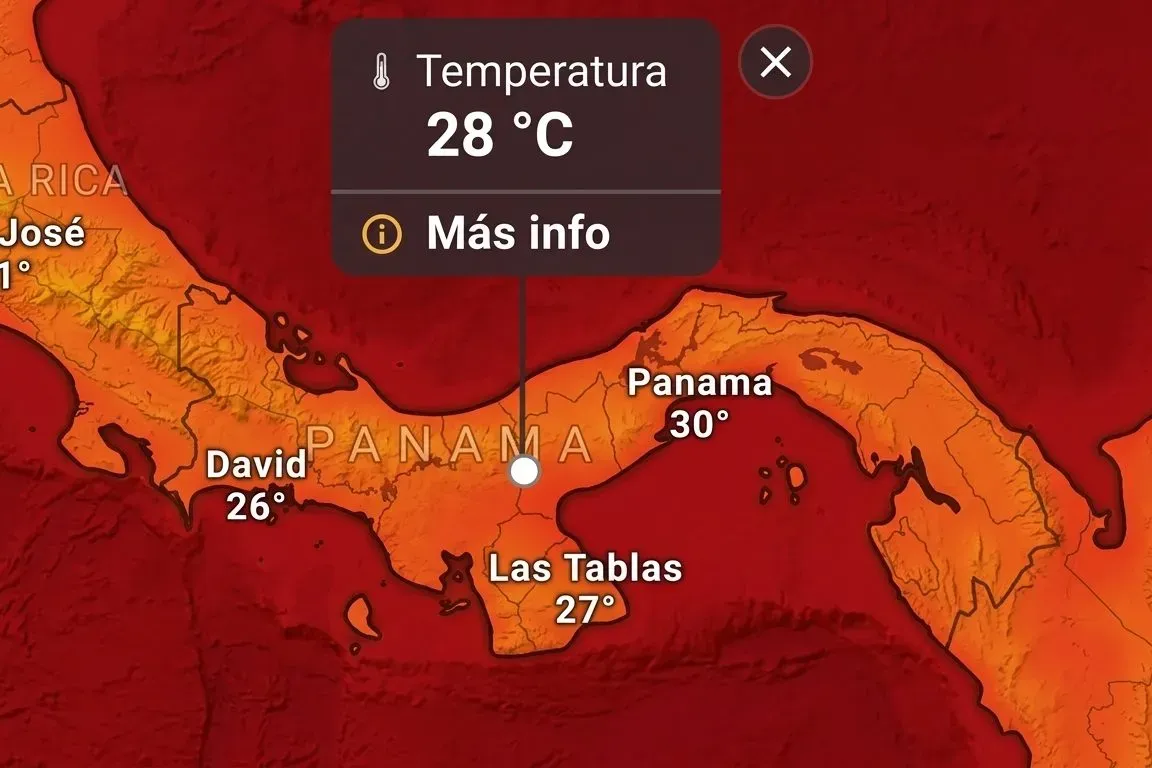
Panama’s Ministry of Health has released critical safety recommendations as extreme temperatures sweep across the nation. Officials warned that the period between 10:00 a.m. and 4:00 p.m. brings the highest thermal sensation and solar intensity.
The Ministry of Health Panama issued these guidelines to prevent severe health complications. These include cramps, dermatitis, heat exhaustion, and potentially fatal Heat stroke. Doctor Jorge Jesús Rodríguez, a family physician with the ministry, delivered the warnings during a press briefing this week.
“The most dangerous hours for sun exposure are between 10 in the morning and 4 in the afternoon,” Rodríguez said. “We urge citizens to avoid direct outdoor activities during this window. Stay in ventilated spaces, air-conditioned rooms, or shaded areas instead.” [Translated from Spanish]
Essential Protection Measures for Extreme Heat
For those who must go outside during peak hours, the ministry outlined strict personal care protocols. Sunscreen with a protection factor above 30 must be applied at least 30 minutes before sun exposure. Light cotton clothing in pastel or light colors helps reflect heat rather than absorb it.
Dark clothing retains body heat and should be avoided entirely. The doctor also recommended suspending all physical activity or intense exercise under direct sunlight during high-radiation hours. This applies to both recreational athletes and outdoor workers.
Hydration remains the single most critical factor. Rodríguez emphasized drinking water constantly, even without feeling thirsty. Inadequate hydration dramatically increases thermal sensation and puts the body at risk.
“Do not wait until you feel thirsty to drink water. By then, dehydration has already begun. Avoid sugary drinks, sodas, and alcohol completely. These beverages have a diuretic effect that accelerates fluid loss.” [Translated from Spanish]
Debunking Common Cooling Myths
Rodríguez addressed several misconceptions about heat management. Frequent showers help cool the body, but they must use water only. Soap strips the skin’s natural lipid layer, which accelerates dermal dehydration.
The Panama heat wave recommendations also include specific guidance for infants and young children. Parents should use clean cloths dampened with regular water to cool their children. The doctor issued a strict warning against applying alcohol or mentholated products to children’s skin.
These substances dry out the skin and create a rebound effect. This rebound actually increases internal heat retention after the initial cooling sensation fades. The practice can be dangerous for young children whose bodies regulate temperature less effectively.
Understanding Heat Stroke Risks
Heat stroke represents the most severe heat-related illness. Body temperature rises rapidly, the sweating mechanism fails, and the body cannot cool down. Without emergency treatment, heat stroke can cause permanent disability or death.
Symptoms include confusion, altered speech, nausea, hot red skin, and rapid pulse. Anyone showing these signs requires immediate medical attention. The ministry stressed that prevention is far more effective than treatment.
Panama typically experiences High Temperatures during this season, but current conditions exceed normal ranges. Climate patterns and reduced cloud cover have intensified solar radiation across the isthmus.
Health officials continue monitoring hospital reports for heat-related admissions. They urge all citizens to follow these guidelines until temperatures return to seasonal norms. The ministry will update recommendations if conditions worsen.