


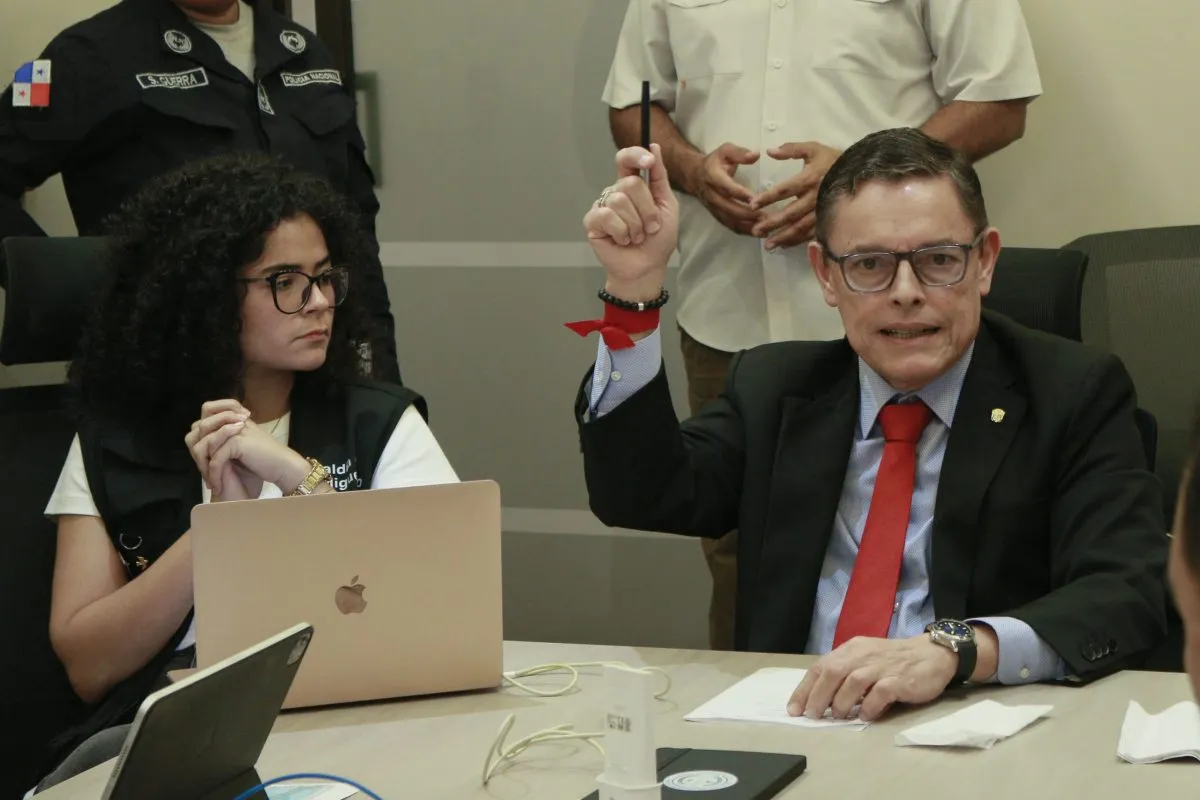
Rising Panama domestic violence statistics have become a central concern for the country’s security leadership, with officials now drawing a direct line between household conflicts and lethal outcomes. Speaking during a community gathering in the Azuero region, Security Minister Frank Ábrego warned that authorities are seeing a troubling pattern across multiple provinces, one that demands urgent prevention work alongside traditional law enforcement.
“Personal injuries are the prelude to homicide” [Translated from Spanish]
Ábrego delivered the assessment before an audience of civil society leaders, municipal officials, and members of the Azuero Chamber of Commerce. His message was unambiguous: the escalation from domestic disputes to serious injury and ultimately to homicide is a well-documented trajectory that Panama can’t afford to ignore. The minister stressed that both domestic violence and personal injury cases remain persistently high, not just in Azuero but in other regions as well.
Panama Domestic Violence Prevention Reaches Schools and Communities
The Public Force has taken a proactive stance by embedding prevention programs directly into the nation’s schools. These initiatives teach students and families how to resolve disputes peacefully, targeting the kinds of neighbor and family conflicts that often precede criminal violence. Media campaigns reinforce these efforts, spreading awareness about conflict resolution techniques to broader audiences.
Ábrego characterized the domestic violence trend in stark terms during his Azuero remarks.
He said domestic violence “not just is increasing, but remains” [Translated from Spanish],
a phrase that underscores the frustration security officials feel about a problem that hasn’t responded to conventional approaches. The educational programs represent a shift toward addressing root causes rather than simply responding to incidents after they occur.
Curfew Results and Regional Security Deployment
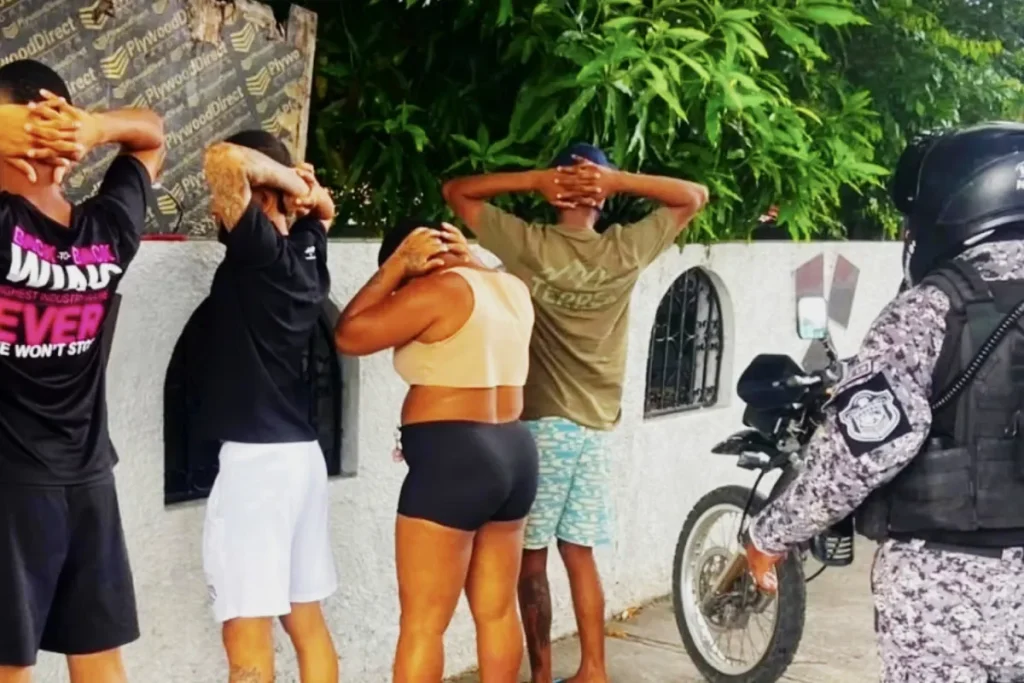
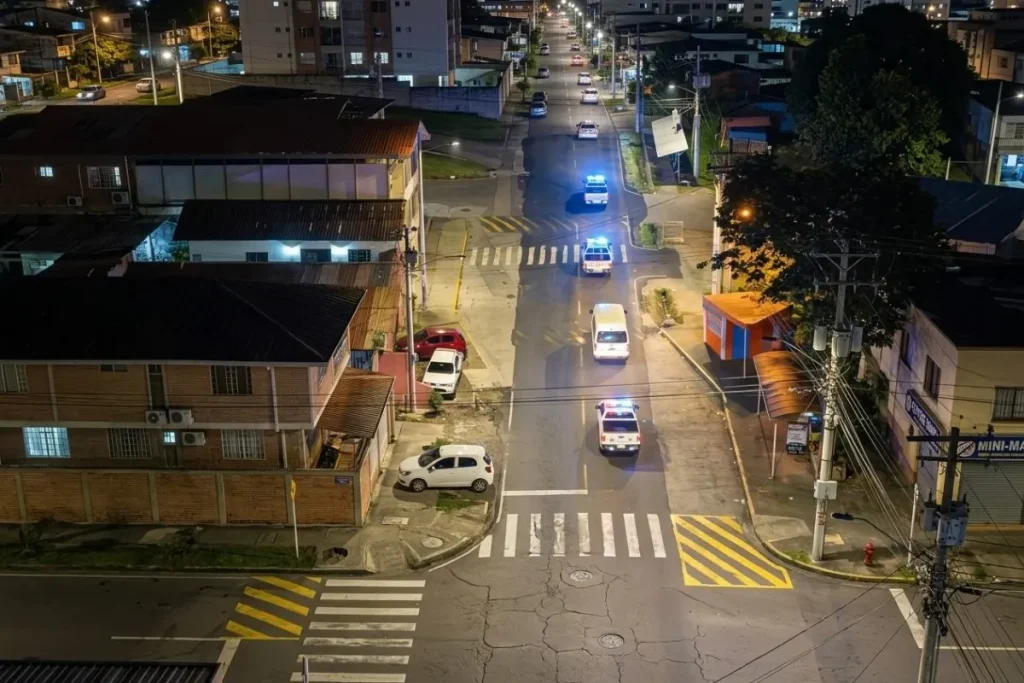
Beyond the prevention agenda, enforcement measures are showing measurable results. The curfew enacted in San Miguelito has coincided with a noticeable drop in criminal incidents over recent days, according to the minister. Roughly 400 additional Public Force members have been stationed in the district, supplementing the existing police presence and maintaining a visible security footprint throughout the area.
Colón presents a different but equally pressing challenge. That province has grappled with elevated violence levels, prompting officials to replicate the San Miguelito strategy there. Agents from other regions are being transferred to Colón to expand police coverage and deter criminal activity. Ábrego described the approach as part of a coordinated effort to bring the same kind of pressure to bear on crime hotspots across the country.
National Video Surveillance Network Moves Forward
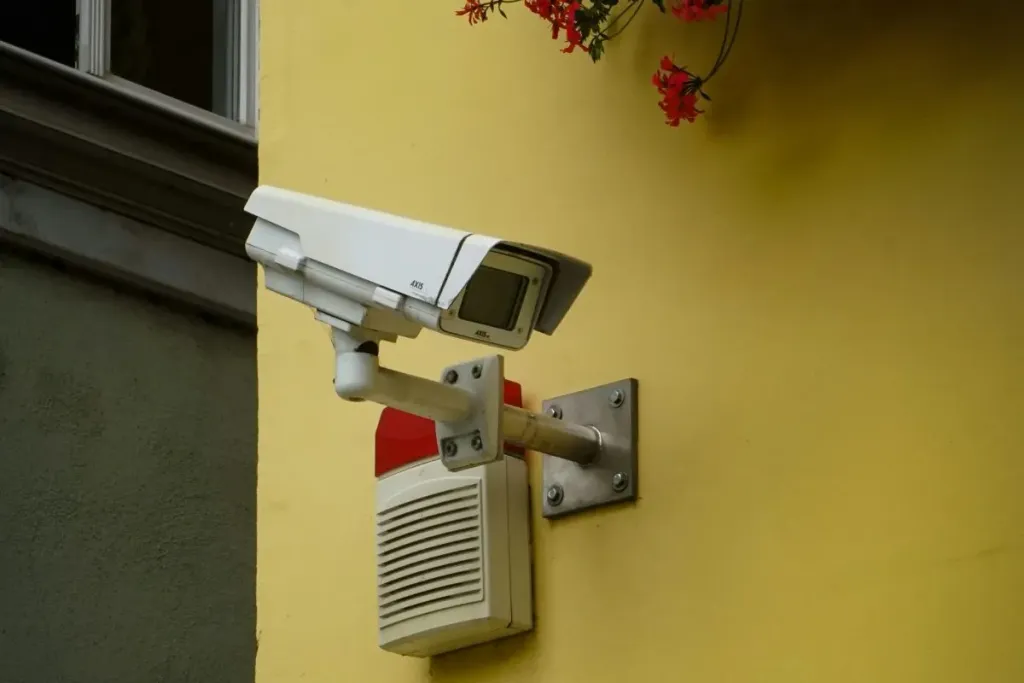
Technology will play an expanding role in Panama’s security infrastructure. The government is advancing a nationwide video surveillance initiative that would place cameras in cities and towns throughout the country. Ábrego confirmed that a bidding process could open soon, with approximately 16 domestic and international firms already signaling interest in participating. Cameras installed at strategic locations, including the busy Divisa junction, are already helping authorities track suspects and monitor movement patterns.
This surveillance expansion complements the ministry’s broader strategy of layered security. Prevention programs target the social roots of violence, curfews and deployments address immediate threats, and camera networks provide the monitoring capability needed to respond quickly when incidents unfold.
Budget Priorities and Pending Investigations
The ministry’s agenda hinges on securing adequate funding from the National Assembly. Ábrego said the initial budget request has been adjusted, and he remains hopeful that deputies on the Budget Commission will recognize the institution’s needs and approve the revised allocation for the coming year. The hearing presents a critical test of political support for the security strategy.
On the case of Jafeth González, who disappeared in Veraguas, the minister declined to offer details. The investigation sits with the Public Ministry and other competent authorities, he said, respecting the boundaries of an ongoing inquiry.
Ultimately, Panama’s security apparatus is attempting a comprehensive reset. From domestic violence prevention and school-based programs to curfew enforcement, video surveillance, and budgetary advocacy, the ministry is pushing on every available front. The coming months will reveal whether these combined efforts can bend the curve on violence that has frustrated communities and officials alike.