


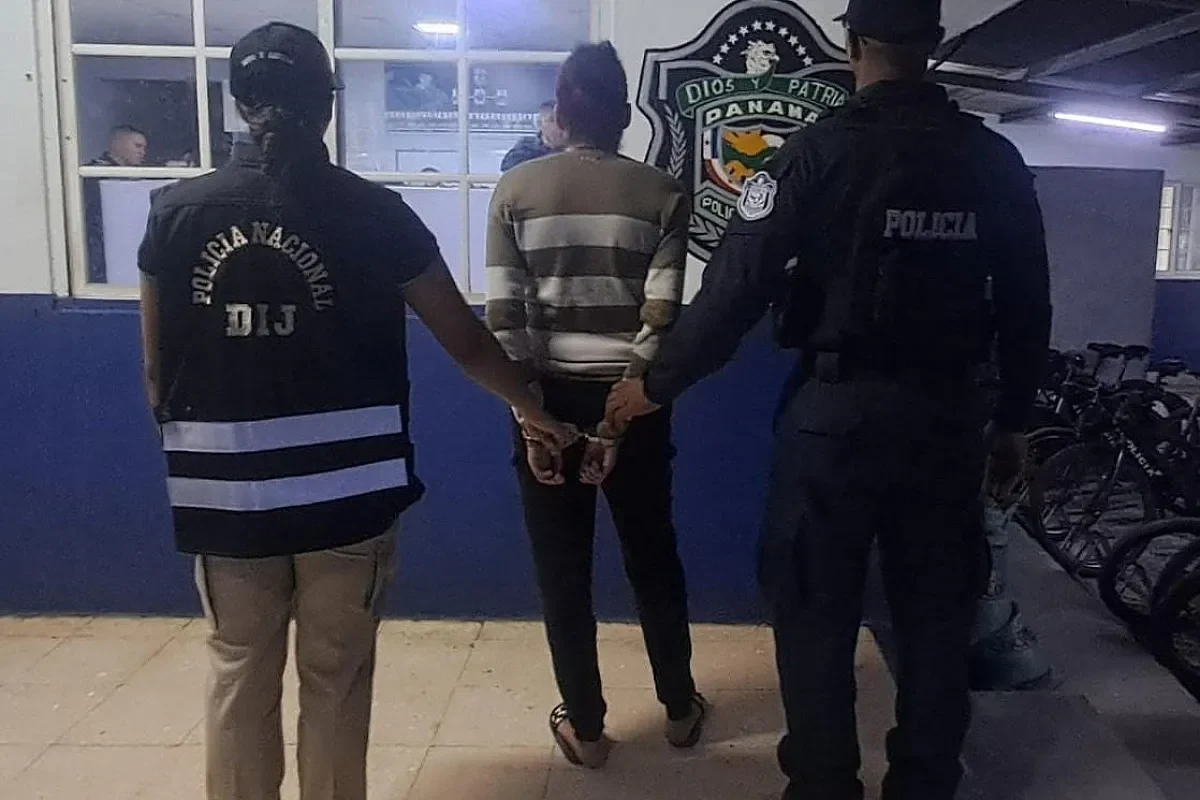
In a coordinated operation across four Panama districts, authorities have arrested eight individuals suspected of running an elaborate real estate scam that cost victims more than $177,000. Panama National Police and the Panama Public Ministry executed Operation Huella on Monday, targeting a criminal network that allegedly used social media to advertise properties they never owned.
The investigation, which began in March 2025, revealed a sophisticated scheme that exploited Panama’s competitive real estate market. Victims were lured through Facebook and other platforms advertising land and homes at attractive prices. Once interested buyers made contact, the suspects moved conversations to WhatsApp, where they provided fraudulent documents and requested upfront payments.
How the Scam Worked
The criminal group allegedly created fake listings for properties with supposed possessory rights, using counterfeit documents from the National Land Administration Authority. These forged papers appeared legitimate enough to convince victims to hand over cash deposits and down payments. The suspects never owned the properties they were selling.
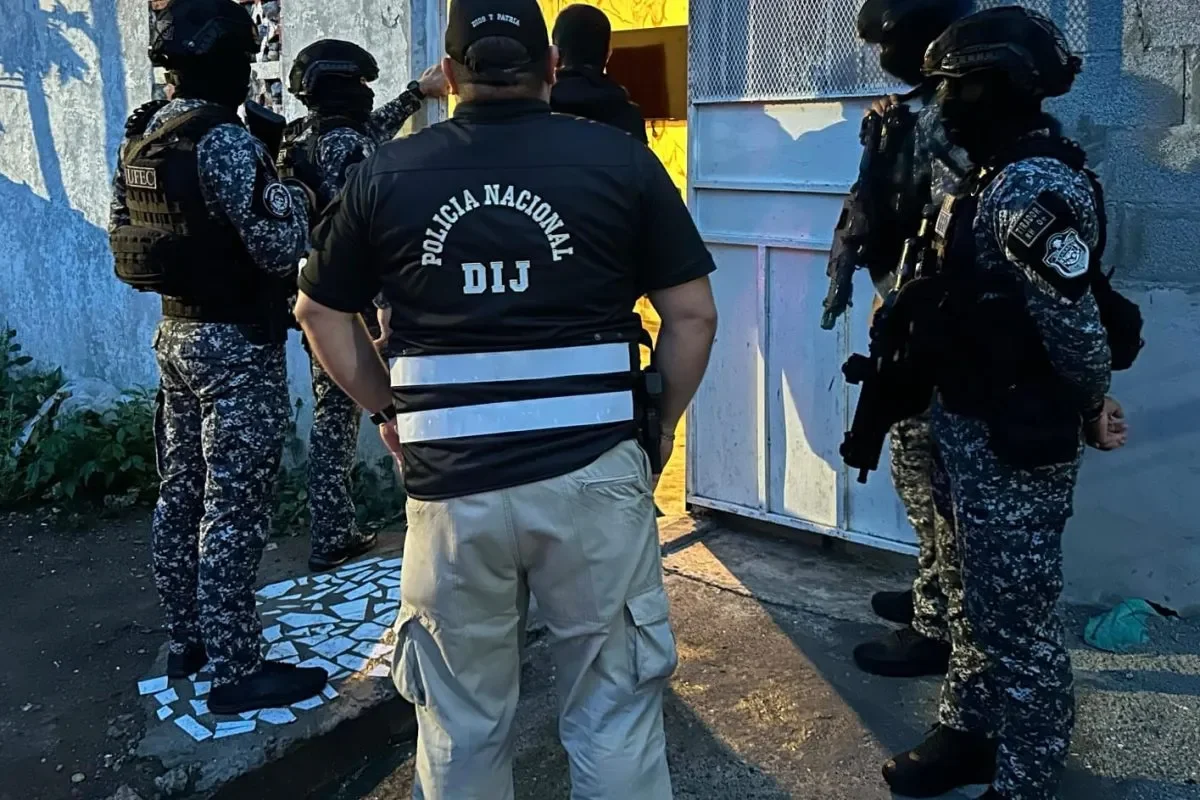
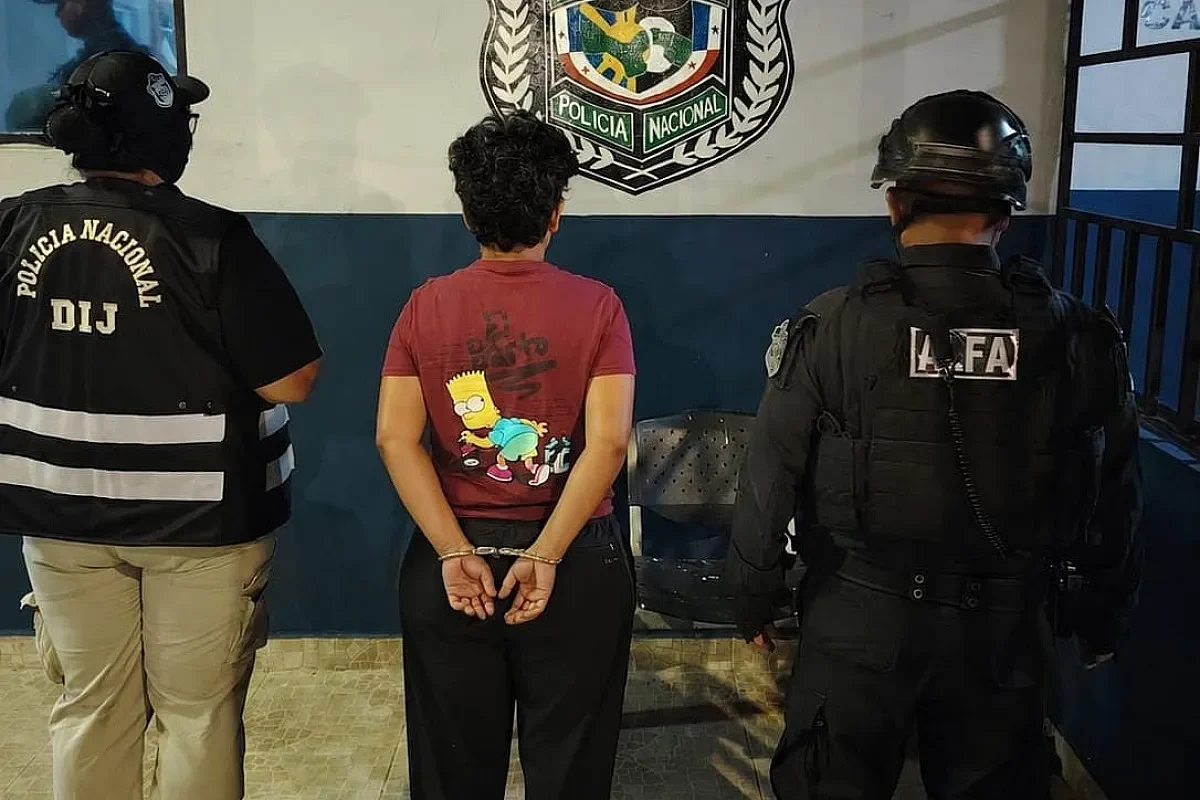
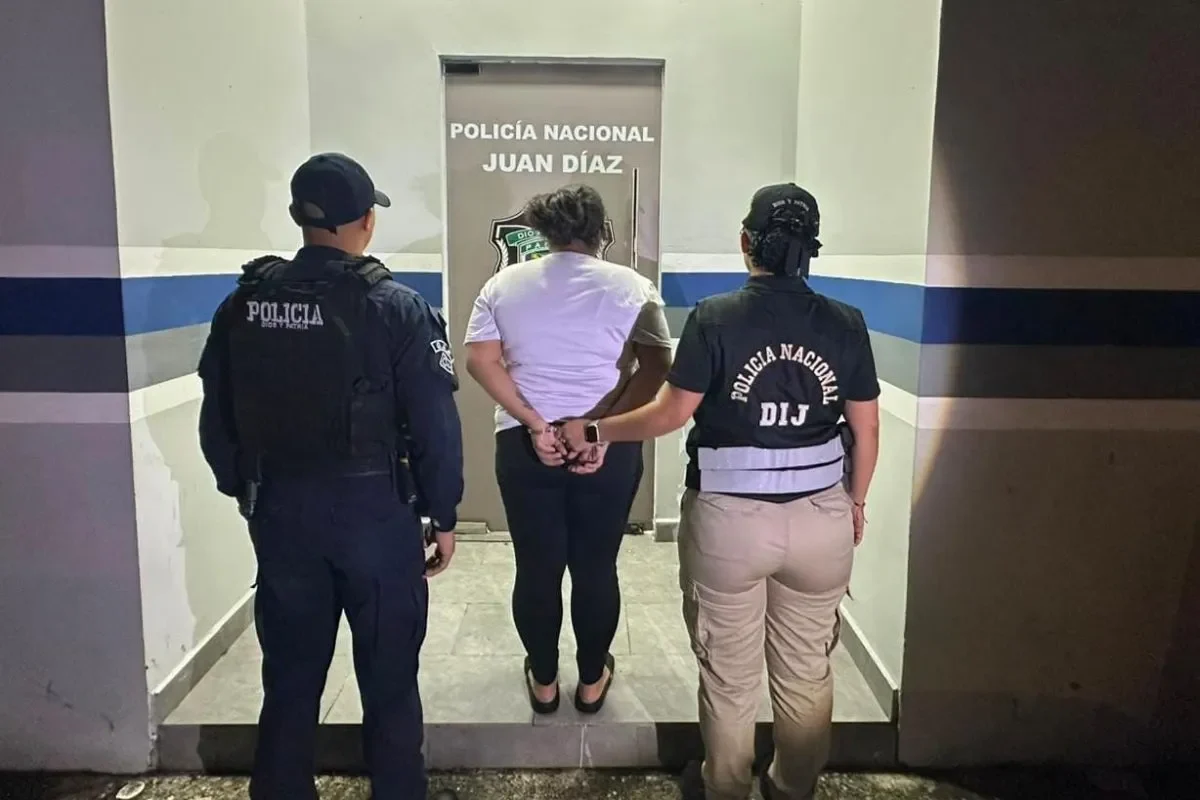
Police conducted raids in San Miguelito, Alcalde Diaz, Pedregal and Tanara. Among those arrested, six face charges of aggravated fraud in land sales, forgery and criminal association. Two additional suspects were apprehended on other fraud-related charges. The economic damage identified so far exceeds $177,000, though authorities suspect the actual figure could be higher as more victims come forward.
‘This group exploited people’s dream of owning property. They used social media to appear legitimate and built false trust with their victims’ [Translated from Spanish]
Real Estate Fraud on the Rise
Panama’s property market has long attracted both local buyers and international investors. The country’s growing economy and strategic location make real estate a hot commodity. But this same demand creates opportunities for bad actors. The The National Police have been stepping up financial crime investigations as digital platforms become hunting grounds for scammers.
What makes this case particularly troubling is the method. The suspects didn’t just post fake ads. They created entire paper trails, complete with forged land titles and ownership documents. They knew exactly how to manipulate the system. They targeted people who might not have the resources to verify land records before making a payment.
Authorities have not released the names of those arrested, but they confirmed that all suspects and evidence have been transferred to judicial authorities for processing. The operation sends a clear message about the consequences of real estate fraud, but it also raises questions about how many similar schemes remain undetected.
Protecting Yourself From Property Scams
Real estate transactions require careful verification. Buyers should always check property records directly with the National Land Administration Authority before making any payments. Never rely solely on documents provided by a seller. Cross-reference ownership information and request to see the physical property before transferring money.
Be wary of deals that seem too good to be true. Scammers often list properties below market value to generate quick interest. They pressure victims to act fast, creating a false sense of urgency. Legitimate sellers don’t demand large upfront payments without proper contracts and legal representation.
Work with licensed real estate agents and attorneys who can verify the legitimacy of a transaction. If someone insists on handling everything through WhatsApp or social media, consider that a red flag. The Panama Public Ministry recommends reporting suspicious listings to authorities immediately.
The Operation Huella arrests demonstrate that law enforcement is actively pursuing these criminal networks. But prevention remains the best defense. As Panama’s real estate market continues to grow, both authorities and buyers must remain vigilant against those who would exploit it for personal gain.