


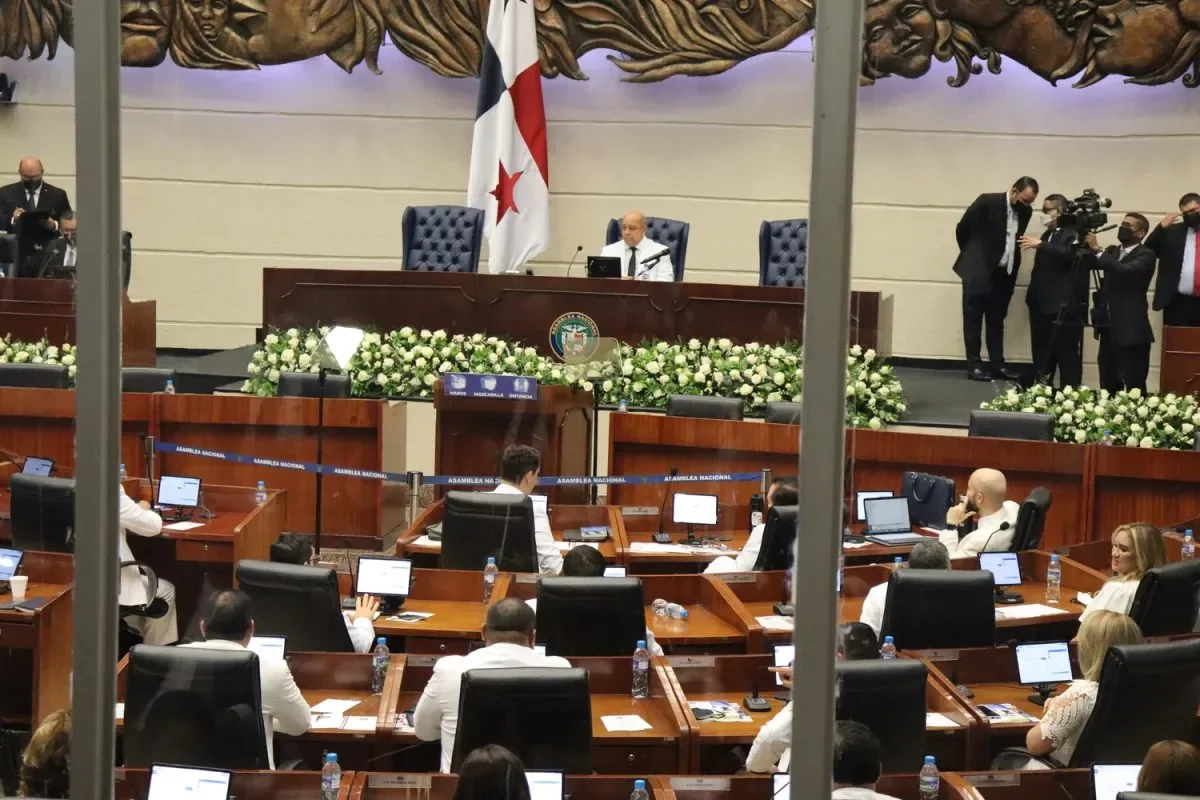
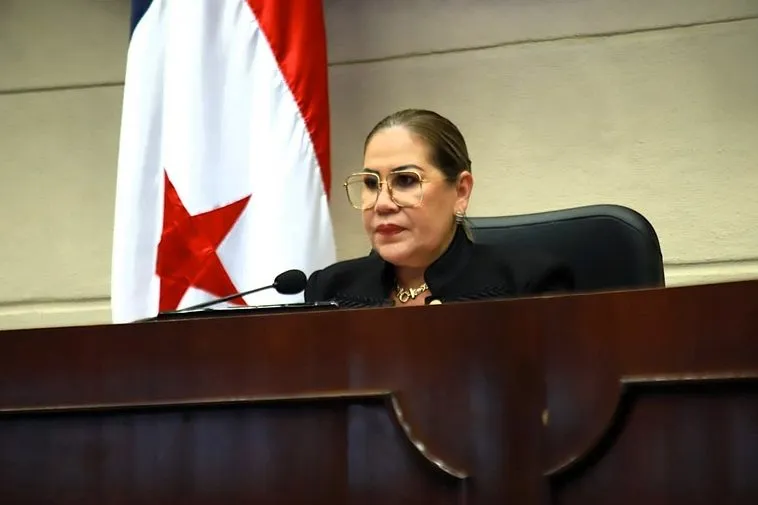
Inside Panama’s legislative palace, what began as a carefully orchestrated consensus has unraveled into a tense afternoon of closed-door negotiations. Shirley Castañeda, president of the National Assembly of Panama, emerged from an extended board meeting around 4:30 p.m. with a confident announcement. She declared that all political blocs had reached agreement on the formation of 15 permanent working committees. But within minutes of lawmakers returning to the chamber, that fragile accord began to crack.
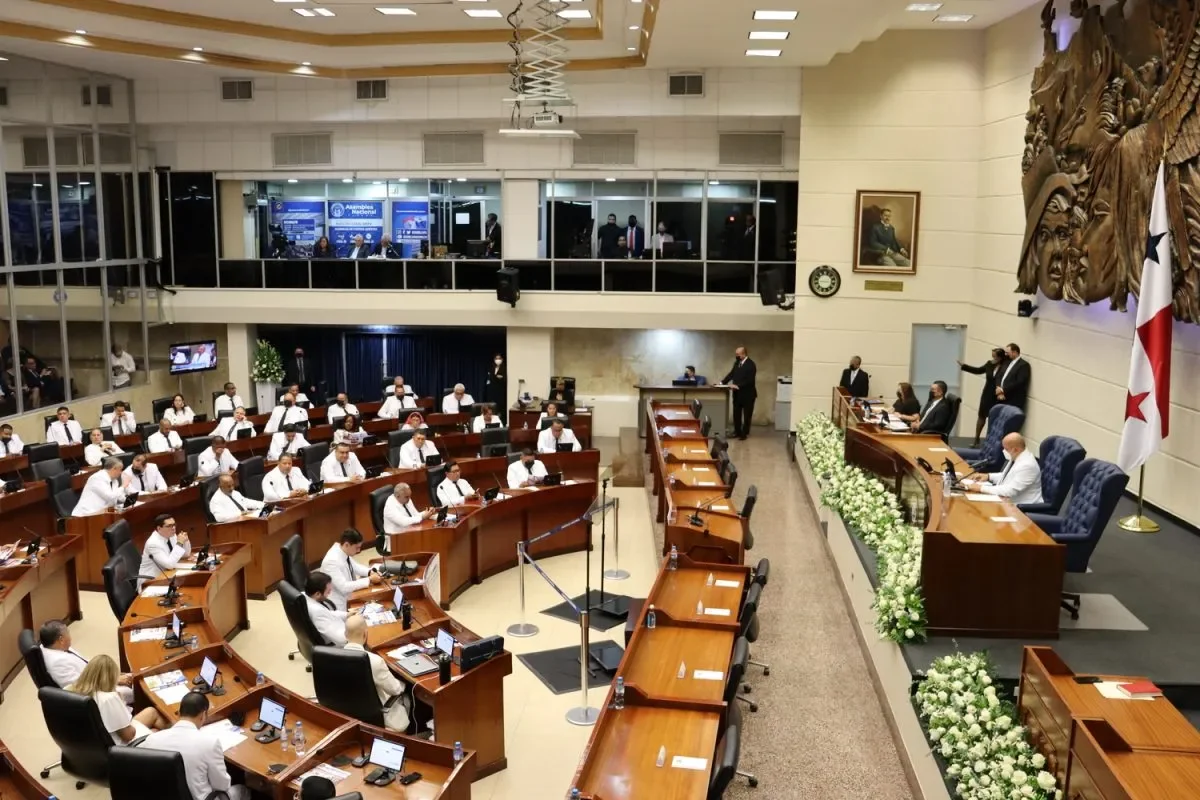
Some deputies, according to legislative sources, expressed dissatisfaction with their assigned committees. The discontent forced Castañeda back into negotiations, this time with the lists of committee assignments literally in hand. The scheduled plenary session, originally set for 3:30 p.m., slipped further into the afternoon as party leaders huddled in small groups along the chamber floor.
Last Minute Adjustments Disrupt Legislative Plans
We have consensus across all 15 committees, Castañeda told reporters after the initial meeting. All the blocs are in agreement and we are going to present it. We are heading to the Plenary to follow the legal procedure as established. [Translated from Spanish] She expressed hope that committees would be installed this same week to begin discussing legislative projects. That is what we want and that is what we are working on. That is why all the blocs agree and we are going to start now, she said. [Translated from Spanish]
The reality on the chamber floor told a different story. For more than 90 minutes, Castañeda held conversations with key figures including Benicio Robinson, head of the PRD bloc, as well as representatives from the Vamos, Democratic Change, and Realizing Goals parties. The negotiations centered on lawmakers who objected to where they had been placed, requiring a review of multiple committee rosters before they could be presented for plenary approval.
The delay prevented the official installation of the permanent committees, an essential step for the Assembly to formally restart legislative work. This includes the discussion of bills and proposed legislation that have been waiting for committee assignment since the current session began.
Budget Committee Draws Intense Scrutiny
Among the most anticipated assignments is the Budget Committee, which holds significant power over government spending and fiscal policy. The preliminary list included deputies Nelson Jackson, Rogelio Rebollón, Sergio Gálvez, Eduardo Vásquez, Carlos Afú, Javier Sucre, Benicio Robinson, Jaime Vargas, Isaac Mosquera, Adriana Coba, Ricardo Vigil, José Pérez Barboni, Luis Duke, Yamireliz Chong, and Jonathan Vega. But legislative sources indicated that even this lineup remained subject to change as negotiations continued.
The Standing committees of the National Assembly serve as the engine room of Panama’s legislative process. Each committee reviews, amends, and recommends action on bills within its jurisdiction. Without these bodies functioning, no new legislation can advance through the approval pipeline. The Budget Committee in particular holds outsized influence, as it examines all spending proposals and revenue measures before they reach the full chamber.
Other committees also saw their preliminary rosters published, including Education, Culture and Sport; Commerce and Economic Affairs; Economy and Finance; Communications and Transport; Indigenous Affairs; and Government, Justice and Constitutional Affairs. The full list spanned 15 committees covering everything from women, children, youth and family issues to infrastructure and Canal affairs.
Political Alliances Tested in Committee Formation Process
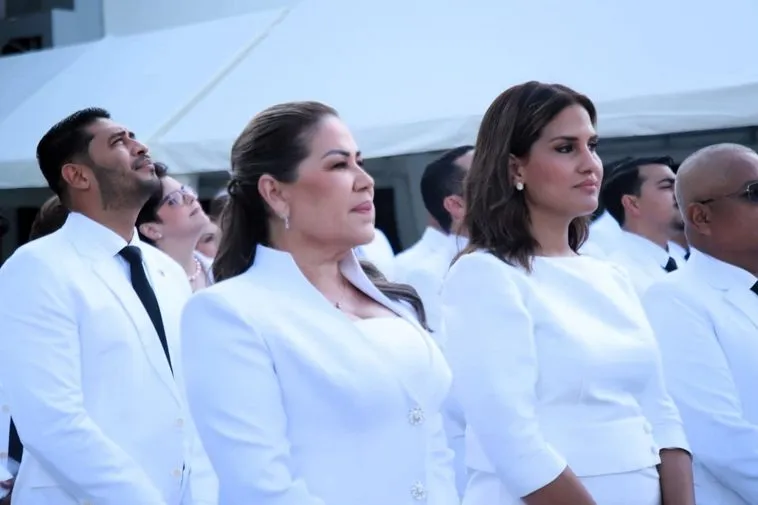
The committee formation process has become a critical test of the political alliances that govern Panama’s National Assembly. Unlike some legislative bodies where majority parties simply appoint members, Panama’s system requires negotiation across multiple party blocs. The current Assembly includes representatives from at least five distinct political groupings, each with its own priorities and demands.
Castañeda temporarily left the plenary chamber, carrying the revised lists, to continue conversations with bloc leaders in a final push for a definitive agreement. The scene highlighted the delicate balance required to manage a multi-party legislature where no single group holds an outright majority. Committee assignments determine not only which lawmakers review which bills, but also who gains visibility on high-profile issues and who exercises oversight over specific government ministries.
For rank-and-file deputies, committee placement can make the difference between influencing major policy decisions or being relegated to less prominent roles. This explains the intensity of last-minute objections that derailed the carefully announced consensus. Lawmakers who felt sidelined in the initial distribution pushed for reassignment, triggering the chain of delays that kept the plenary in suspense.
The standoff carries broader implications for Panama’s legislative agenda. Several pending bills require committee review before they can reach the floor for debate. These include measures related to economic recovery, social programs, and infrastructure projects that depend on timely legislative action. Each day without functioning committees pushes those decisions further into the future.
As afternoon stretched into evening, the Assembly remained in a holding pattern. Castañeda shuttled between groups of lawmakers, paper lists in hand, seeking the formula that would satisfy enough deputies to move forward. The outcome would determine not just who sits on which committee, but whether the legislature can begin addressing the substantive work that voters expect from their representatives.