


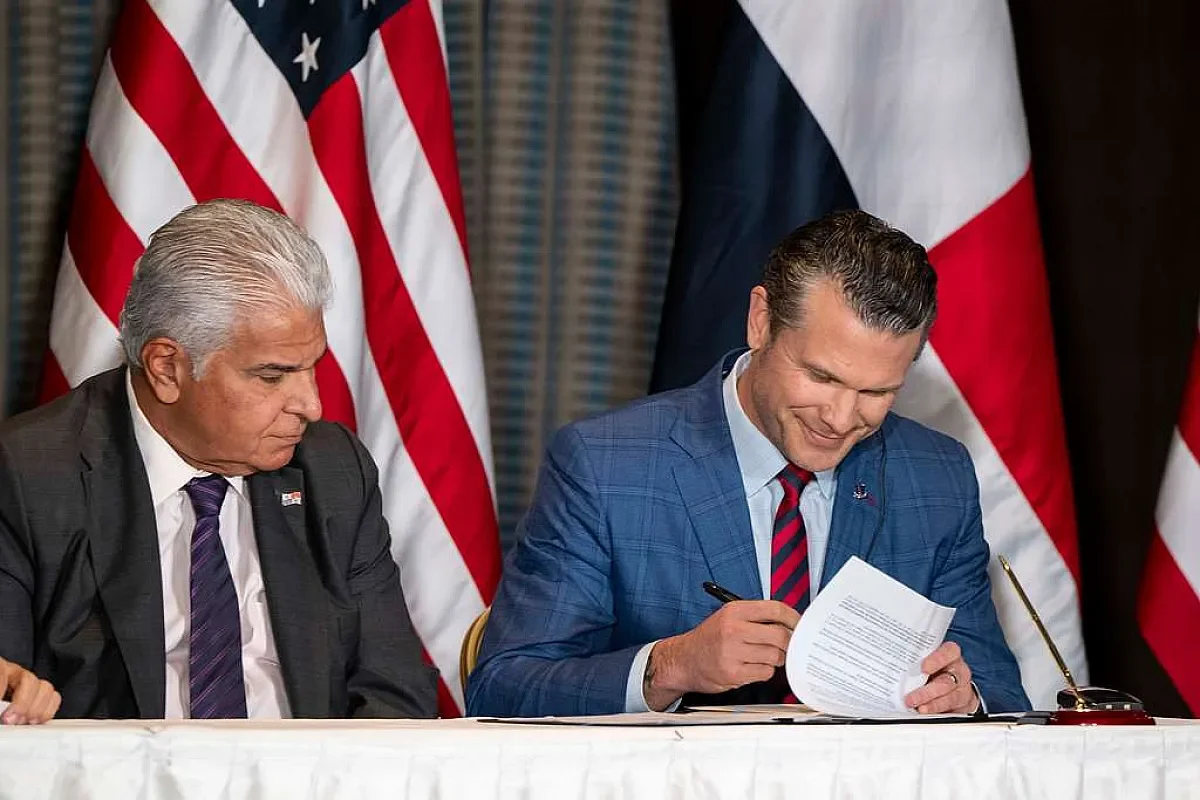
The United States Treasury Department’s decision to sanction two Panamanian businessmen in December 2025 has cast an uncomfortable spotlight on the private financing behind President José Raúl Mulino’s 2024 election victory. Among the 450 presidential donors who contributed more than $3 million to Mulino’s campaign, several names now appear on international watchlists or in foreign court proceedings, raising difficult questions about the company a head of state keeps. The Carretero Napolitano family, whose Comercial Rali enterprise donated $2,500 to the campaign, found itself at the center of this storm after both brothers were designated by the Office of Foreign Assets Control (OFAC) for alleged involvement in Venezuelan corruption networks.
OFAC Designations Expose Campaign Finance Vulnerabilities
The sanctions timeline tells a story of its own. Ramón Carretero Napolitano received his designation from the US Treasury on December 11, 2025, followed just eight days later by his brother Vicente, who was added to the so-called Clinton List on December 19. The OFAC list targets individuals and entities linked to narcotics trafficking, money laundering, terrorism, and international corruption. American officials pointed to the brothers’ alleged participation in petroleum product shipments on behalf of Venezuela’s Chavista government, working through companies they controlled alongside Carlos Malpica Flores, the nephew of Cilia Flores, wife of the now-deposed Nicolás Maduro.
What makes these designations particularly awkward for Panama’s current administration is the timing. Vicente Carretero had already been replaced as president of Comercial Rali on December 22, 2025, just three days after his OFAC listing and nearly nineteen months after the company’s modest campaign contribution. Axel Ariel Miranda, the former legal representative, assumed that leadership role. But corporate restructuring cannot erase the uncomfortable reality that a company now tied to sanctioned individuals appeared in the campaign finance records submitted to Panama’s Electoral Tribunal.
The platform La Ruta de la Plata, developed by the Foundation for the Development of Citizen Freedom, made this connection visible to the public. The database tracks private campaign financing from the 2024 election cycle, allowing researchers and journalists to identify which businesses and individuals bankrolled the current presidency. While a $2,500 donation represents a fraction of the $3 million Mulino received, the symbolic weight of accepting money from entities that American authorities would later flag for corruption allegations carries significant political risk.
A Business Empire Built on Bolivarian Contracts
For nearly fourteen years, the Carretero Napolitano family maintained a lucrative commercial relationship with Venezuela’s socialist government. Their enterprises secured contracts exceeding $800 million for construction projects and the supply of toys, appliances, tires, and other merchandise. The family name became known locally through the Rali bicycle brand, a household product that gave their commercial operations a respectable public face. Behind that retail visibility, But, investigators have documented a complex web of offshore companies allegedly used to move billions of dollars connected to the Maduro regime.
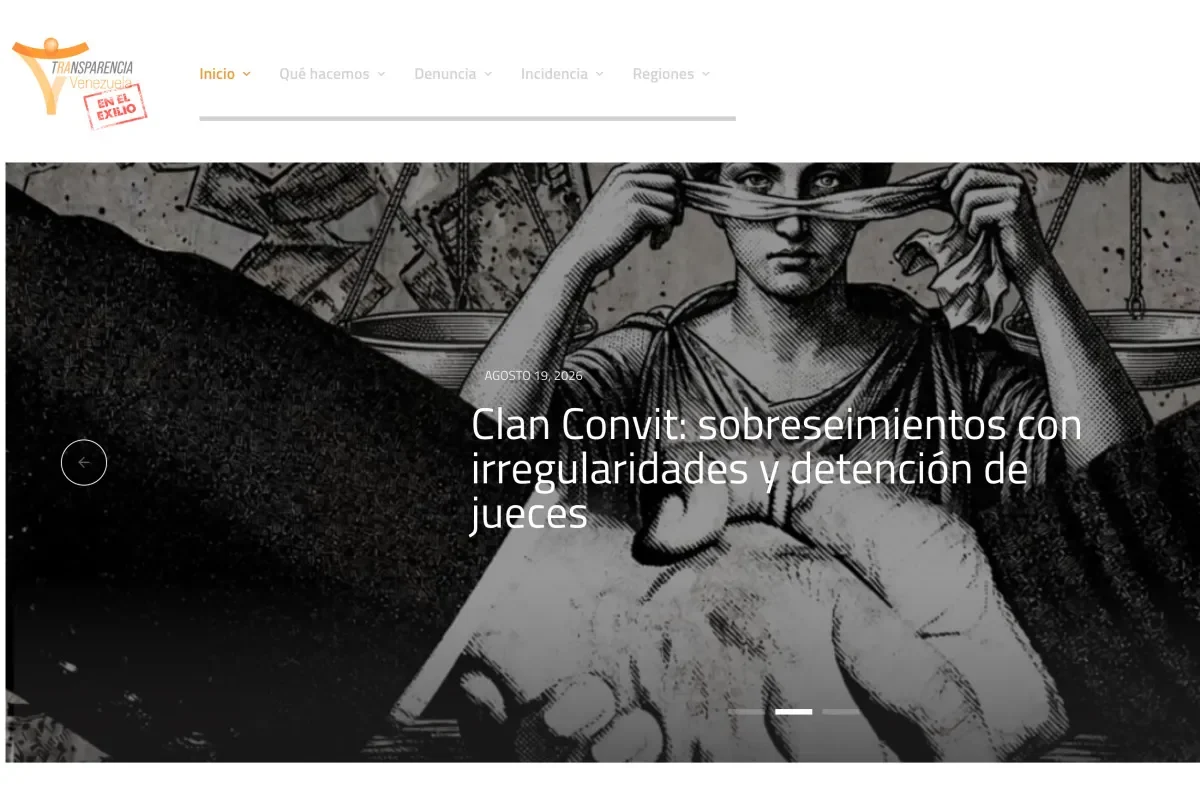
Transparencia Venezuela, a civil society organization tracking corruption in that country, has identified dozens of offshore entities that remained active until days before Maduro’s dramatic capture by US commandos in January. International media collaborations, including investigations by the Latin American Center for Investigative Journalism and the outlet Armando.info, placed the Carretero brothers squarely within this network. Their company Comercial Rali appears in Panama’s corporate registry and, subsequently, in Mulino’s campaign finance filings.
Luisa Napolitano, the current manager of the Colón Free Zone and a cousin of Ramón Carretero, further complicates the picture. Corporate records from 2016 show her participation in the family’s business affairs. Her position in the Colón Free Zone, one of Panama’s most important commercial assets, places a relative of OFAC-sanctioned individuals inside a key government role. This personnel overlap between state institutions and controversial private business interests has fueled criticism from transparency advocates.
Regional Business Families Add to the Controversy
The Carretero brothers are not alone among Mulino’s presidential donors with problematic international profiles. The Kafie family, prominent in Honduras, and the Jenkins family from Mexico also appear in the campaign finance records. Both families have faced legal challenges abroad, and their investments in Panama have generated public opposition. The Jenkins family’s energy projects, in particular, have drawn scrutiny for environmental impacts, displacement of communities, and strain on Panama’s electrical grid. Their controversial ventures highlight how campaign contributions can flow from business interests that provoke significant domestic unrest.
This pattern suggests a broader reality about campaign financing in Panama. Wealthy families with regional business empires, some carrying legal baggage from other jurisdictions, see political contributions as a standard cost of doing business. For a president who campaigned on promises of clean governance, the presence of these donors creates a credibility gap. The electoral system permits private donations alongside public funding, leaving candidates dependent on the very economic elites whose interests they may later be called upon to regulate.
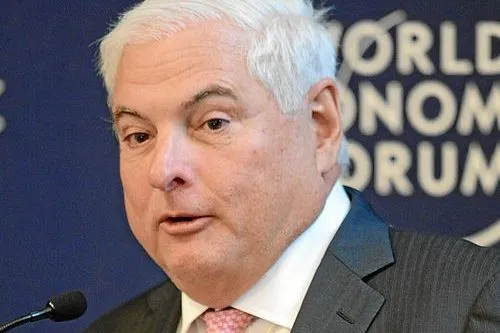
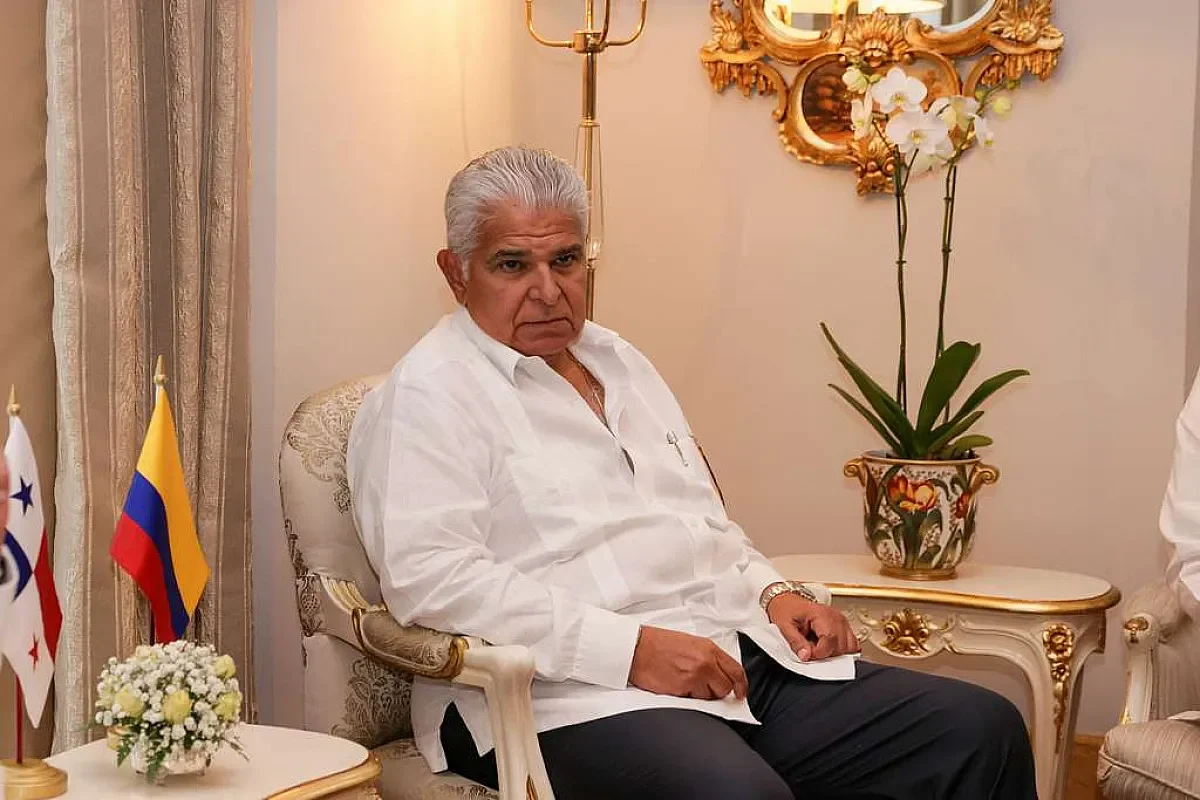
Mulino’s path to the presidency itself began under unusual circumstances. Originally the running mate of supermarket magnate and former president Ricardo Martinelli, Mulino found himself elevated to the top of the ticket when Martinelli was disqualified by a money laundering conviction. Martinelli, founder of the Realizando Metas and Cambio Democrático parties, had governed Panama from 2009 to 2014 and remained a powerful political force. When Mulino received the presidential sash on July 1, 2024, he shouted his gratitude to his imprisoned friend:
“Mission accomplished, damn it.. mission accomplished, Ricardo [Martinelli]!” [Translated from Spanish]
Geopolitical Calculations and Unanswered Questions
Panama’s current alignment with the continental right led by President Donald Trump makes the Venezuelan connection among Mulino’s donors especially delicate. Trump has forced a complex transition process in Venezuela following Maduro’s capture, and Washington has signaled zero tolerance for business networks that propped up the Chavista regime. Panama, eager to maintain strong relations with the United States and position itself as a reliable partner, now finds its own president linked, But tangentially, to individuals the US Treasury has deemed corrupt actors.
The juxtaposition is striking. A government that publicly supports the American stance on Venezuela must simultaneously explain why campaign contributions came from companies allegedly involved in oil shipments for the Maduro regime. Diplomatic observers note that such contradictions can undermine Panama’s credibility in regional forums and complicate bilateral negotiations. The Mulino administration has not publicly addressed the donor controversy in detail, leaving critics to speculate about what the president knew and when he knew it.
The campaign finance report submitted to the Electoral Tribunal lists hundreds of legitimate business leaders, bankers, and lawyers who supported Mulino’s candidacy. Most of these presidential donors face no legal troubles and contributed within the bounds of Panamanian electoral law. But the presence of even a few controversial figures in the mix raises systemic concerns. Panama’s campaign finance regulations permit significant private giving without requiring the kind of donor vetting that might prevent embarrassing revelations after an election. Reform advocates argue that stronger due diligence requirements would protect both candidates and the democratic process itself.
The full scope of questionable donations may never be publicly established. Corporate structures in Panama allow for layered ownership that obscures the true source of funds. A donation from Comercial Rali might ultimately trace back to personal wealth accumulated through Venezuelan contracts, but proving that connection in a court of law presents significant challenges. The OFAC designations, But, provide a starting point for investigators and journalists seeking to understand how money flows through Panama’s political system.
Transparency Demands Grow as Investigations Continue
Civil society organizations in Panama have begun calling for a comprehensive audit of campaign financing across all political parties, not just the ruling administration. The La Ruta de la Plata platform represents one attempt to bring sunlight to a process that has traditionally operated in shadows. By visualizing donations and connecting them to corporate registries, the tool allows ordinary citizens to see who funds their political leaders. The revelations about OFAC-sanctioned donors demonstrate both the power and the limitations of such transparency initiatives.
The timing of the Carretero sanctions, coming more than a year after Mulino took office, creates a political liability that would not have existed during the campaign itself. When the donation was made in early 2024, neither brother appeared on any international sanctions list. Critics of the president acknowledge that no one could have predicted the December 2025 OFAC actions. But supporters of stronger campaign finance rules argue that this very unpredictability argues for more conservative donor vetting practices.
As investigations into Venezuela’s collapsed regime proceed, more names may surface connecting Panamanian businesses to the corruption networks that sustained Maduro for nearly a decade. Each revelation threatens to implicate new presidential donors and further complicate Mulino’s political position. The president has maintained his focus on economic development and infrastructure, but the donor controversy simmers beneath the surface of his administration. Opposition politicians have signaled their intention to raise the issue in the National Assembly, where deputies witnessed Mulino’s inauguration against a backdrop of white, the color of transparency and purity.
Ultimately, the uncomfortable reality of Mulino’s donor list reflects a broader challenge facing democracies throughout Latin America. Campaign finance systems that allow private contributions necessarily create pathways for wealthy interests to influence politics. When those wealthy interests operate across national borders and face legal scrutiny in multiple jurisdictions, the reputational risk extends to the candidates who accept their money. Panama’s experience with its current president’s controversial donors may serve as a cautionary tale for future candidates throughout the region. The question is whether politicians will learn from this episode or simply continue accepting checks without asking where the money came from. For now, the Mulino administration appears content to let the silence speak.