


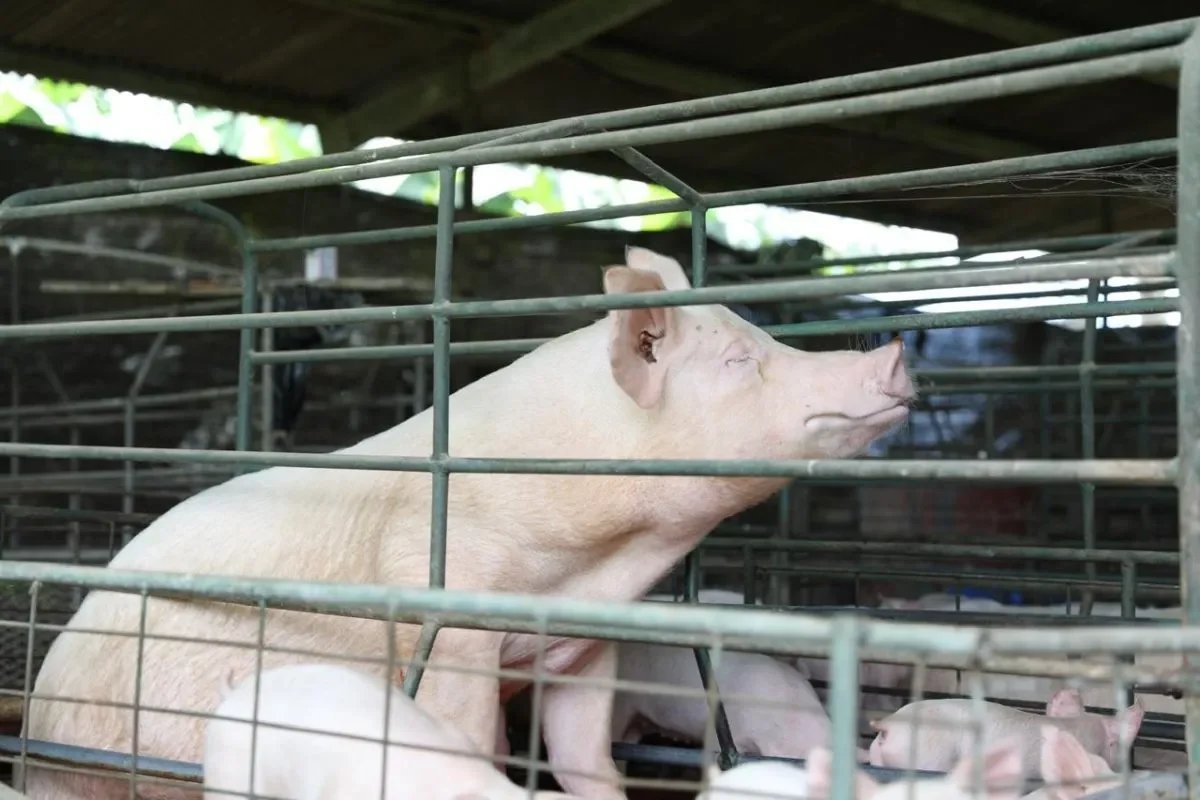
For years, small pig farmers in Panama struggled to balance production with environmental rules. Many lacked the resources to hire consultants or navigate complex regulations. That reality changed in July 2026, when the government approved a practical guide designed specifically for these producers.
The new framework, called the Guide for Good Agro-Environmental Practices for Integrated Waste Management in Pig Farms in Hydrographic Basins, became official through Resolution No. DM-0368-2026. Published in the Official Gazette No. 30571-A on July 20, 2026, the document represents a collaborative effort between multiple government agencies and pork industry organizations.
Who Created This Guide and Why
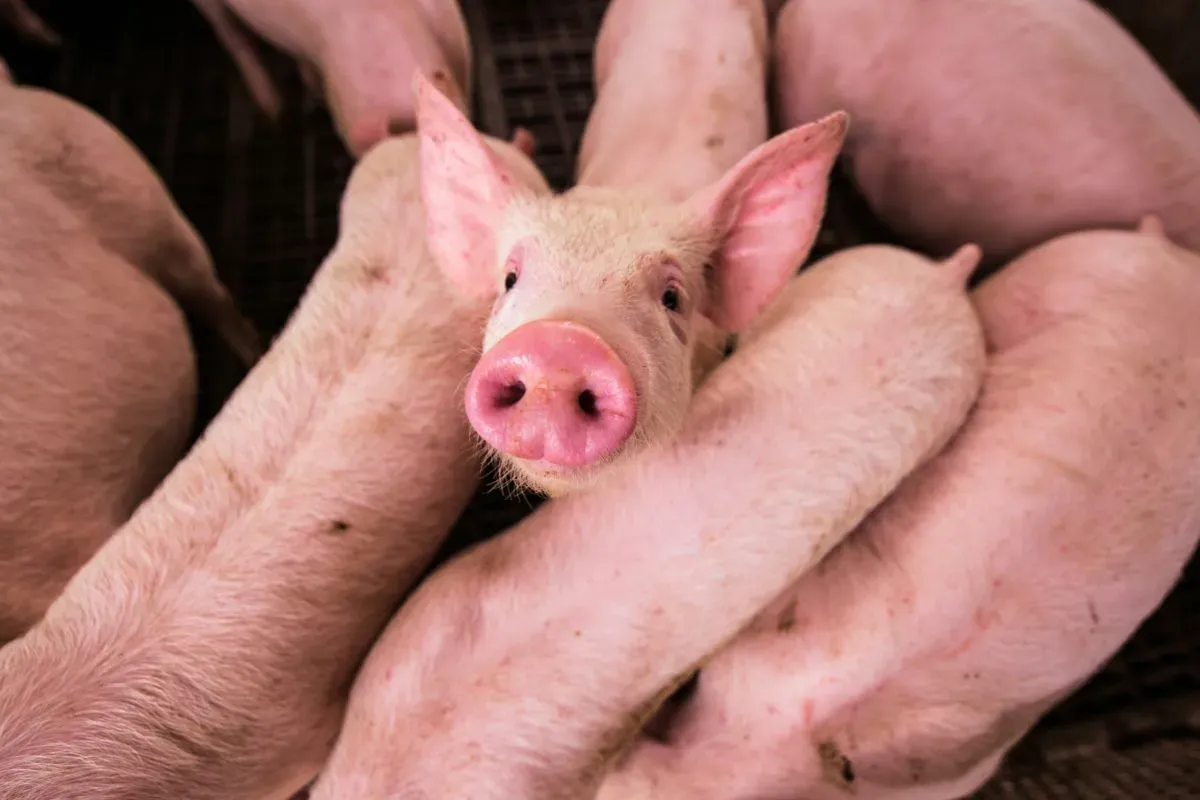
The Ministry of Environment of Panama led the initiative alongside the Ministry of Health and the Ministry of Agricultural Development. These agencies worked directly with pork producer associations including CONAPOR, ANAPOR, APORCEPPA, ANAVIP, and APUP. Each group participated in drafting, reviewing, and validating the technical content. The process also included a public consultation phase.
Small and medium-sized pig farmers stand to benefit most from this new tool. They can now access technical guidance without spending money on outside experts or getting tangled in bureaucratic processes. The guide focuses on helping them comply with existing environmental and health regulations while improving how they handle waste from their operations.
‘The project represents an important milestone for integrating environmental responsibility with agricultural productivity’ [Translated from Spanish]
Cleaner Production and Circular Economy Principles
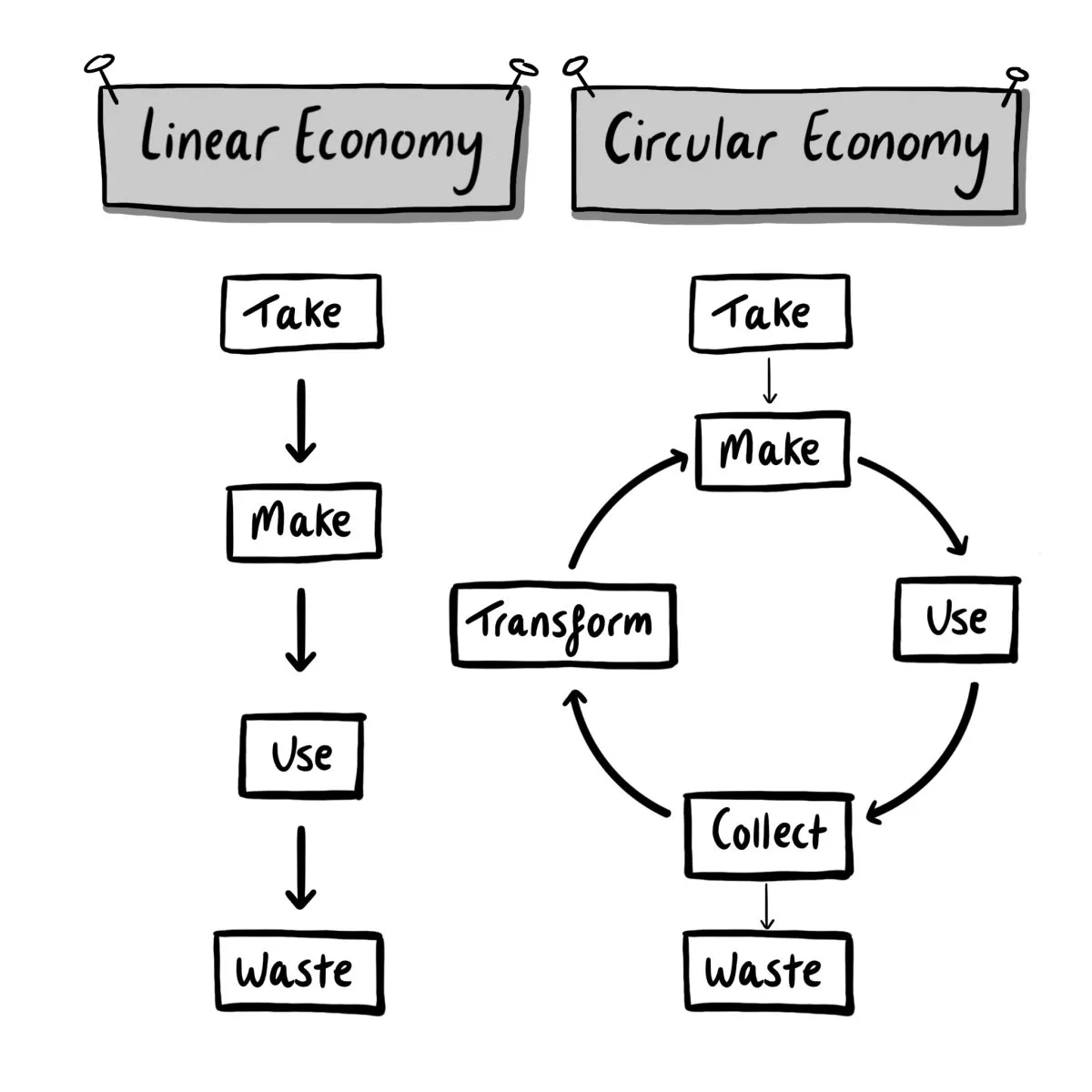
The guide promotes cleaner production methods and strategies aligned with the Circular Economy in Latin America framework. These approaches aim to use resources more efficiently, reduce operating costs, and strengthen biosecurity on farms. Water and energy use receive special attention, as does the adoption of waste treatment technologies.
The underlying philosophy turns environmental challenges into business opportunities. By managing waste properly, farmers can boost productivity and competitiveness without harming natural resources. This matters particularly in Panama’s hydrographic basins, where runoff from pig farms has historically polluted streams and rivers.
Support System for Producers
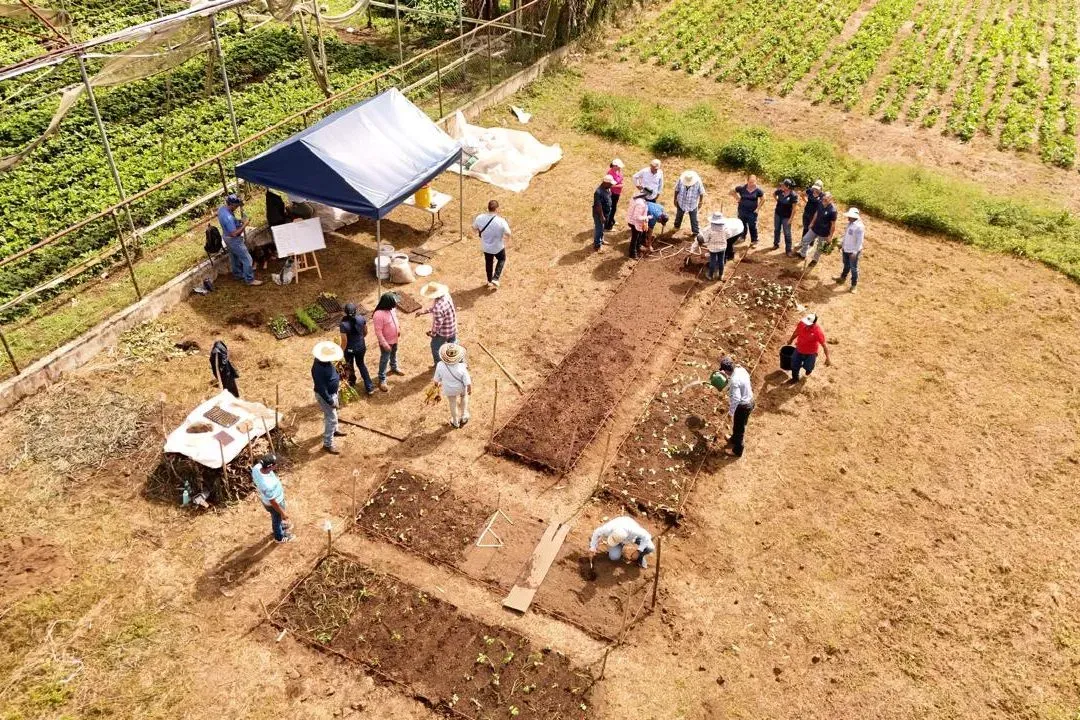
Farmers will not face these changes alone. The document establishes a technical support process led by competent institutions. Producers get an adjustment period to implement the new measures gradually. A monitoring system will then verify compliance with good practices and ongoing environmental management at each farm.
This structured approach reflects lessons learned from other sectors in Panama. The Agricultural Development sector has shown that combining regulation with practical support yields better results than enforcement alone.
Broader Implications for Panama
The approval of this guide strengthens the sustainability of Panama’s pork industry. It integrates public institutions with producer associations to create a more environmentally responsible sector. Beyond protecting water resources, the initiative supports public health goals and economic development in rural areas.
Pork production represents a significant part of Panama’s agricultural economy. Without proper waste management, these operations can damage watersheds that supply drinking water to communities. The new guide provides a clear path forward, balancing economic needs with environmental protection.
Officials expect the gradual implementation to minimize disruption while maximizing environmental benefits. The monitoring framework will track progress and identify areas needing additional support. This adaptive approach recognizes that small farmers face different challenges than large industrial operations.
Panama joins a growing number of Latin American countries adopting similar frameworks for agricultural sustainability. The focus on practical, affordable solutions rather than punitive measures could serve as a model for other sectors facing environmental compliance challenges.