Panama’s government has activated a Panama purchase exception that allows direct contracting without public tenders through June 30, 2027. The Cabinet approved the measure this week as part of a national emergency declared due to the El Niño phenomenon. But the Ministry of the Presidency said the full resolution still sits in legal review, leaving lawmakers without clear figures on potential spending.
Emergency Declaration and Special Procurement Powers
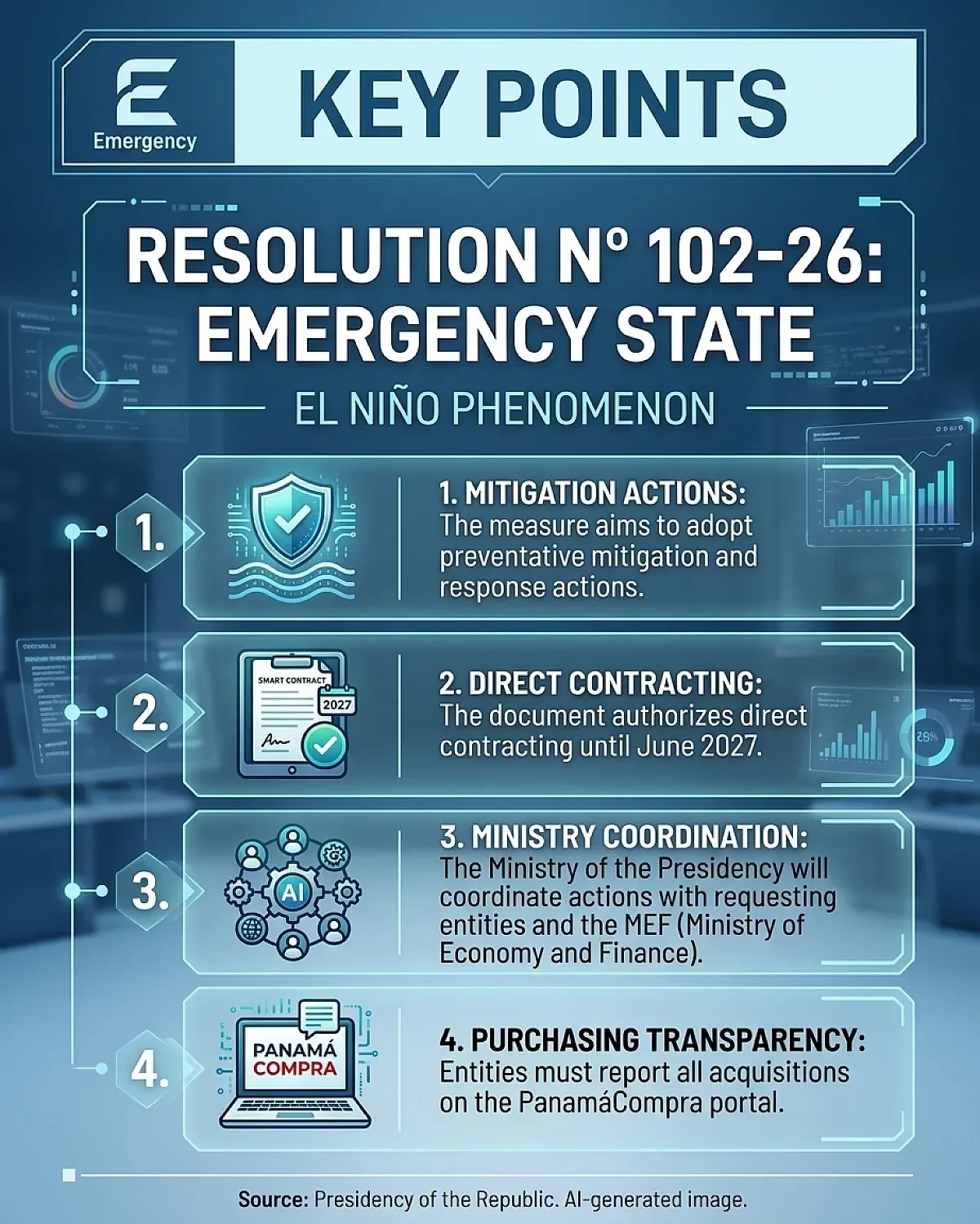
The resolution empowers the Ministry of the Presidency to coordinate with requesting entities and the Ministry of Economy and Finance to execute the authorization, according to a Presidency press note. Under the special acquisition procedure, ministries can buy goods and services without going through public bidding.
The same document also authorizes the Ministry of Government, through the National Civil Protection System (Sinaproc), to receive and accept contributions from humanitarian organizations, national or international, that want to support people affected by the climate phenomenon.
Agricultural Preparations and Water Security Projects
Minister of Agricultural Development Roberto Linares said his agency plans to prepare for the dry conditions by building reservoirs and watering troughs for livestock. He also mentioned more permanent solutions using geomembranes.
Linares added that officials will seek agreements with farm owners who have adequate water during the dry season. The government would also supply forage, medicines, and vitamins to prevent diseases that affect cattle during drought periods.
Panama Purchase Exception Triggers Fiscal Transparency Concerns
Deputy Janine Prado of the Vamos party said it is impossible to assess the emergency spending without seeing the final resolution’s text. She wants to know how much money will be allocated, which areas will get support, and how the process will work.
“It is essential to know the resolution to understand how much money will be allocated, which areas will receive support, and in what form” [Translated from Spanish]
Prado also stressed that any state of emergency requires a subsequent accounting. Under the Cabinet’s rules, every ministry or entity making direct purchases under this Panama purchase exception must present a written report to the Cabinet detailing the contractor’s name, the purpose of the expense, and the contracted amount. That report must be published on the PanamaCompra electronic public procurement system.
Precedent from Bocas del Toro and Oversight Lessons
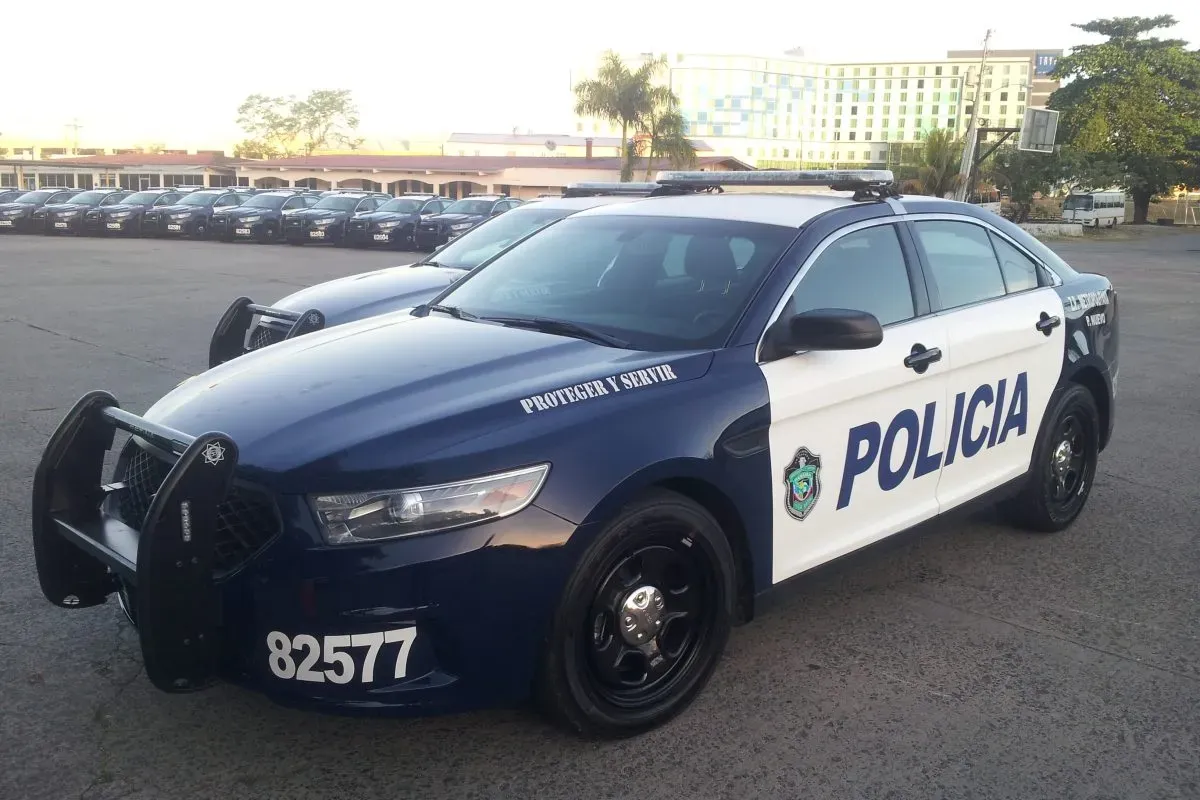
Last year, President José Raúl Mulino’s government declared an emergency in the province of Bocas del Toro after road closures organized by union groups opposed to Law 462. Using that justification, the Ministry of Public Security avoided bidding processes and completed direct purchases worth $4,695,929.62 to renew its vehicle fleet.
Prado pointed to such cases as a reason to demand more rigorous oversight of the current emergency powers. The new resolution extends the Panama purchase exception for nearly two years, raising questions about how many entities will use it and whether published reports will arrive on time.
“Accountability after any state of emergency is necessary” [Translated from Spanish]
As El Niño conditions intensify, the Panama purchase exception will face scrutiny from lawmakers and procurement watchdogs. The coming months will reveal whether the transparency mechanisms keep pace with the millions of dollars in direct contracts expected under this emergency framework.