


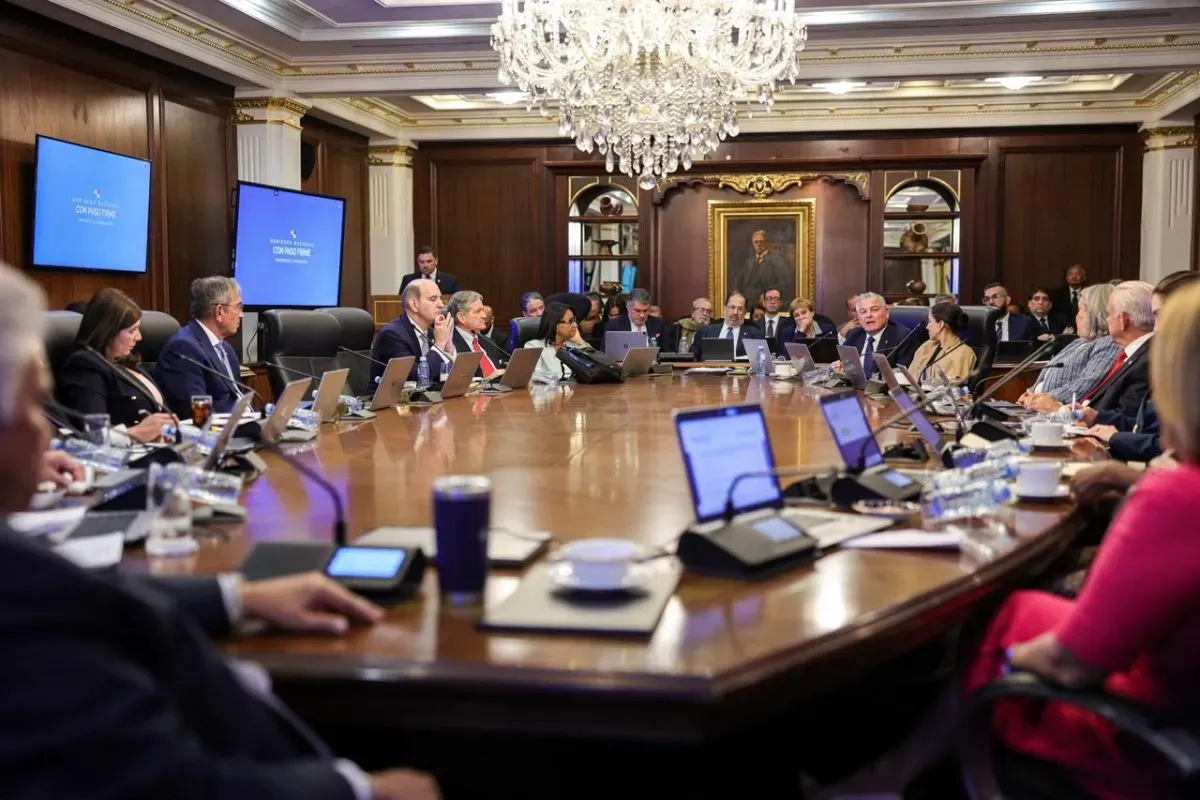
Panama City, Panama – President José Raúl Mulino held a secret meeting with lawmakers from his own political party last week. The closed-door session on June 10 solidified support for Deputy Shirley Castañeda to become the next President of the Panamanian National Assembly. The meeting took place at the Presidential Palace without any official press release or photographs, a stark contrast to previous publicized encounters with other legislative factions.
For three months, Mulino has been meeting with four different parliamentary blocs. He met with Cambio Democrático on March 17, Realizando Metas on April 28, the PRD on April 29, and the Panameñista Party on May 18. Those meetings were all announced through official channels. Topics included infrastructure projects, drinking water access, and health initiatives. The June 10 meeting with the Realizando Metas political party remained completely off the record until now.
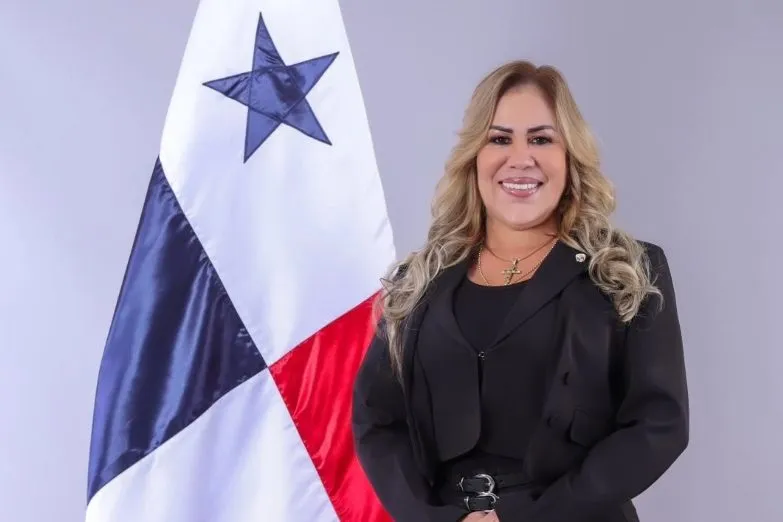
Three deputies confirmed the encounter to reporters. They are Alaín Cedeño, Luis Eduardo Camacho, and Sergio “Chello” Gálvez. Gálvez provided the clearest details about the ruling party’s strategy. He confirmed that Castañeda is the official candidate for the July 1 election of the new Assembly board.
Internal Party Struggle Ends with Camacho Stepping Aside
The race for the nomination started with at least six interested deputies from the ruling party. The competition narrowed to a two-person contest between Camacho and Castañeda. An internal party agreement stated that these two would decide who would run. The rest of the bloc would support that decision. Camacho ultimately withdrew his candidacy.
“We are unanimously nominating all 15 deputies for Deputy Shirley Castañeda,” Gálvez said. [Translated from Spanish] He explained that the consensus had been building for some time. “That consensus had been reached a while ago, but it was ratified in a meeting we deputies had,” he added. [Translated from Spanish]
Camacho and Castañeda share close ties to former President Ricardo Martinelli. Camacho serves as Martinelli’s official spokesman. Castañeda works with his extensive legal team. The decision to back Castañeda creates a unified front for the ruling party. It also carries a political vindication element. Castañeda lost the same election last year by a narrow margin of 34 votes to 37.
Gálvez noted that the party is now negotiating with other blocs to secure the necessary votes. He mentioned conversations with Cambio Democrático, Alianza, some PRD factions, and even the Panameñista Party. That party is currently led by Jorge Herrera, who is seeking reelection as Assembly President. “We are reaching good agreements, we are reaching good understandings,” Gálvez stated optimistically. [Translated from Spanish]
“The president has been emphatic in respecting the organs of the State. He is not getting involved at all in any of these decisions.” [Translated from Spanish]
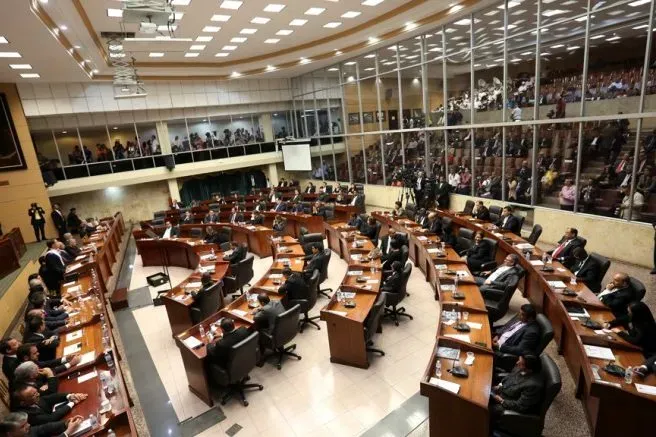
Deputy Gálvez insisted that President Mulino is staying out of the direct negotiations. He said the president respects the separation of powers. However, Gálvez acknowledged that a friendly Assembly president would benefit Mulino’s legislative agenda. The ruling party currently holds 15 seats in the 71-member Panamanian National Assembly.
Parallel Meetings Reveal High Political Stakes
The same day Mulino met with his party, a separate meeting occurred in a Japanese restaurant in Obarrio. Deputies from the Vamos party gathered there with current Assembly President Jorge Herrera. These parallel meetings show the intense backroom political activity before the July 1 vote. Both camps are working to build majority coalitions.
Deputy Alaín Cedeño confirmed that the June 10 meeting was calm. He said there were no confrontations or pressures regarding the new leadership election. The meeting lasted approximately two hours. Attendees discussed legislative priorities alongside the leadership question.
The election for Assembly President requires an absolute majority. That means 36 votes are needed to win. Last year’s contest went to a second round. The ruling party is working to avoid a repeat scenario. They want a first-round victory for Castañeda.
Mulino’s Envoy Maintains Legislative Bridge
President Mulino relies on advisor Jorge Ricardo Fábrega as his liaison with the Assembly. Fábrega attended all the recent meetings with legislative blocs. Ventura Vega, the current Secretary General of the Assembly, also attended. Vega is a close Mulino associate frequently seen in legislative hallways. These two figures serve as the executive branch’s direct channel to lawmakers.
The ruling party’s strategy focuses on building cross-party alliances. Gálvez said conversations with other blocs are progressing well. He expects a solid majority to form around Castañeda’s candidacy. The party wants to avoid the internal divisions that complicated last year’s election.
Panama’s political landscape remains fragmented. The Panama legislative elections produced no single majority party. Coalition building has become essential for passing legislation. Control of the Assembly presidency gives significant power over the legislative calendar and committee assignments.
The official candidate announcement is expected in the coming days. Castañeda will need to secure commitments from at least 21 non-party deputies. Herrera’s reelection campaign is also actively seeking support. The outcome will determine the balance of power for the next legislative year beginning July 1.