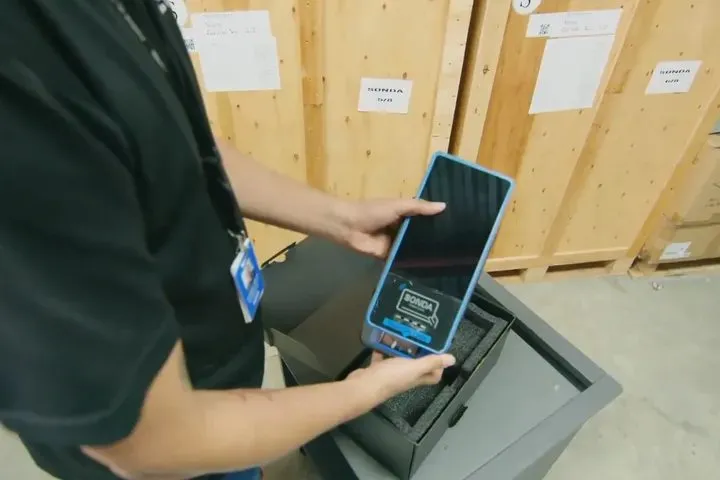
More than a million people who ride Panama City’s Metro and MiBus network each day are adapting to a foundational shift in public transport payments as the country migrates fare collection to a cloud-based digital platform. Sonda Panamá, the technology firm leading the transition, announced on September 1 that more than 4 million card balances have already been transferred and more than 3,500 new validators are now operating in metro stations, buses and paid zones. The company characterized the move as a key important technological transformations in the country’s transit sector.
The first new validators began operating on August 22, and the change has been visible at turnstiles and bus doors across the capital. Sonda Panamá is implementing an account-based ticketing system, known as ABT, which links each physical card to a digital account rather than treating the plastic as the sole store of value.
How Public Transport Payments Are Changing
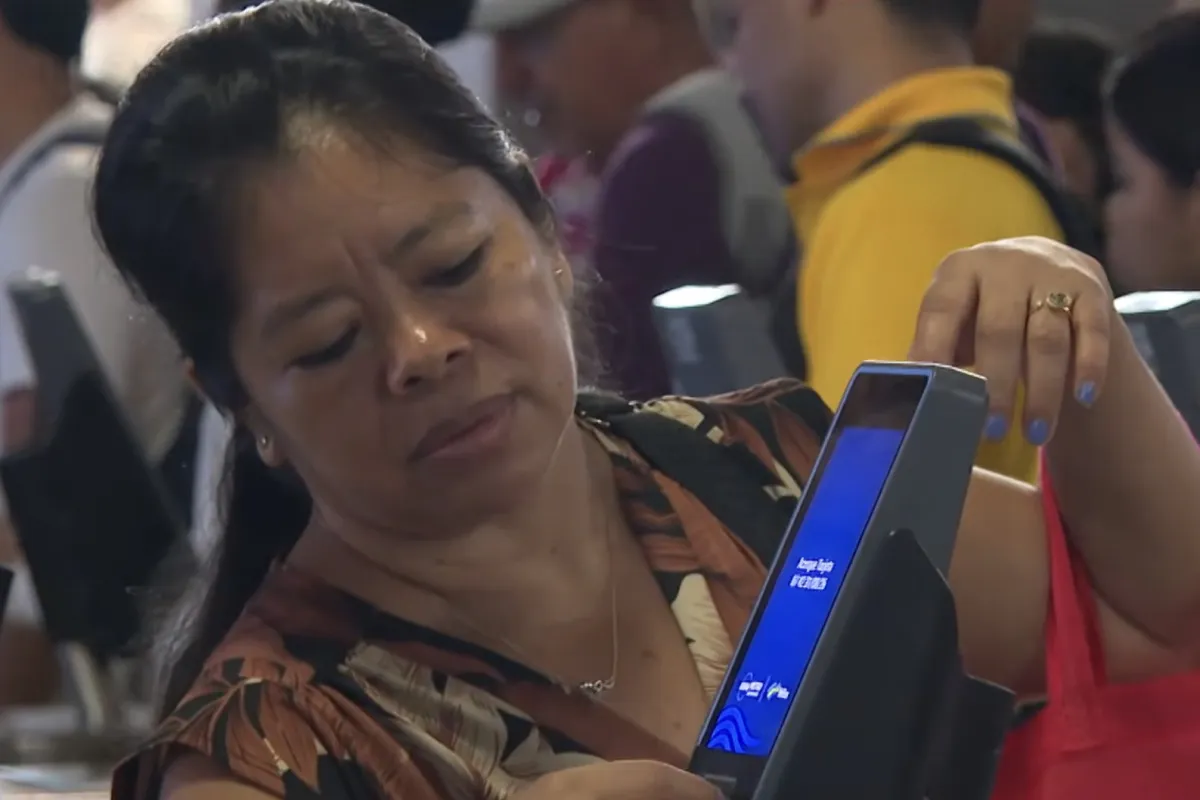
For everyday riders, the new routine starts with a green screen. When a passenger places a regular card on one of the new validators for the first time, the person must hold the card steady and wait for the display to turn green. This one-time procedure links the card to the new cloud platform, but it has also contributed to longer lines during peak hours.
Fare collection has been reversed. The old system deducted the trip cost when a rider boarded. Now the system displays the available balance at the start of the journey and applies the charge once the ride ends. Because the change is being rolled out gradually, some passengers may still see a go-ahead message while the migration continues. Sonda also said the new validators confirm access with a green light instead of a sound, and riders should move forward as soon as the signal appears to avoid delays at the gates.
Cloud Accounts Shield Riders From Losing Their Money
The most significant change is invisible. A card balance no longer lives only on the plastic. Instead, the value is protected in a digital account in the cloud. Sonda Panamá said there is no loss of balance, and temporary differences that appear during the transition come from the processing of field information.
“There is no loss of balance and any temporary difference that may appear during the transition responds to field information processing” [Translated from Spanish]
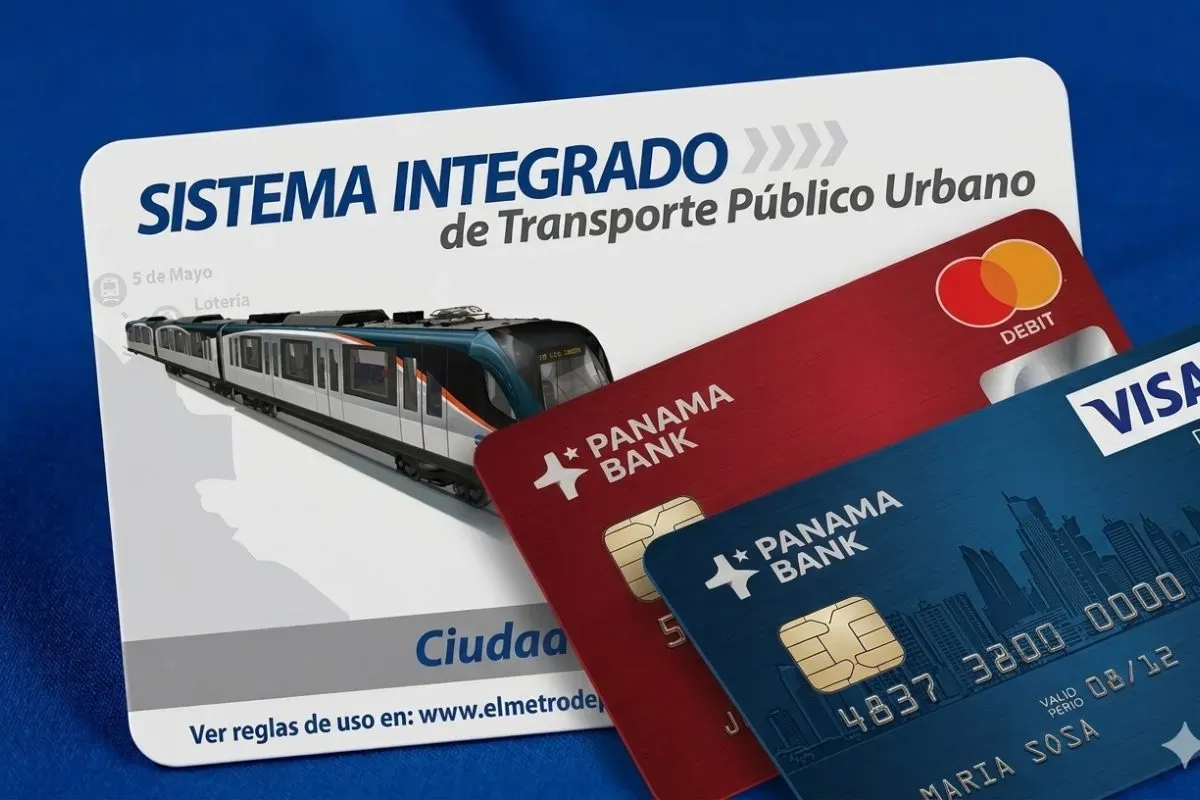
Once a rider registers a card on Sonda’s website or at a specialized service center, the balance is safeguarded in the cloud. If the card is lost, damaged or stolen, the money can be recovered. That is a significant departure from the old system, where a lost plastic card often meant losing whatever value remained.
Instant Digital Recharges and Transit Innovation
Recharging a card is also faster now. Payments made through online banking, ATMs or the Yappy app with A2-20 are activated automatically in the cloud. Riders no longer need to visit a totem or special machine to activate a top-up before boarding a train or bus. The automatic activation removes a common friction point, especially at busy interchanges and during late-night trips.
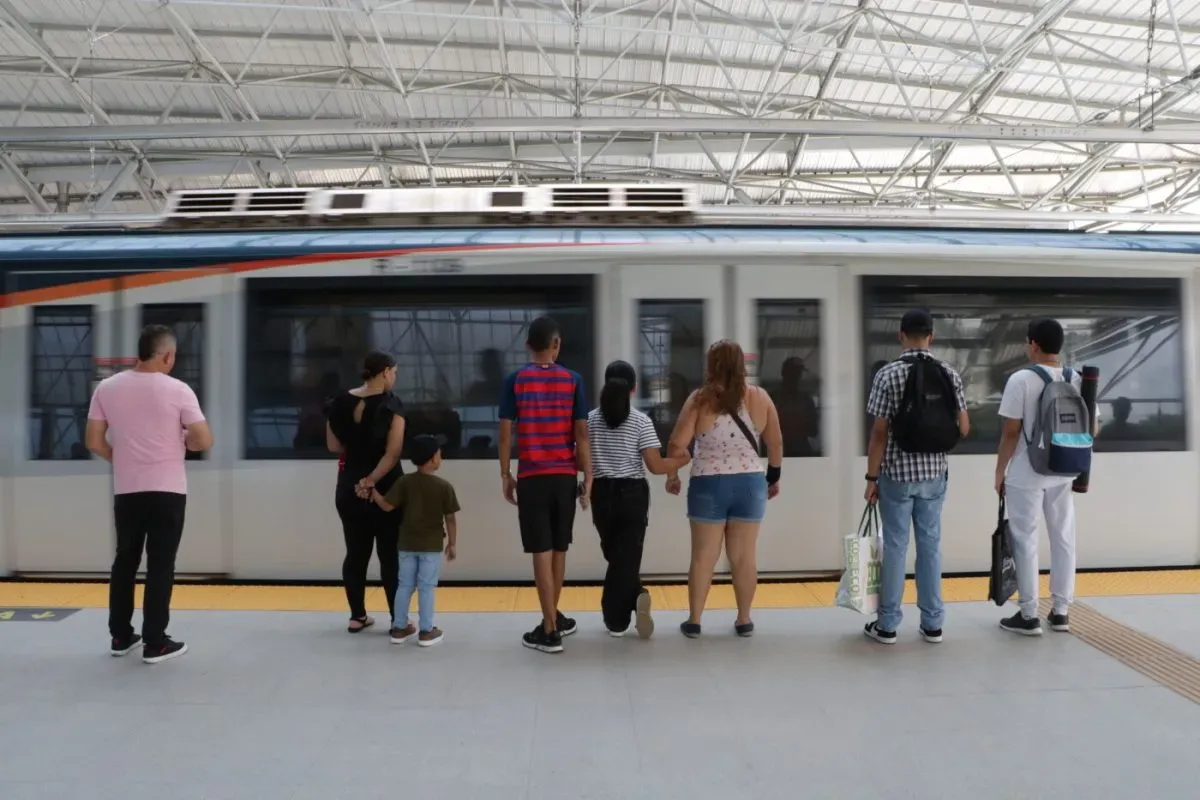
Sonda said the platform is built to incorporate additional digital payment methods later, including QR code fares. The account-based ticketing approach mirrors upgrades in other major transit systems around the world, where the goal is to make fare collection more flexible and less dependent on physical cards. The shift in public transport payments also positions Panama for future innovations that go beyond the current card-based system.
Stabilization and Technical Support on the Ground
Sonda acknowledged that incidents have occurred during the process and described them as part of a normal stabilization stage for a technology project of this scale. Full stabilization is expected in the coming days as more cards become linked to the new platform through first use. The company has maintained transport service without suspension for the more than one million daily users.
Technical staff are deployed at stations, paid zones and specialized service centers in coordination with the Metro de Panamá and MiBus to address issues as they arise. The company asked riders for patience and understanding while the system settles. Ultimately, the transition in public transport payments aims to protect balances, speed up digital top-ups and prepare Panama’s transit network for the next generation of fare options.