


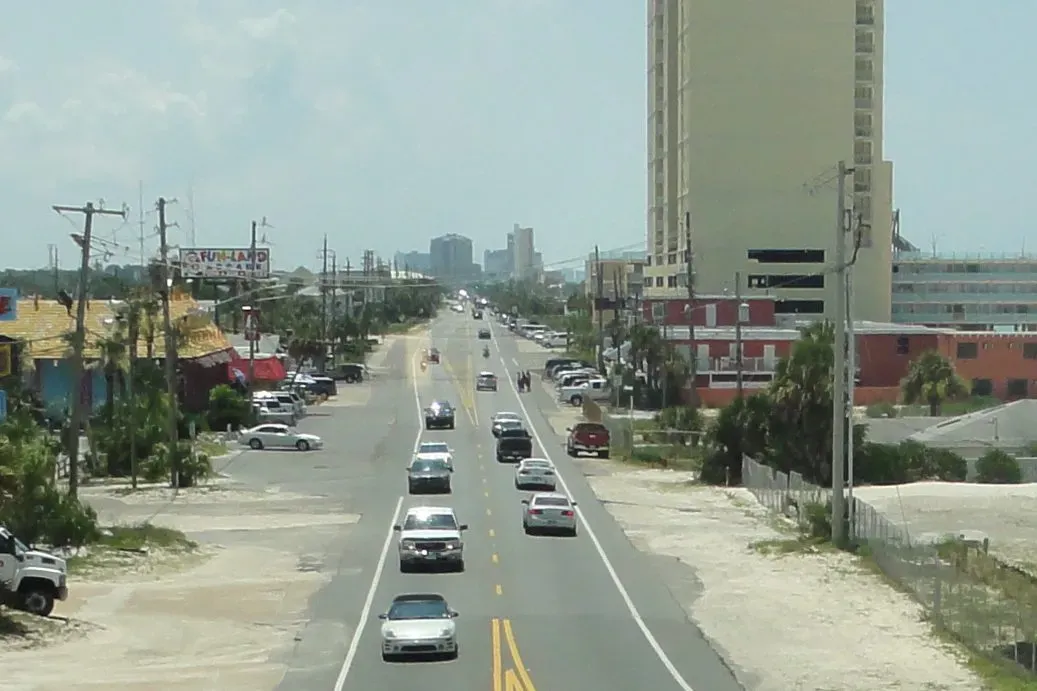
Panamanian transit authorities will activate a special lane reversal plan this Monday, March 2, to manage the expected surge in traffic for the new school year. The Land Transit and Transportation Authority (Panama) designed the operation to ease congestion on key routes connecting Panama City with its western suburbs.
Officials anticipate a significant increase in vehicle flow as students and staff return to classrooms. The plan focuses on reversing traffic lanes during peak morning and evening commutes to maximize road capacity.
Targeted Operations in Panama West Province
Lieutenant José Sánchez outlined the specific measures for the Panama West Province corridor. Morning operations directing traffic toward the capital will run from 4:00 a.m. to 9:00 a.m. The Arraiján–La Chorrera highway will feature a lane reversal ending at the Roberto F. Chiari road. Another reversal will be in effect from Howard to the National Assembly.
Evening reversals for traffic heading west will begin in the afternoon. The National Assembly to Panama Pacífico route will operate from 2:00 p.m. to 8:00 p.m. A reversal from Burunga to the Western Sector is scheduled between 3:00 p.m. and 6:30 p.m. An additional segment from Panama Pacífico to Vista Alegre will also be activated.
“From 6:00 a.m. to 8:00 a.m., there will be a lane reversal on the stretch from Atlapa to Multiplaza (Vía Israel). We will also streamline flow in Santa Elena, from Vía Cincuentenario to Villa Porras in the morning, and in the opposite direction in the afternoon,” said ATTT Director Simón Henríquez. [Translated from Spanish]
Henríquez confirmed that internal city routes will also see adjustments to absorb the higher vehicle volume. His announcement about the capital’s plans came alongside the details for the western province.
Authorities Issue Direct Guidance to Drivers
With an estimated 45,000 vehicles expected daily on the two bridges linking the west to the city, authorities have issued strong recommendations. They urge drivers to leave earlier than their usual departure times. Careful attention to traffic officer signage is critical for navigating the changed lanes safely.
Drivers must avoid sudden maneuvers within the reversed lanes. A single accident in these sections could block the entire roadway, officials warned, creating massive delays on a day already strained by high demand. The success of the operation depends heavily on public cooperation.
This traffic management effort mirrors other major infrastructure logistics in the capital, similar to coordination seen during events like this monday. The focus remains on minimizing disruption during essential construction or seasonal changes. The lane reversal strategy is a temporary but vital tool for Panama’s ongoing battle with congestion, especially in critical corridors serving the growing western population.
The plan’s implementation also occurs within a broader context of transportation oversight, where agencies like the asamblea nacional/ the nationa assembly scrutinize major projects and authority actions. For now, the immediate goal is ensuring a smooth start to the academic year for thousands of families.