


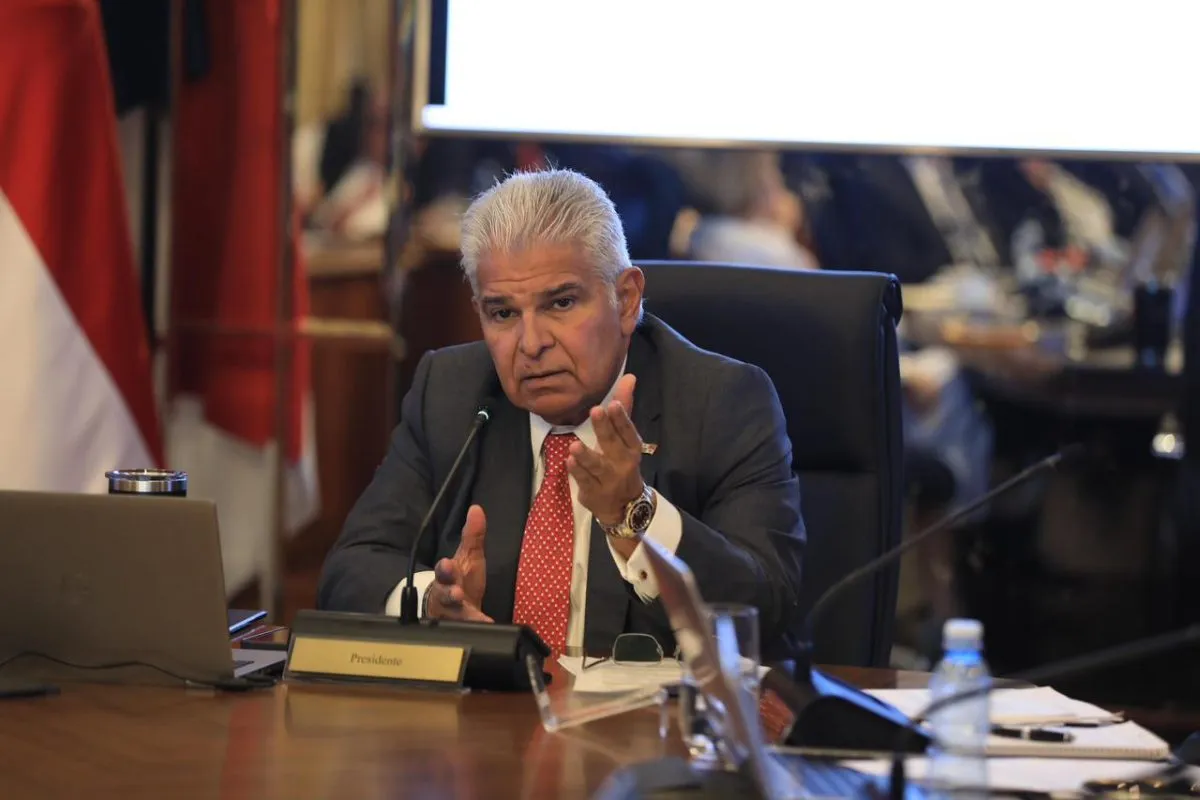
Panamanian President José Raúl Mulino has formally enacted a new law establishing a state-regulated foster care system. The legislation, signed this week in Panama City, creates a legal framework for temporary family placement as a primary protection measure for vulnerable children and adolescents.
📑 Table of Contents
This law defines foster care as an exceptional and provisional safeguard. It applies specifically to minors whose fundamental rights have been threatened or violated. The state now assumes direct responsibility for supervising and supporting host families throughout the placement process.
Minister of Social Development Beatriz Carles co-signed the statute. She described the move as a transformative shift in child welfare policy for the nation. The law mandates rigorous selection criteria, ongoing evaluations, and psychosocial support for participating families.
“When the community’s network of protection and care is strengthened, fewer children are neglected, abandoned, or placed in shelters. The best way to care for this vulnerable population is to develop the capabilities of families and communities. Panama is moving in the right direction with the signing of this law,” said Minister Beatriz Carles. [Translated from Spanish]
The Ministry of Social Development (Panama) will immediately begin implementing the regulatory protocols. Its primary goal is to build a formal network of qualified families. These families will provide temporary care while authorities work on a permanent solution for each child’s situation.
A New Framework for Child Protection
Panama’s previous child protection mechanisms often relied on institutional care. The newly signed law fundamentally reorients that approach. It prioritizes a family environment as the optimal setting for temporary protection.
Officials say the law places the child’s best interest at the center of every decision. It provides a clear legal pathway for foster care operations that did not previously exist in a consolidated form. The statute outlines specific procedures for matching children with families and for the state’s supervisory role.
Minister Carles has framed the legislation as a historic modernization of public policy. It aims to develop community capacity for child welfare. This shift is expected to reduce the institutionalization of minors over time.
The minister, beatriz carles, has been a key advocate for the reform. Her ministry will oversee the creation of training programs for foster families. These programs will include guidance on legal responsibilities and child development.
Implementation and Expected Impact
Next steps involve drafting the specific regulations that will bring the law to life. Social workers and family judges will receive new training on the foster care assessment process. The government must also launch a public campaign to recruit potential host families.
This legal change signals a significant policy evolution for Panama’s social services. It aligns the country with international child protection standards that favor family-based care. The law creates a structured alternative to group homes or shelters for children in crisis.
Success will depend heavily on the state’s ability to provide consistent oversight and support. The law explicitly tasks the Ministry of Social Development with this ongoing accompaniment. Officials must ensure families have access to necessary resources.
Advocates hope the system will lead to better long-term outcomes for vulnerable children. A stable family setting, even temporarily, can provide critical emotional and developmental support. Panama’s government is now legally committed to making that option a cornerstone of its child protection strategy.