


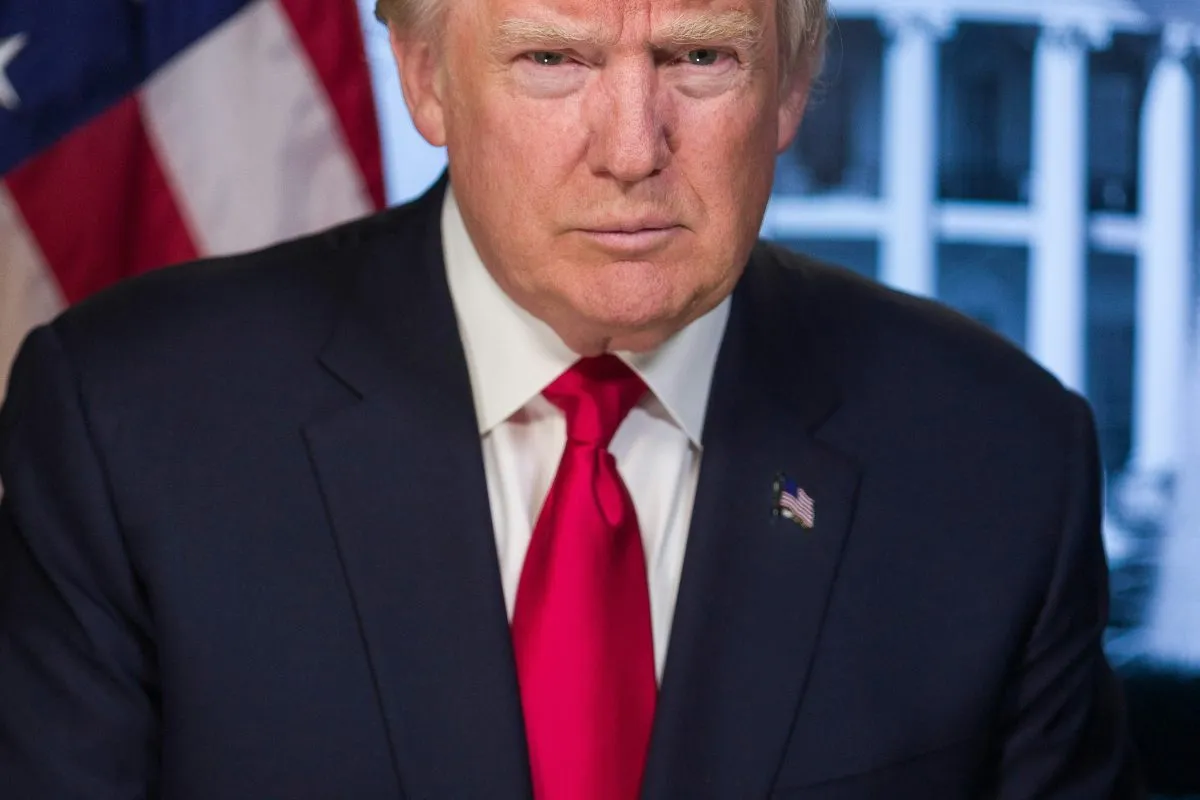
Panamanian President Jose Raul Mulino traveled to Miami, Florida on Friday to participate in a high-level regional summit convened by United States President Donald Trump. The meeting, dubbed the “Americas Shield” summit, gathered twelve Western Hemisphere leaders at the Trump National Doral golf resort on Saturday, March 6, 2026. The event aims to strengthen regional security alliances and address shared challenges, with Panama’s strategic role as custodian of the Panama Canal placing it at the center of discussions.
The invitation list reflects a specific geopolitical alignment, favoring leaders whose ideological positions are seen as closely aligned with Washington’s current foreign policy objectives. Attendees include Argentina’s Javier Milei, El Salvador’s Nayib Bukele, Ecuador’s Daniel Noboa, and Paraguay’s Santiago Pena. Notably absent are the leaders of major regional powers like Mexico, Brazil, and Colombia, despite Mexico’s deep economic ties through the USMCA (United States-Mexico-Canada Agreement).
A Summit with a Monroe Doctrine Foundation
Analysts view the gathering as a modern application of longstanding U.S. hemispheric policy. The summit’s underlying principles echo the Monroe Doctrine, the 19th-century policy opposing European intervention in the Americas, now reframed to address contemporary threats. This meeting occurs just 63 days after a dramatic U.S. operation captured Venezuelan leader Nicolas Maduro and his wife, Cilia Flores, who now face narcotics trafficking charges in New York. That action signaled a more interventionist U.S. stance, setting the stage for this weekend’s diplomatic assembly.
President Mulino himself acknowledged the informal nature of the event during a press conference on Thursday. He suggested the agenda would be fluid and prioritized based on Washington’s perception of each nation’s strategic importance.
“I dare to think that the agenda is going to be distributed according to the importance that each country has for the United States, and the response that we can all give regarding whatever may concern President Trump. In reality, there is no very defined format,” President Mulino stated. [Translated from Spanish]
This flexible format allows the Trump administration to conduct focused, bilateral conversations within the multilateral setting. The primary stated topics for discussion include coordinated efforts against narcotics trafficking and irregular migration, both key issues for the national security of attending nations. Panama’s recent transfer of the Balboa and Cristobal port terminals back to national control was seen as a strategic move ahead of the talks, directly addressing long-standing U.S. concerns about foreign influence over key Canal infrastructure.
Panama’s Strategic Leverage: The Canal
Panama enters these negotiations with unique leverage no other attendee possesses. The Panama Canal remains a critical global chokepoint, facilitating approximately five percent of worldwide maritime trade and connecting the Atlantic and Pacific Oceans in under 24 hours. Its reliable operation is a permanent matter of U.S. national security and economic interest. Since the start of his second term, President Trump has publicly questioned Canal toll structures for U.S. vessels and voiced intent to “reclaim” U.S. influence over the waterway, often citing perceived Chinese encroachment.
Mulino’s administration, by resuming direct control over the ports, has proactively neutralized a primary point of contention. This gesture demonstrates Panama’s sovereignty and its commitment to maintaining the Canal as a neutral, secure asset. It provides the Panamanian delegation with a stronger, more cooperative footing from which to discuss broader security cooperation. The move is part of a broader foreign policy approach from Washington that balances regional alliances with national autonomy.
Control of this vital corridor gives Panama an outsized voice in conversations about hemispheric trade security and resilience. Any discussion about protecting “freedom, security, and prosperity in our region,” as stated by the White House spokesperson, inevitably circles back to the Canal’s integrity. Panama’s cooperation is not just welcomed but essential for any regional security framework the summit hopes to advance.
The Unspoken Agenda: Iran and Hezbollah in the Hemisphere
While narcotics and migration dominate the public agenda, a significant portion of the closed-door talks will likely focus on Middle Eastern conflicts and their extension into Latin America. Current hostilities between Iran and Israel have heightened U.S. concerns about Iranian proxy networks operating in the Western Hemisphere. Washington maintains that Tehran has funded Hezbollah through partnerships with drug cartels in Mexico and Colombia, and alleges the presence of Hezbollah sleeper cells in Ciudad del Este, Paraguay.
Panama has direct, tragic experience with this threat. The 1994 bombing of Alas Chiricanas Flight 901, which killed 21 members of Panama’s Jewish community, has been linked to Hezbollah operatives. One suspect, Ali Zaki Hage Jalil, was captured in Venezuela years later following international cooperation, including with Panamanian authorities. This history makes Panama a key partner in intelligence-sharing and counterterrorism efforts aimed at dismantling such networks in the region.
The summit offers a platform to synchronize strategies against these transnational security threats. It allows the U.S. to share intelligence and seek concrete commitments from regional allies to monitor, disrupt, and dismantle financial and logistical support cells. For Panama, collaboration on this front is a matter of domestic security as much as international diplomacy, aligning with its own national interests.
The China Factor and Economic Alignment
Another critical, though less openly discussed, summit objective is consolidating a bloc of nations aligned to counter Chinese economic and strategic influence in Latin America. In recent years, China has significantly expanded investments across the region in sectors like infrastructure, energy, and telecommunications. The U.S. views this “advance,” as officials term it, as a challenge to its traditional hemispheric leadership.
The selective invitation list appears designed to create a coalition of nations perceived as more receptive to U.S. economic partnerships and wary of deep dependency on Beijing. While President Trump recently reduced some tariffs on Chinese goods after a meeting with Xi Jinping, the broader strategic competition remains intense. The summit serves as a diplomatic tool to reinforce ties with nations where the U.S. believes it can offer a preferable alternative to Chinese capital, particularly in sensitive sectors like technology and critical infrastructure.
For Panama, this presents a delicate balancing act. China is a major user of the Canal and a significant trade partner. Panama must navigate its crucial relationship with the U.S. while protecting its sovereign right to engage in beneficial economic partnerships worldwide. The country’s presence at the table ensures its perspective is heard as these broader economic security policies are debated.
Next Steps and Regional Implications
The immediate outcome of the Americas Shield summit may not be a formal treaty or a joint declaration. Instead, its success will be measured by the strength of the bilateral understandings reached and the momentum it creates for future cooperation. For President Mulino, the key will be translating Panama’s strategic importance into tangible benefits, whether through enhanced security cooperation, favorable trade considerations, or support for Canal-related infrastructure projects.
The exclusion of major nations like Mexico and Brazil raises questions about the long-term cohesion of any resulting alliance. It potentially creates a divided hemisphere, with one group closely aligned with Washington’s current vision and another pursuing more independent or multi-aligned foreign policies. How Panama manages its relationships across this divide will be a defining test for its diplomacy in the coming years.
As the leaders conclude their discussions in Miami, the focus shifts to implementation. The conversations between Donald Trump and President Mulino will likely set the tone for U.S.-Panama relations for the remainder of their terms. In a region facing complex security and economic challenges, Panama has secured its seat at a pivotal table, leveraging its geographic gift and strategic decisions to ensure its voice carries weight in shaping the hemisphere’s future.