


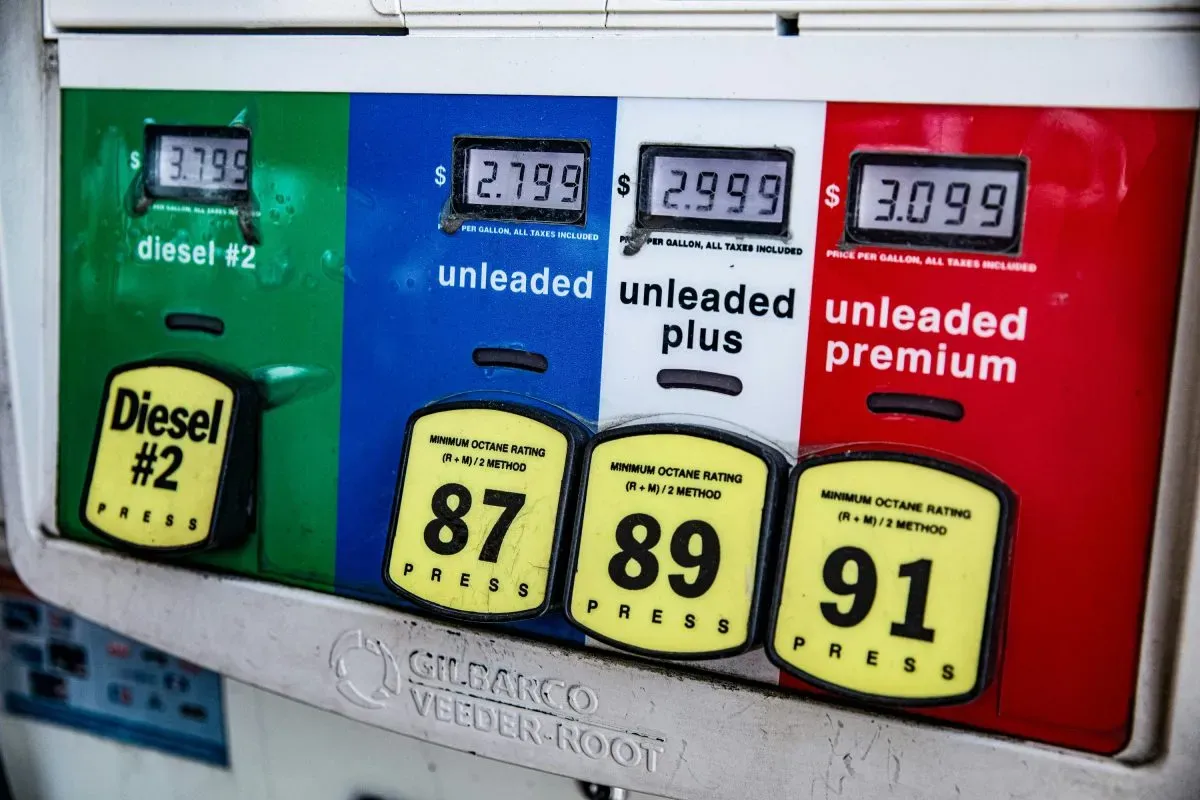
Panamanian drivers would be paying twenty cents less per gallon of gasoline today if the country had maintained its earlier adoption of bioethanol. Gaspar Ortiz, the National Director of Agribusiness at the Ministry of Agricultural Development, made that claim this week as the National Assembly revisits legislation to mandate the fuel additive. His statement refocuses a long-running national debate on energy costs and environmental policy.
Ortiz participated in a televised interview on the program Noticias AM, providing detailed calculations to support the potential savings for consumers. He argued that using domestically produced bioethanol acts as a crucial price stabilizer against volatile global oil markets. The current legislative proposal under review would formally establish a blend of bioethanol with the nation’s gasoline supply.
Economic and Environmental Arguments Presented
Officials are framing the push for bioethanol as both an economic relief measure and an environmental imperative. “We did the math, because numbers tell us the truth,” Ortiz stated during the broadcast. [Translated from Spanish] He presented a historical analysis, suggesting continuous use since 2000 would have yielded significant savings by now.
“Since the year 2000, if we had maintained using ethanol, we would be talking about paying 20 cents less per gallon today.” [Translated from Spanish]
The director specifically addressed common public concerns about vehicle compatibility. He pointed to Panama’s own limited experience with a five percent blend in 2013 as evidence that modern cars can handle it. Ortiz insisted that engine damage fears are a myth, noting that global auto manufacturers already produce vehicles for over sixty countries using bioethanol blends.
Cleaner Fuel and Technical Viability
Beyond cost, advocates highlight improvements to fuel quality. Ortiz explained that octane rating boosters like xylene, benzene, and toluene in current gasoline are significant pollutants. Bioethanol, which naturally has a high octane rating, can replace those chemicals. This substitution creates a cleaner-burning fuel while meeting the required 91 and 95 octane grades.
“You add ethanol to gasoline, you get 91, 95, and you have a less polluting product,” Ortiz added. [Translated from Spanish] This shift directly supports Panama’s international climate commitments. The country has pledged to reduce its emissions of greenhouse gases. Officials view renewable fuel integration as a logical step, complementing existing investments in wind and solar power generation.
The technical argument is straightforward. Modern automotive technology is already designed for these fuels. Panama imports the same vehicles as nations with longstanding ethanol mandates. The director nacional emphasized this point to alleviate consumer anxiety about vehicle performance and maintenance costs.
Legislative Path and National Impact
The proposal now rests with the Commerce Commission of the asamblea nacional. The twenty-cent savings figure has become a central point in deliberations. It offers a tangible, voter-friendly metric in a complex policy discussion involving agriculture, energy, and trade.
Ortiz framed the decision as part of a broader, necessary energy transition. “What is happening with the price of oil? It is skyrocketing and we do not know when this will stop,” he said. [Translated from Spanish] “Ethanol is a way to reduce those impacts.” His testimony positions bioethanol not just as an additive but as a strategic buffer for the national economy.
Final committee action could happen in the coming weeks. If approved, the bill would move to the full assembly for a vote, potentially reshaping Panama’s fuel market and agricultural sector. The debate continues to balance immediate consumer savings against long-term investments in renewable energy infrastructure.