


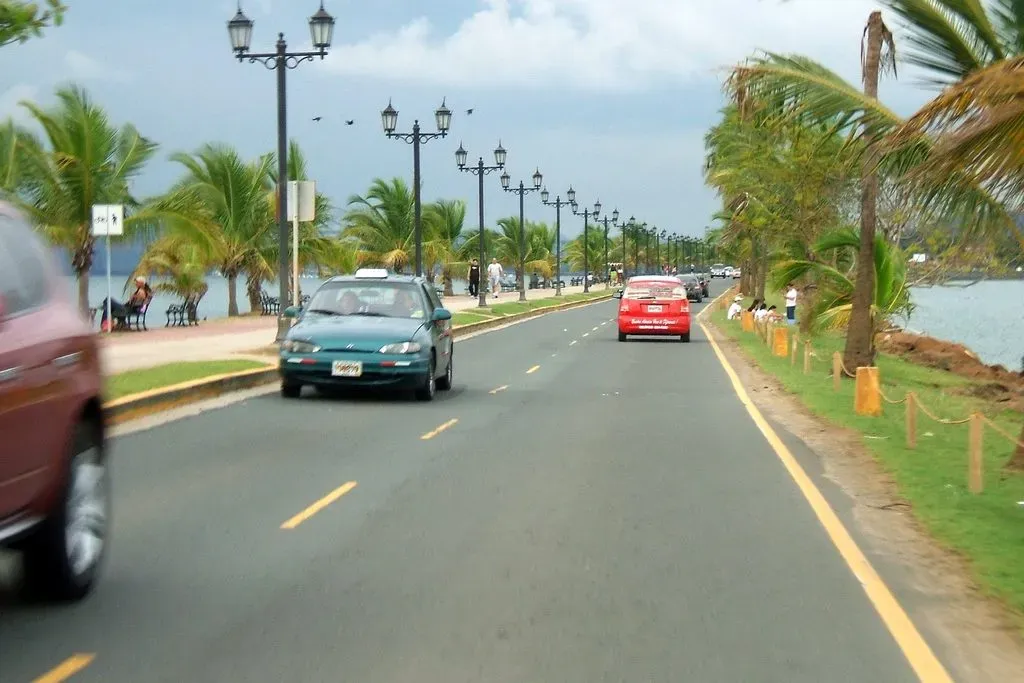
The Panama City Council voted this week to establish a paid parking system for a section of the popular coastal beltway. Council members approved Mayor Mayer Mizrachi’s proposal with overwhelming support, though questions about jurisdictional authority could complicate its implementation.
Approved on Tuesday, March 24, the measure specifically targets parking at the Cultural Center in the Puerta Sur sector. This area is part of the expansive third phase of the city’s linear coastal park. The council’s finance committee reviewed the proposal for eight days before sending it to a full vote, where it passed with 24 votes in favor.
Details Pending Official Publication
City officials have not yet released the specific tariff rates for the new parking zones. A spokesperson for the mayor’s office explained that the approved proposal must first be formalized through publication in the nation’s official record. Only after that step will the administration hold a press conference to announce operational details.
“Following its approval, the proposal must be promulgated in the Official Gazette for its formalization. The details will subsequently be announced in a press conference,” a Panama City Hall representative stated. [Translated from Spanish]
This procedural requirement means drivers will not see immediate changes. The timeline for activation remains unclear. The parking areas in question are located on a specific property, finca number 30379593, within the larger cinta costera park complex.

Jurisdictional Conflict with National Government
A significant legal hurdle could stall the plan. Management and administration of the entire coastal beltway park falls under the national Ministry of Public Works (Panama), not the municipal government. This authority is codified in Executive Decree 218 from December 2017.
That decree explicitly regulates the administration, use, maintenance, and exploitation of the Coastal Linear Urban Park. It defines the park’s assets broadly, including all green spaces, pedestrian bridges, bike paths, sports facilities, restaurants, and parking lots across its three phases. The council’s vote did not address whether the city had secured permission or a concession from the MOP to manage and monetize these public assets.
The ministry did not respond to inquiries about whether any such concession exists. This lack of coordination creates uncertainty. The city council is moving forward with a regulatory framework for an area it may not legally control.
Political Criticism and Community Priorities
The proposal has attracted criticism from some legislators who question the mayor’s focus. Independent deputy Jorge Alberto González publicly challenged the initiative’s timing. He argued that municipal resources should address more pressing infrastructure deficits in other districts.
“While the mayor discusses charging for parking on the coastal beltway, there are sectors in Panama Norte that have no street lighting, no sidewalks, and are waiting for a better quality of life,” González said. [Translated from Spanish]
González extended an invitation to Mayor mayer mizrachi. He asked the mayor to visit Panama Norte to witness the missing infrastructure firsthand. The deputy’s comments highlight a common tension in urban governance, balancing revenue generation in developed areas with essential service delivery in underserved communities.
The council’s approval represents a definitive step. Its practical effect, however, remains suspended. Final implementation hinges on two unresolved issues. The city must formally publish the law in the Official Gazette of Panama. More critically, it must resolve the jurisdictional dispute with the national Ministry of Public Works. Until an agreement is reached, the paid parking plan for Puerta Sur exists only on paper.