


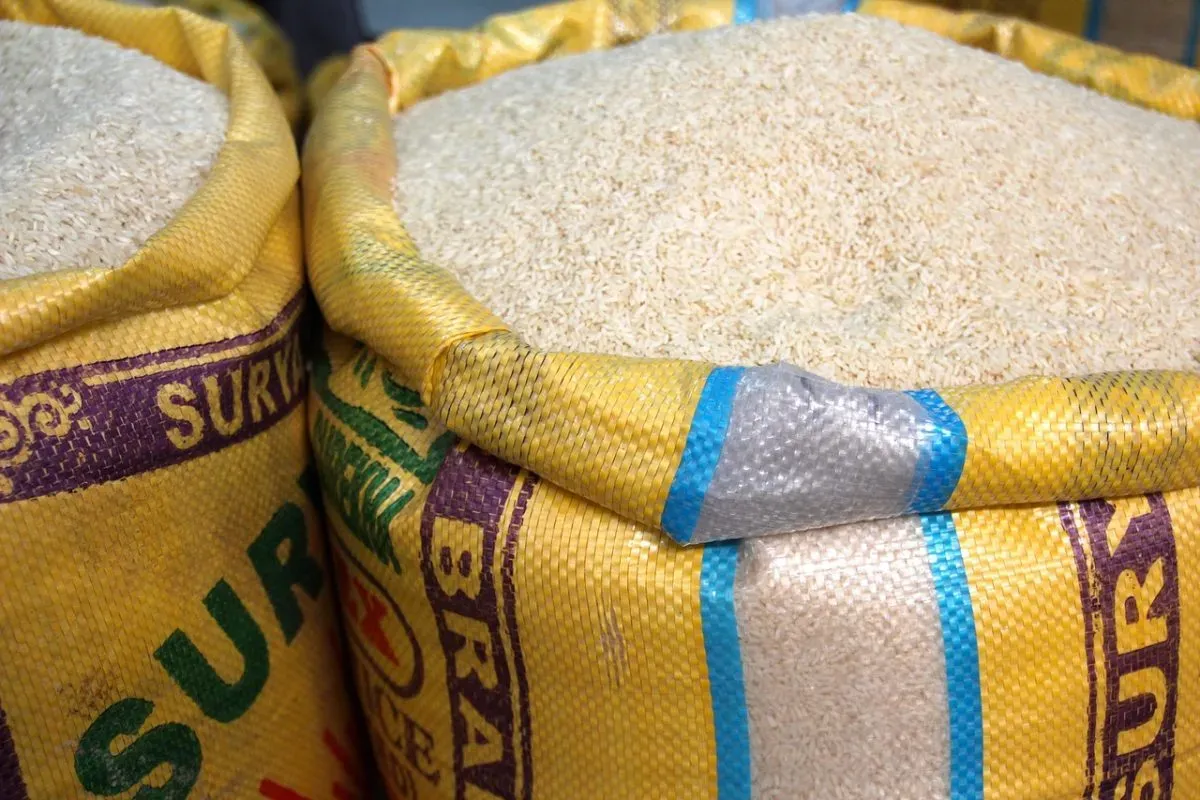
Rice producers in Panama warn that rising international costs will inevitably lead to higher prices for consumers. The warning comes after a meeting between farmers and the country’s agricultural minister to discuss the economic strain from global conflicts and supply chain disruptions.
Omar Spiegel, a national rice producer, stated that increased expenses for fuel and agricultural inputs cannot be absorbed by farmers alone. These costs, he explained, will be passed through each stage of the agricultural supply chain.
Spiegel participated in recent talks with Minister of Agricultural Development Roberto Linares. He described the meeting as a preliminary assessment of how international instability affects local production.
“The cost is going to be transferred from link to link in the chain until it reaches the consumer. That is inevitable,” Spiegel said. [Translated from Spanish]
Despite this stark outlook, Minister Linares stated last week that an immediate price hike is not anticipated. Officials confirmed they remain in talks with producers to monitor the situation closely.
International Conflict Drives Local Production Costs
The core issue, according to producers, stems from factors far beyond Panama’s borders. Spiegel pointed directly to geopolitical tensions as the primary driver.
He argued that the ongoing Middle East conflict has distorted global commodity markets. This has triggered a sharp rise in oil prices and, consequently, the cost of all petroleum-derived products.
“The war in the Middle East has distorted the entire international market for inputs and has driven up the price of oil and, as a result, its derivatives in fuel and lubricants,” Spiegel explained. [Translated from Spanish]
This includes essential imported raw material for national production. Panama’s high dependence on imports for these materials exacerbates the problem, leaving local sectors vulnerable to external shocks.
Farmers Feel the Impact First
The agricultural sector is the first point of impact. Producers on the ground are already facing higher operational costs as the new planting cycle begins.
Preparatory work for the April 1 start date is underway. This involves significant fuel consumption, machinery use, and the purchase of now-more-expensive fertilizers and agrochemicals. Industry estimates project a troubling financial picture.
Fuel costs alone could push rice production expenses up by 10 to 15 percent. Increases for fertilizers and other chemicals may add another 5 to 10 percent. Combined, this points to a potential 20 percent rise in the total cost of production before the harvest even begins.
Spiegel emphasized the limited control local actors have over these macroeconomic forces.
“The issue is not easy. It is an issue that escapes the hands of the producers, even the hands of the government and the hands of all Panamanians,” he stated. [Translated from Spanish]
Government Seeks Solutions Amid Inevitable Pressure
The Ministry of Agricultural Development (Panama) now faces the complex task of mitigating effects on the domestic market. Producers have submitted their recommendations and are awaiting a formal response from the government.
A follow-up meeting is scheduled for next week. The agenda will focus on evaluating potential measures to soften the blow to the national economy and consumers.
Possible interventions could include subsidies or support mechanisms, but any decision rests with government policymakers. This ongoing dialogue is part of a broader national conversation on agrocultural development and food security.
Spiegel reiterated that while some mitigation might be possible, the fundamental pressure on prices remains a powerful force. The entire supply chain, from field to supermarket, is bracing for change. The outcome of next week’s talks will likely determine how significantly those changes affect Panamanian households.