


Panama’s National Customs Authority will require mandatory export declarations for all goods leaving the Colon Free Trade Zone starting April 1, 2026. The new rule represents a significant shift in oversight for one of the world’s largest free trade zones, aiming to enhance cargo traceability and formalize exit records.
This mandate is part of a broader first-phase review of customs regimes and procedures for export and re-export operations. Officials designed the policy to ensure all shipments departing Panamanian territory are properly registered within the national customs system, regardless of their final destination.
New Declarations Target Re-Exported Goods
A key component of the regulation focuses on re-exported merchandise. Goods that enter Panama under customs control but leave without undergoing definitive clearance must now have a specific Re-export Declaration. This formalizes their exit and creates an official record.
“The procedure seeks to guarantee cargo traceability, formalize its exit from national territory, and ensure proper registration of the operation within the customs IT system, in accordance with current regulations,” stated the National Customs Authority of Panama. [Translated from Spanish]
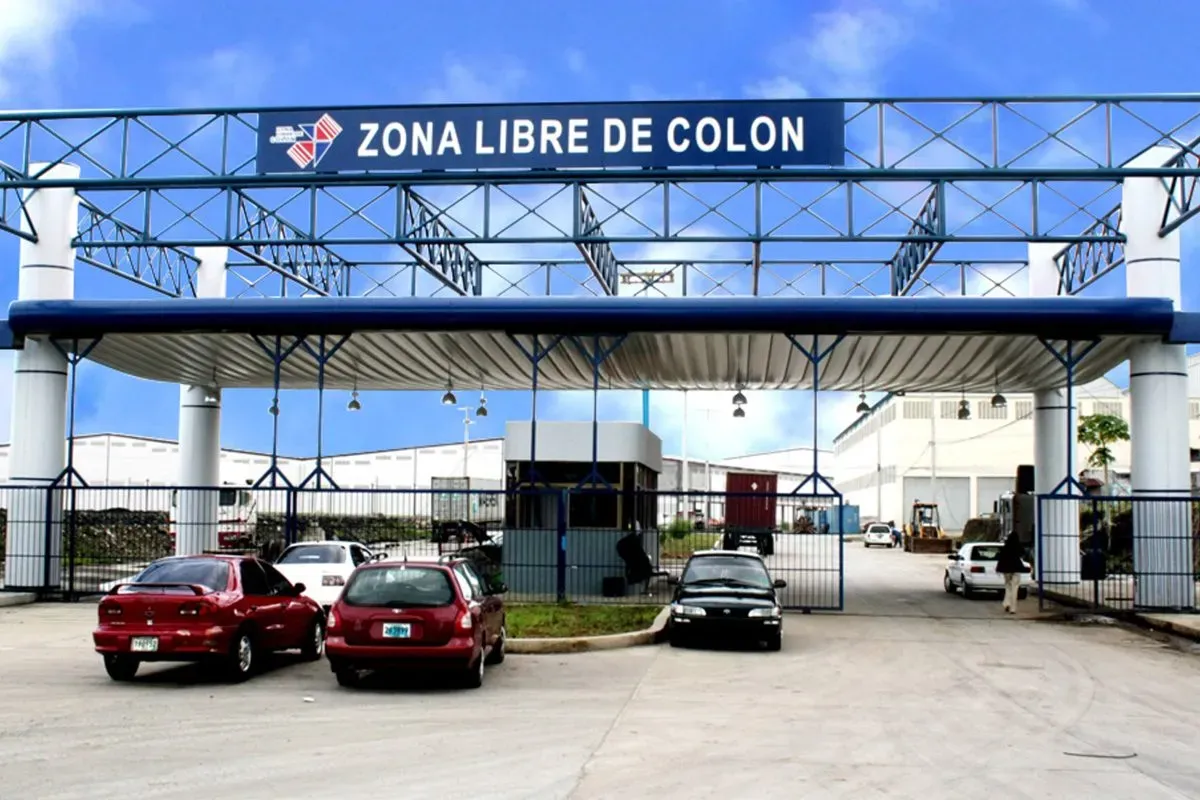
The authority clarified that all merchandise destined for export or Re-export must comply. This applies whether goods originate from customs warehouses or free zones like the massive Colón Free Trade Zone.
Multi-Year Implementation and Sector Training
Authorities did not develop this change overnight. Coordinated implementation began in 2025 and involved constant meetings with various sector stakeholders. The rollout also included system testing periods and extensive training for businesses.
Customs and Colon Free Zone technical teams supervised four major training sessions. Approximately 1,750 users participated in these workshops to understand the new declaration requirements and system navigation.
The autoridad nacional reiterated its call for all foreign trade users to comply with established regulations. Officials emphasize that proper documentation is no longer optional for companies operating within the zone.
This policy shift aims to modernize Panama’s trade logistics framework. It brings free zone operations into closer alignment with international customs monitoring standards, potentially strengthening the country’s position as a global logistics hub.