


The government of Panama has retained four Cuban attorneys to represent ten Panamanian nationals detained in Havana since late February. The Panamanian Embassy in Cuba secured the legal team to defend the citizens, who face charges of “propaganda against the constitutional order” for allegedly painting critical graffiti.
📑 Table of Contents
Officials confirmed the lawyers will participate in all phases of the judicial process within the Cuban legal system. This move represents a significant escalation of Panama’s diplomatic efforts to manage a case that has strained bilateral relations.
Legal Mandate and Diplomatic Visits
Sources close to the process say the appointed attorneys have a mandate to safeguard the detainees’ rights and ensure procedural guarantees are met. The Panamanian Ministry of Foreign Affairs formally announced the legal representation on March 3.
“The jurists assumed formal representation of the citizens, with a mandate to participate in all phases of the process, from the preliminary investigation to its eventual conclusion within the Cuban penal system,” the ministry stated. [Translated from Spanish]
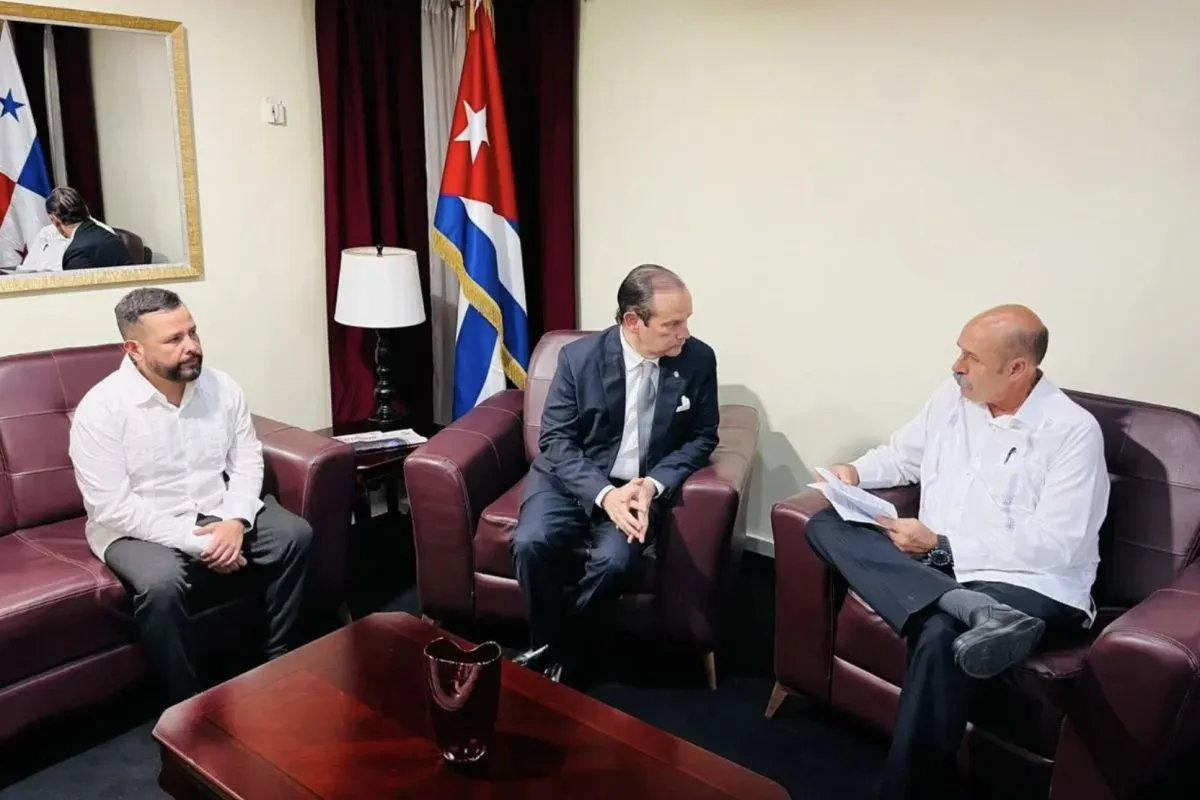
Panama’s ambassador to Cuba, Edwin Pitty, visited the group at the Detention Center for Crimes Against State Security, known as Villa Marista, on March 4. He delivered personal hygiene products and medicines. Later, on March 25, Panamanian Foreign Minister Javier Martínez-Acha traveled to Havana for a direct meeting with all ten detainees.
Martínez-Acha stated he observed the Cuban authorities were providing humanitarian treatment. His visit included high-level talks with Cuban President Miguel Díaz-Canel and Foreign Minister Bruno Rodríguez Parrilla.
Charges and Ongoing Detention
Cuba’s Ministry of the Interior (Cuba) arrested the individuals on February 28. An official statement alleged they sought to create subversive signs. The charge falls under Article 124 of the Cuban Penal Code, which can carry sentences of up to eight years imprisonment.
The detained Panamanians are identified as José Luis Aguirre, Patrochiny Joseph, Omar Urriola, Víctor Manuel Cedeño Pinzón, Anthony Jules, Evelyn Castro, Cinthia del Carmen Camarena, Abigail Stephany Gudiño Castro, Adalberto Antonio Navarro Asprilla, and Maykol Jesús Almendra Pérez. All remain in custody as the investigation proceeds.
Panama has formally requested that Cuba authorize travel for the detainees’ family members. This request aims to alleviate the emotional impact of the detention and maintain family contact during the legal proceedings.
The case has become a focal point for Panama’s diplomatic mission in Havana. Officials describe their conversations with Cuban counterparts as respectful, focused on finding a resolution that balances humanitarian considerations with respect for Cuban law. The hiring of local counsel is a critical step in navigating the foreign judicial landscape for the detainees.