


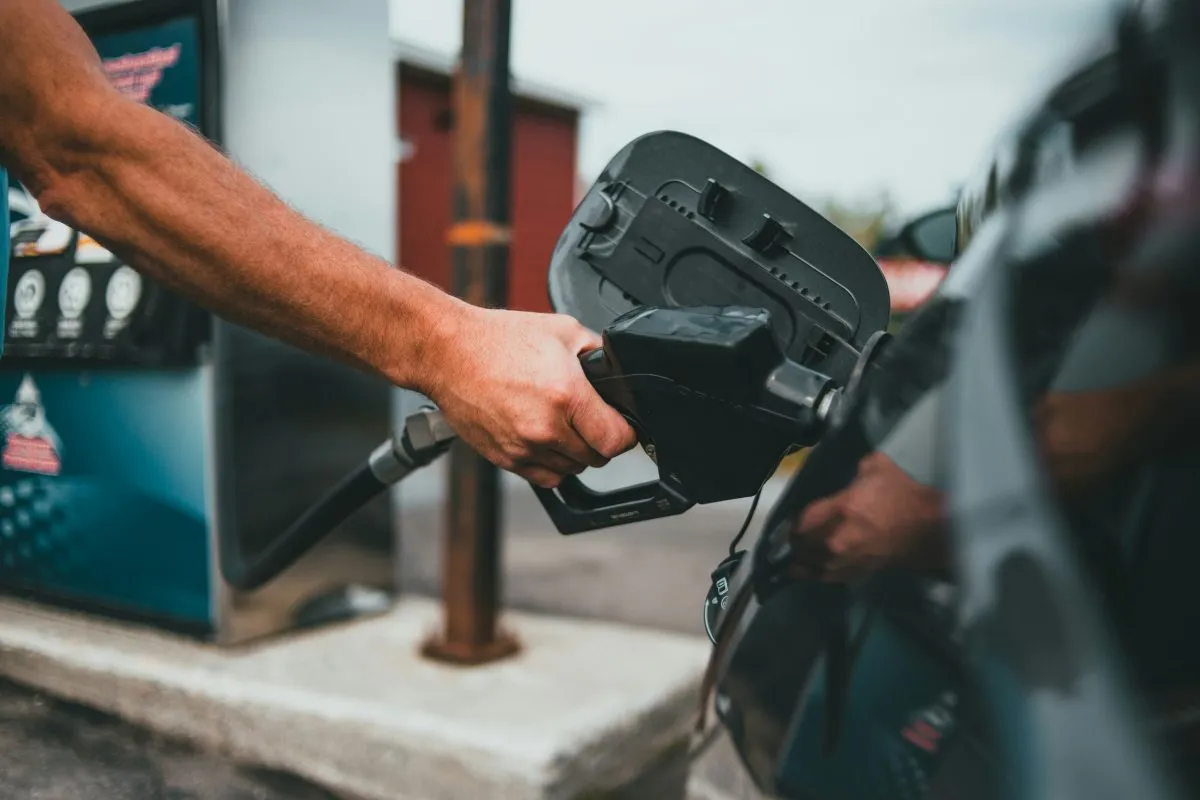
The Vamos political coalition has formally called on Panama’s government to temporarily suspend the tax on diesel fuel. The group issued the proposal this week as a direct response to soaring fuel prices that are straining the national economy. These rising costs are creating widespread pressure on transportation, agriculture, and food prices for Panamanian citizens.
📑 Table of Contents
In an official statement, the coalition described the diesel price increase as an intensified problem with deep consequences. The document argues that the high cost of diesel directly inflates the price of essential goods and services across multiple sectors. Every link in the supply chain, from fishing boats to farm equipment and delivery trucks, faces higher operational costs when fuel prices climb.
The coalition’s statement was unequivocal about the broad impact.
“When diesel goes up, the cost of living goes up,” the document states. [Translated from Spanish]
While past government measures have attempted to soften the blow, Vamos leaders now consider those efforts insufficient for the current economic climate. They insist that new, comprehensive actions are urgently required.
Two-Pronged Strategy for Economic Relief
The coalition’s plan focuses on two immediate initiatives. First, they advocate for a temporary elimination of the tax applied to diesel fuel. This move is framed as a direct economic relief measure that would lower costs at the pump. Second, they propose establishing a technical working table convened by the executive branch.
This proposed committee would bring together representatives from various impacted industries. The goal is to develop long-term structural solutions rather than applying temporary fixes. coalition Vamos positions this as a necessary step for crafting a unified national vision to handle volatile energy markets.
Coalition leader Juan Diego Vásquez emphasized his group’s readiness to collaborate. He stated that he and his team of advisors are available to the executive branch to analyze viable temporary measures. Their objective is to reduce the damage to the country’s most vulnerable economic sectors. Vásquez noted the proposal aims not only to lower production costs but also to prevent a degradation in the quality and cost of life for all residents.
The official communication places clear responsibility on the state. It underscores the Government of Panama‘s duty to evaluate and activate every possible option. The focus must remain on supporting the sectors that form the backbone of the national economy and are currently suffering the most, the statement reads.
A Call for Urgent Government Action
Vamos framed its proposal with a sense of pressing urgency. The coalition’s statement warns that this is not a time for improvisation or delayed reactions. It calls for decisive leadership and clear decision-making in the face of a mounting crisis. The message stresses that proactive steps are needed now to prevent further economic erosion.
Political figures like juan diego Vásquez are positioning their groups as cooperative partners in finding solutions. The coalition reiterated its willingness to work with the administration. They argue Panama needs responses that truly match the scale of the challenge posed by expensive fuel and its cascading effects on national stability.
The government has not yet issued a formal response to the coalition’s specific proposals. Analysts expect the administration will need to address the core issue of fuel subsidies and taxes in the coming weeks. Public pressure is building as Panamanians feel the pinch at grocery stores, on bus fares, and in their daily livelihoods. The coalition’s move places the policy ball squarely in the executive’s court, challenging them to act before the economic situation deteriorates further.