


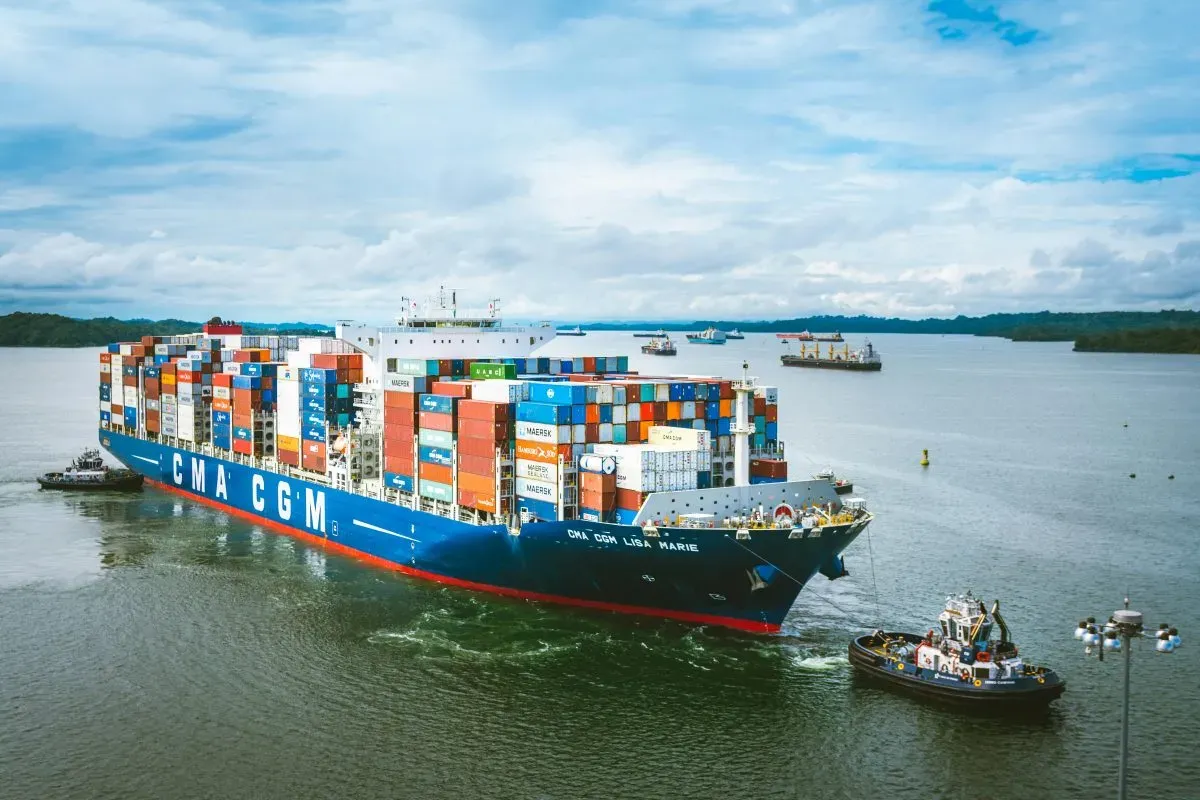
The Panama Canal recorded a significant increase in both transits and cargo tonnage during the first six months of Fiscal Year 2026. Canal officials shared the positive results during a virtual market update organized by Bank of America Merrill Lynch on Tuesday.
Ricaurte Vásquez Morales, the Canal administrator, confirmed the waterway handled 6,288 transits from October 2025 to March 2026. That represents an increase of 224 transits compared to the same period last year. Total cargo reached 254 million PC/UMS tons, roughly 5 percent higher than the 243 million tons recorded in the prior fiscal year.
Strong Performance Across Key Sectors
The numbers reflect growing demand from container ships and energy carriers. Vásquez Morales highlighted liquefied petroleum gas and container traffic as major drivers. “There is a strong performance coming from containers and Liquefied petroleum gas. Energy products are playing an important role in the volumes we are handling here at the Canal,” he said [Translated from Spanish].
Daily vessel averages climbed steadily during the period. January saw 34 ships per day. March reached 37 vessels daily. Some peak days even exceeded 40 transits. The Canal now operates with optimal water levels after recent rainfall.
“The Panama Canal is open and fully operational, thanks to the effort of some nine thousand Panamanians who keep this waterway open. In the midst of all the geopolitical complications occurring in the world, the changes and various factors associated with international trade, the Panama Canal remains open and reliable. Especially now with water levels at an optimal level, we are accommodating an ever-increasing volume of traffic,” said Vásquez Morales [Translated from Spanish].
Auction Prices Rise Amid Geopolitical Tensions
Victor Vial, the Canal’s vice president of Finance, addressed recent auction price increases. Some vessels have paid over one million dollars for transit slots. But Vial stressed these figures reflect temporary demand spikes, not permanent changes.
Before the Middle East conflict, average auction prices ranged between $135,000 and $140,000. After the conflict began in March and April, that average jumped to $385,000. The Canal offers between three and five daily slots through its auction mechanism.
Most ships book transits well in advance using the Long-Term Slot Allocation system or the specific 1a system for LNG carriers. This prevents long queues and provides certainty for customers. “Auctions use specific time slots already incorporated into the Canal schedule, without affecting vessels with confirmed reservations or altering the established transit order,” Vial explained [Translated from Spanish].
Water Management and Drought Preparedness
Water availability remains a top priority for Canal management. Ilya Espino de Marotta, the Deputy Administrator and Sustainability Officer, outlined preventive measures taken against potential drought conditions. The Panama Canal Authority has monitored El Niño patterns since early this year.
Unusual rainfall during the dry season has kept Gatún and Alajuela lakes at maximum levels. The goal is to maintain these reserves through the next dry season. “We do not foresee anything significant between now and December, but we continue monitoring. We want to keep the lakes at the highest possible level for the next dry season, in order to provide a high-quality service,” Espino de Marotta said [Translated from Spanish].
The update comes amid shifting global trade patterns. Recent disruptions in the Middle East have diverted some shipping traffic toward the Canal. The waterway’s management team, including squez morales and ilya espino, continues to evaluate market conditions.
Canal officials also discussed progress on port initiatives, a planned gas pipeline, the logistics corridor project, and the Río Indio water reservoir. These long-term investments aim to secure the Canal’s competitive position for decades to come.