



Panama City, Panama – President José Raúl Mulino has returned three legislative bills to the National Assembly of Panama without his signature. The President cited constitutional and procedural flaws in all three proposals. The move forces lawmakers to reopen debates on legislation covering bank debt, municipal taxes, and government office rents. Mulino sent formal objections to Assembly President Jorge Luis Herrera on Tuesday. His office described the bills as both “inconvenient” and “unconstitutional” in their current forms.
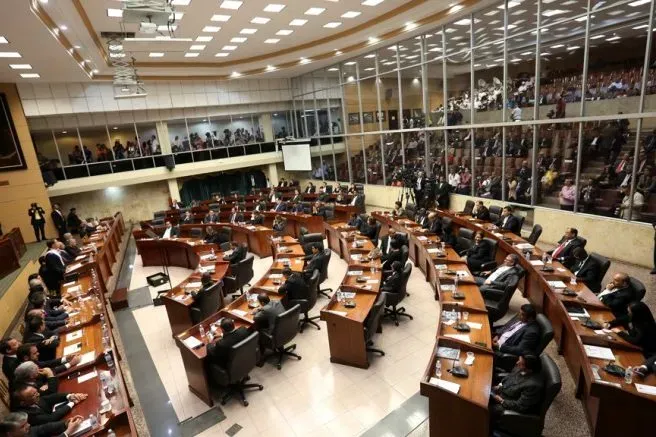
Bank Debt Bill Rejected in its Entirety
The strongest rejection came for Bill 388. This proposal would have allowed banks and financial entities to administratively recognize the statute of limitations on debts. The Executive Branch objected to the entire initiative. Government lawyers warned of negative impacts on the credit market. They said the bill created conflicts with existing banking regulations. The proposal also contradicted laws governing financial companies, officials stated. Most critically, the administration argued the bill violated the Separation of powers doctrine. “This project invades exclusive functions of the Judicial Branch,” the President’s note stated. [Translated from Spanish] “It also affects the constitutional right to due process.” [Translated from Spanish]
The Executive Branch cannot accept legislation that oversteps constitutional boundaries between state powers. These objections protect the fundamental structure of our democracy. [Translated from Spanish]
Municipal Tax Changes Face Scrutiny
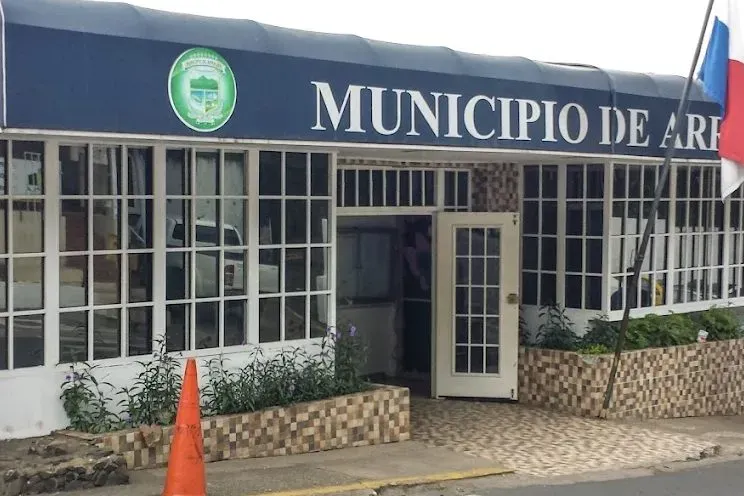
Bill 233 of 2025 did not escape review either. This legislation sought to modify how municipalities administer and collect local taxes. President Mulino raised objections of inconvenience for several articles. One specific article received a full unconstitutionality objection. The Executive believes these changes would create legal inconsistencies. They would also damage the existing regulatory framework for municipal taxation. Government analysts found the bill’s language too broad. Some provisions could allow municipalities to override national tax policy. That would create chaos for businesses operating across multiple jurisdictions.
Government Rent Reduction Bill Sent Back
Bill 249 of 2026 aimed to reduce spending on state office rentals. This seemed like a cost-saving measure on its surface. The President only partially objected to this proposal. His concerns focused on the inclusion of the Comptroller General’s Office in certain provisions. The Executive argued this interfered with constitutional budget authority. “Some articles compromise the Executive’s power to prepare the General State Budget,” the President wrote. [Translated from Spanish] The Constitution grants the President of Panama exclusive authority over budget formulation. Lawmakers cannot dictate specific spending reductions without executive approval. That would create a dangerous precedent for fiscal management.
Next Steps for the National Assembly
All three bills now return to the National Assembly for reconsideration. Lawmakers face three choices. They can accept the President’s objections and modify the legislation. They can override the veto with a two-thirds majority vote. Or they can simply let the bills die. The national assembly will need to schedule debate time for each bill. That process could take weeks or months depending on political will. Political analysts expect difficult negotiations ahead. The Mulino administration has shown it will defend executive authority aggressively. Lawmakers pushing for popular reforms on debt relief and rent reduction face an uphill battle. Banking industry representatives praised the veto of Bill 388. They said administrative debt forgiveness would have destabilized the financial system. Consumer advocates expressed disappointment, arguing the bill protected struggling borrowers. The municipal tax bill drew mixed reactions from local governments. Some mayors wanted more autonomy in tax collection. Others feared the changes would create administrative nightmares. For the rent reduction bill, government employees welcomed the cost-cutting intent. But budget experts warned that poorly designed savings could backfire. Moving agencies could actually increase costs in the short term. President Mulino has now vetoed seven bills since taking office. His administration emphasizes legal rigor over legislative speed. “We will not sign laws that violate our Constitution,” a presidential spokesperson stated. [Translated from Spanish] “No matter how popular they might be.” [Translated from Spanish]