


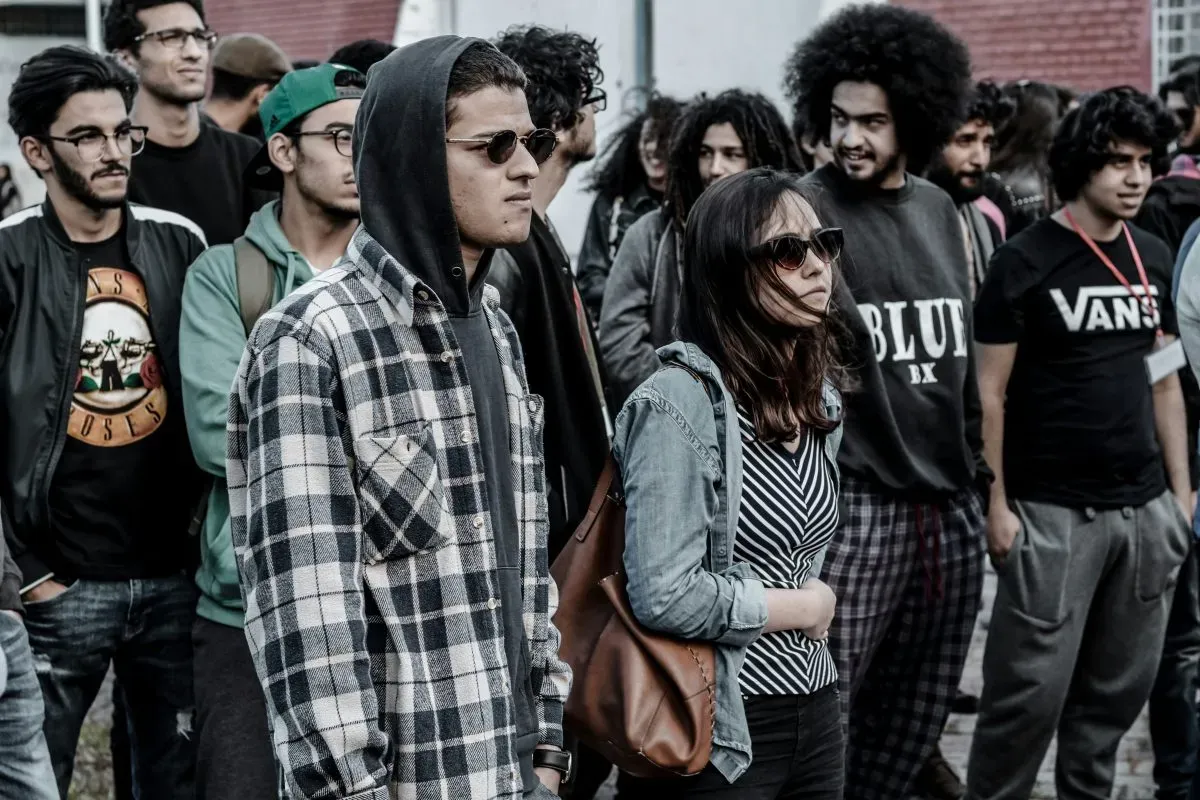
Panama City, Panama – More than 113,000 young Panamanians now lack formal employment. The Instituto Nacional de Estadística y Censo reports that 54 percent of youth employment falls into the informal sector. The data reveals a deepening crisis for workers aged 15 to 29.
Young people represent 23 percent of the workforce. Yet they account for nearly half of all unemployed individuals in the country. The situation has worsened significantly over the past year.
Youth Unemployment Rate Surges Past National Average
The youth unemployment rate jumped from 17.8 percent in October 2024 to 20 percent by September 2025. That figure more than doubles the national average of 10.4 percent. Young women face even steeper challenges with a 25.4 percent unemployment rate compared to 16.5 percent for young men.
Among the 113,347 unemployed youth, 52,064 fall between ages 20 and 24. Many of these individuals are recent university graduates or have completed secondary education. Another 40,905 unemployed workers are between 25 and 29 years old.
“So far this century, the Panamanian state has invested more than $44 billion in education. However, the alienation of our young people from the labor market is a structural and systematic phenomenon that tends to worsen. It is urgent to objectively measure the magnitude and extent of this problem.” [Translated from Spanish]
René Quevedo, a labor market expert and business consultant, issued this warning. He noted that two decades ago, young people represented one in every four new jobs created by the Panamanian economy. The situation has reversed dramatically.
Economic Growth Leaves Young Workers Behind
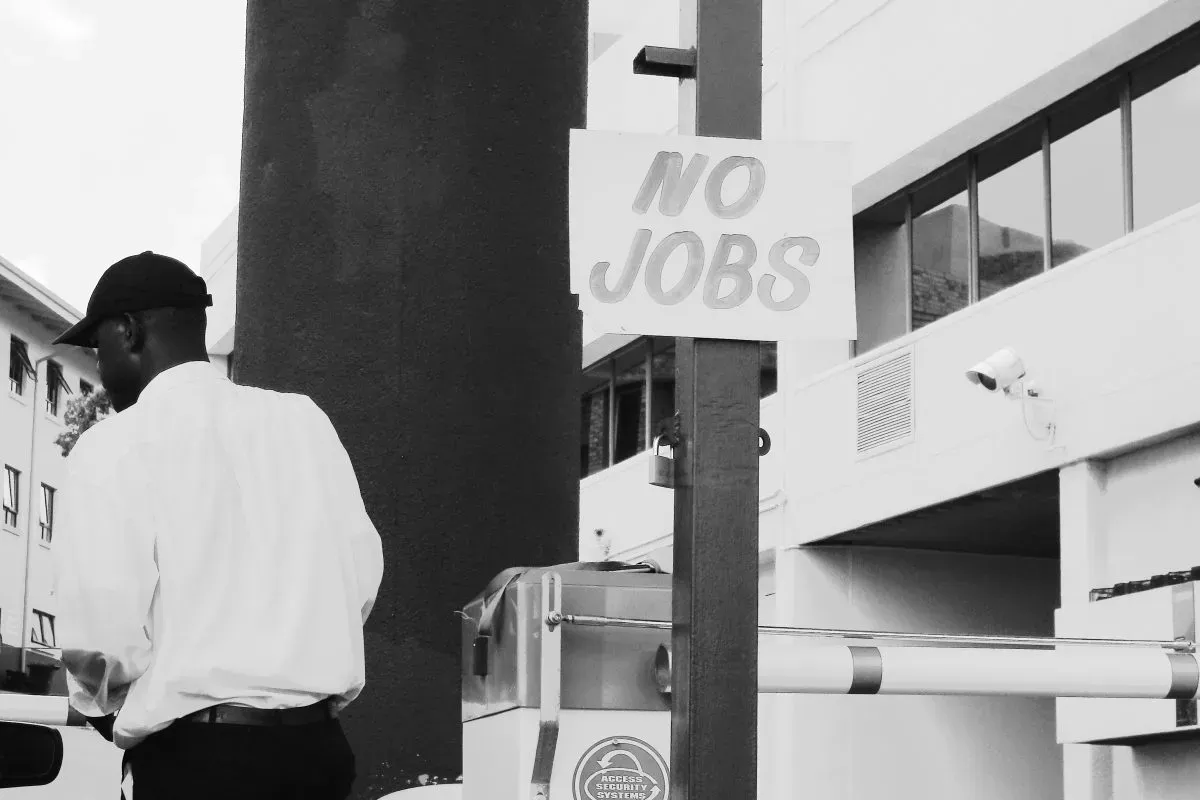
Quevedo explained that for every 10 jobs created today, three young workers lose their positions. This demonstrates a growing exclusion process in the labor market. In 2025, the economy generated more than 70,000 jobs. Yet at least 5,000 young people lost their jobs during the same period. Another 8,000 began searching for work without success.
The Youth unemployment crisis reflects a disconnect between education systems and economic needs. The Informal economy absorbs 54 percent of young workers who do find employment. Those who secure formal positions earn an average of $815 per month. Only 13 percent access professional roles with salaries exceeding $1,000.
Economist Luis Morán expressed concern about these trends. He stated that youth unemployment now doubles the national average.
“In the diagnosis of the labor market, we observe a low labor supply for this population group. There is a pressing need to link education and work to promote insertion. The connection with universities must be strengthened to foster digital skills that the market demands.” [Translated from Spanish]
Experts Call for Strategic Shift in Youth Employment
Morán warned that one of the main challenges involves generating real opportunities for young people, especially through entrepreneurship. Many continue entering traditional saturated sectors with high competition. This limits their growth potential.
The economist recommended guiding new generations toward areas with greater potential. These include logistics, rural and sports tourism, agro-industries, and creative industries. He considers these sectors strategic for Panama’s economic development.
Morán insisted on expanding options for young workers. He called for strengthening dual training programs, promoting opportunity-driven entrepreneurship, and consolidating links between businesses and academia. Without real job offers from the private sector, training efforts remain insufficient. This disconnection could worsen youth unemployment and increase pressure on state subsidies.