


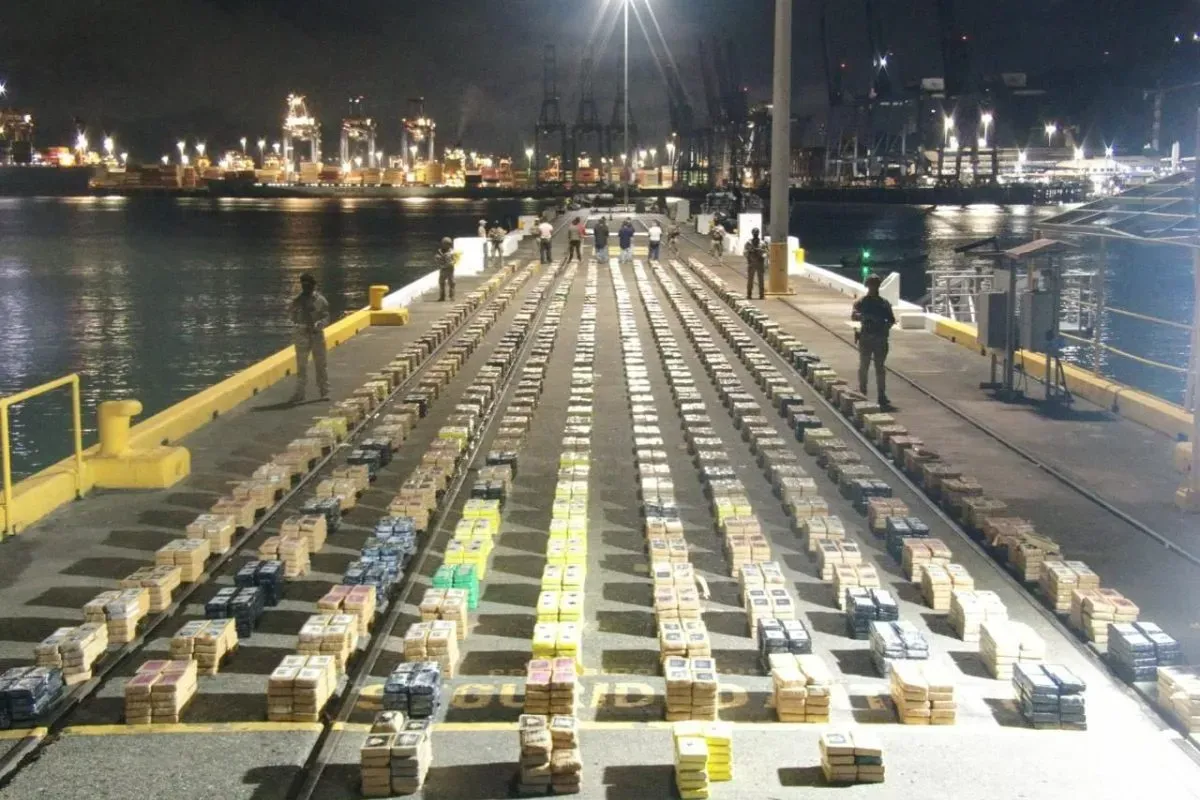
Authorities in Panama intercepted a shipping container at a port in Colon province on Tuesday. The container held 739 packages of suspected illegal drugs hidden among legitimate cargo.
The container had tracking data showing it originated in Panama. Its final destination was listed as Venezuela. Officials from the National Anti-Drug Directorate (DNA), the Tactical Anti-Drug Operations Unit (UTOA), and the Public Ministry worked together on the seizure.
Suspicious cargo was detected through intelligence work and port surveillance. Agents found rectangular packages with different logos during the inspection. These logos are reportedly used by criminal networks to identify shipments within their organization.
The discovery adds to a series of operations over the past 72 hours. Authorities reported seizing 2,460 packages of suspected drugs in total. They also arrested 32 people linked to drug trafficking and micro-trafficking offenses.
Major Operations Yield Significant Results
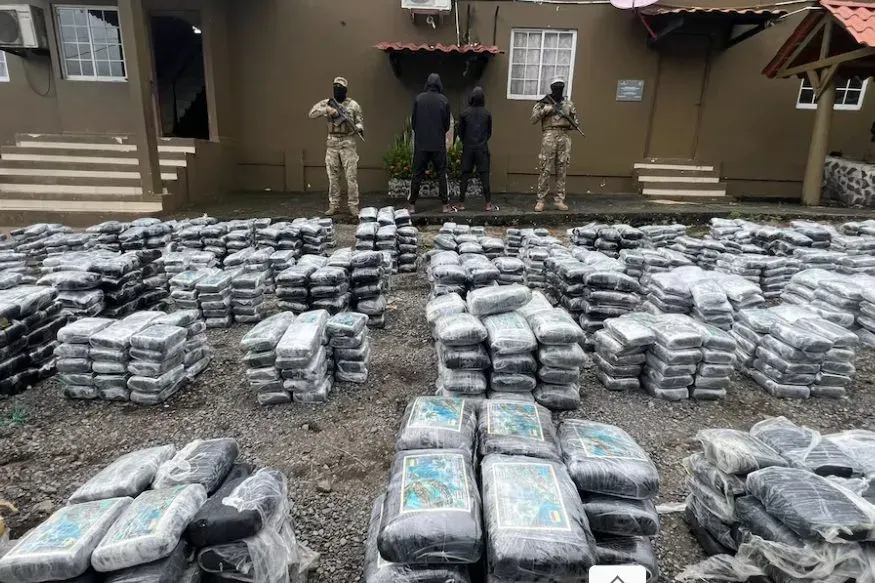
One of the biggest recent blows came in Chiriqui province. The operation, called Operation Horizon, resulted in the seizure of 1,320 packages of suspected illegal substances. Four people were captured during that raid. Five vehicles were also taken into custody by authorities.
Another operation, called Operation Courier, took place at various points in the capital city. Fourteen people were arrested for their alleged involvement with international drug trafficking networks. These arrests happened simultaneously across multiple locations.
“Criminal organizations continue to use Panamanian ports and maritime routes to move illicit shipments toward other countries,” said a spokesperson for the Public Ministry. [Translated from Spanish]
Authorities maintain that these networks adapt quickly. They change shipping methods and routes to avoid detection. Port security measures are constantly being updated to counter these threats.
Year-to-Date Statistics Show Growing Enforcement
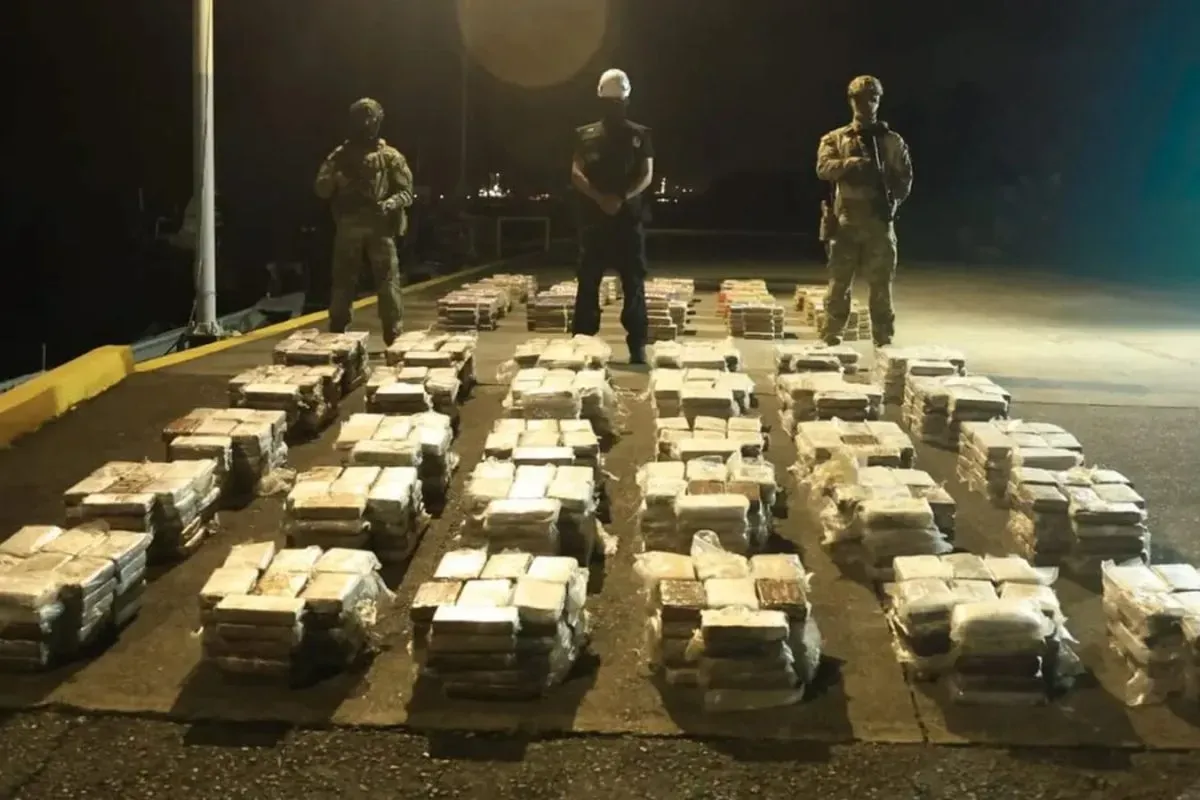
The National Police reported that 8,614 packages of suspected drugs have been seized so far in 2026. These seizures occurred across different anti-drug operations nationwide. Each operation targets different parts of the trafficking chain.
The National Aeronaval Service (Senan) provided additional details. That agency has executed 39 anti-narcotics operations this year. Results include more than 25 tons of drugs seized, including both cocaine and marijuana.
These operations form part of intelligence and control strategies developed by Panamanian authorities. The goal is to combat transnational criminal structures dedicated to drug trafficking. The Colon Panama port area remains a focus for enforcement efforts.
Ports in Colon province serve as major transit points for global shipping. The Panama Canal brings vessels from around the world through these waters. This geographic advantage also creates vulnerabilities that traffickers exploit.
Officials confirmed that investigations are ongoing. They are working to identify the individuals and networks behind the latest container seizure. Forensic analysis of the packages will help trace the drugs back to their source.
The Public Ministry stated that prosecution efforts will target everyone involved. This includes logistics coordinators, shipping agents, and the criminal leaders who organize the shipments. Penalties for drug trafficking in Panama carry significant prison sentences.
Panama’s strategic position between North and South America makes it a key transit country. The nation’s law enforcement agencies collaborate with international partners. These partnerships include information sharing and joint training exercises.
The recent seizures demonstrate the effectiveness of intelligence-led policing. Authorities are using data analysis to predict trafficking patterns. They are also investing in technology to scan containers more thoroughly.
Drug trafficking remains a serious challenge for the region. The profits from illegal narcotics fuel corruption and violence. Panama’s government has made combating this issue a national priority.
Local communities in Colon and other port cities are affected by trafficking activities. The government has implemented social programs to provide alternatives for at-risk youth. Economic development initiatives aim to reduce the appeal of criminal work.
The successful seizures in recent days send a clear message to criminal organizations. Panamanian authorities are watching. They are ready to intercept shipments and arrest those responsible.