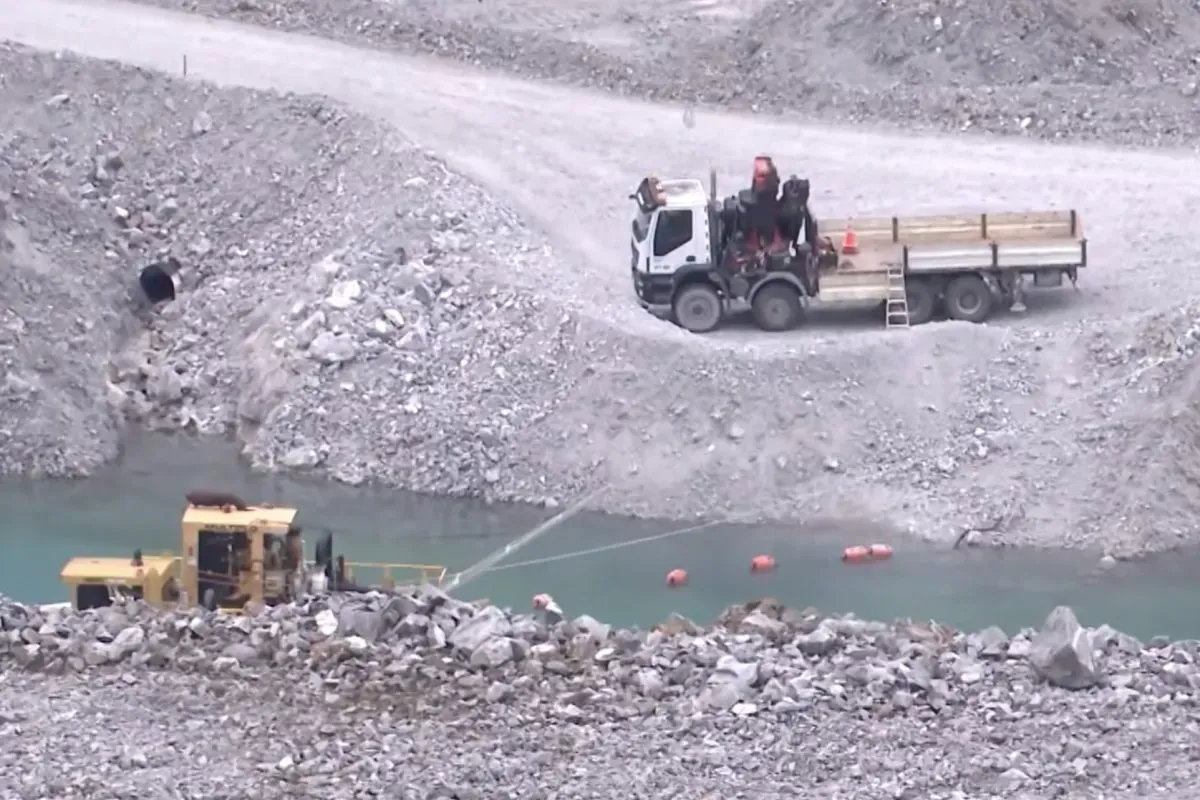
Panama’s economy could receive a major boost in 2026. A new research report from Bank of America Securities identifies the potential reopening of the Cobre Panama copper mine as the country’s most significant positive economic event. The report, titled ‘Panama Watch of BofA Global Research,’ comes after analysts met with officials, bankers, and business leaders during a visit to the country.
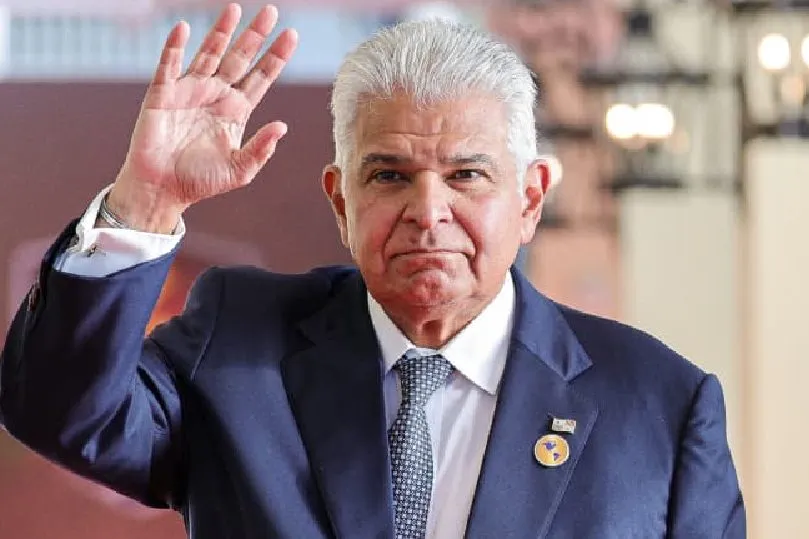
President José Raúl Mulino is expected to make an announcement next month. The report states there is a “higher probability” the mine will restart within six to twelve months. At the very least, the executive branch could announce the start of formal negotiations. “The key positive risk event of 2026 is the possible reopening of the mine,” the document highlights [Translated from Spanish].
President Mulino has indicated he will make a decision in June. That announcement might be backed by the results of an ongoing environmental audit of the mining project. Public sentiment appears to be shifting. Surveys from Gallup and Data Consulting Group now show more than 50% of the population would support reopening the mine. This is a dramatic reversal from 2023 when rejection rates stood between 80% and 90%.
Shifting Public Opinion and Government Signals
The bank argues that groups leading the 2023 protests now have less mobilization capacity. These include unions, teachers, and student organizations. The government has also sent clear signals of rapprochement toward First Quantum Minerals, the Canadian company behind the project.
Recent decisions include authorization to sell stored copper concentrate. Officials have also granted permission to process and commercialize copper reserves during 2026. “Residents see this as a soft reopening and another symbol of the Mulino administration’s good faith to deal with the mining sector,” the report states [Translated from Spanish].
The mine directly represents about 3% of Panama’s Gross Domestic Product. When indirect effects are included, that figure rises to roughly 5% of the national economy.
The mine’s closure in late 2023 following massive protests created significant economic ripples. A successful restart would reverse those losses. Bank of America sees this as a catalyst for further compression of bond spreads. The report also highlights the Panama Canal as a key buffer against global economic turbulence.
Canal Revenues Rise Amid Global Tensions
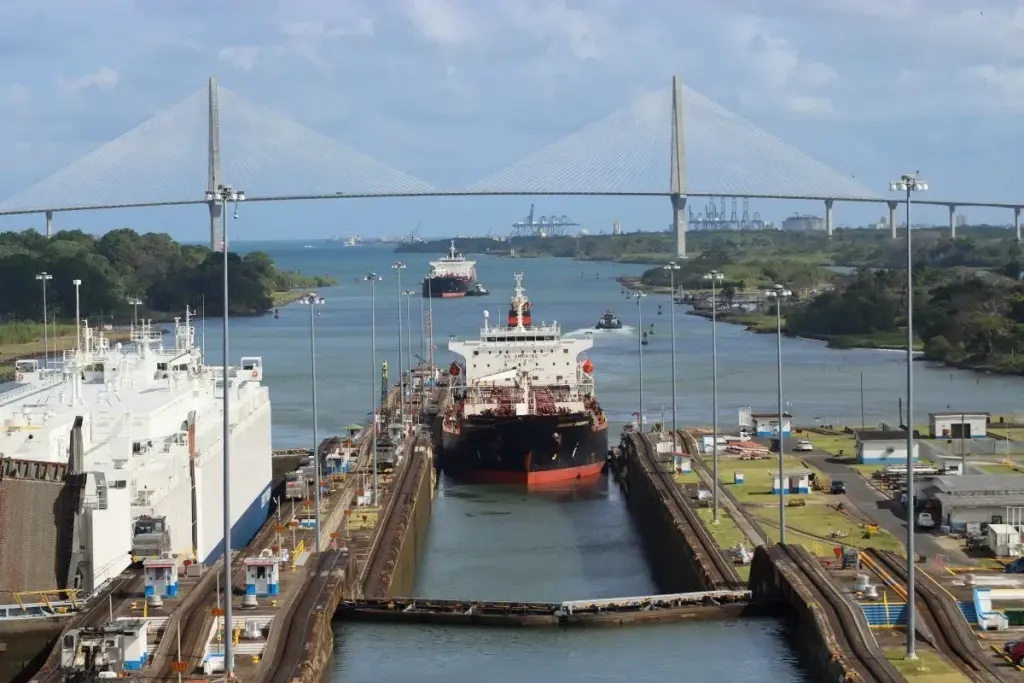
The Panama Canal is performing strongly. Higher oil prices and disrupted international trade routes have boosted traffic through the interoceanic waterway. The report notes the Canal recorded 10% year-on-year revenue growth in the first six months of fiscal year 2026.
Daily transits have increased from 34 vessels to between 40 and 41 ships. “The current scenario is a sweet spot for the Panama Canal,” the bank emphasizes [Translated from Spanish]. BofA estimates the Canal’s dividend to the state could exceed $3.2 billion. This could offset increased fuel subsidies linked to the Middle East conflict.

Panama Fiscal Deficit Reduction Gains Momentum
The report also praises Panama’s fiscal performance. The country reduced its non-financial public sector deficit from 6.2% of GDP in 2024 to 3.7% in 2025. In the first quarter of 2026, that figure dropped further to 3.5%, aligning with the government’s target. “The fiscal adjustment taking place in Panama is considerable,” the report notes [Translated from Spanish].
This Panama fiscal deficit reduction has been a key priority for the Mulino administration. Bank of America maintained its “Marketweight” recommendation on Panama’s external debt. The bank believes markets have already priced in much of the positive outlook related to mining, fiscal discipline, and the Canal.
Looking ahead, BofA expects Moody’s to maintain a negative outlook in its May review. However, the rating agency could stabilize that outlook by November if fiscal consolidation continues and mining negotiations advance. Key upside risks include the successful reopening of Cobre Panama. Downside risks include fiscal slippage, new eurobond issuance, geopolitical tensions with the United States, social protests, and international arbitration proceedings.