


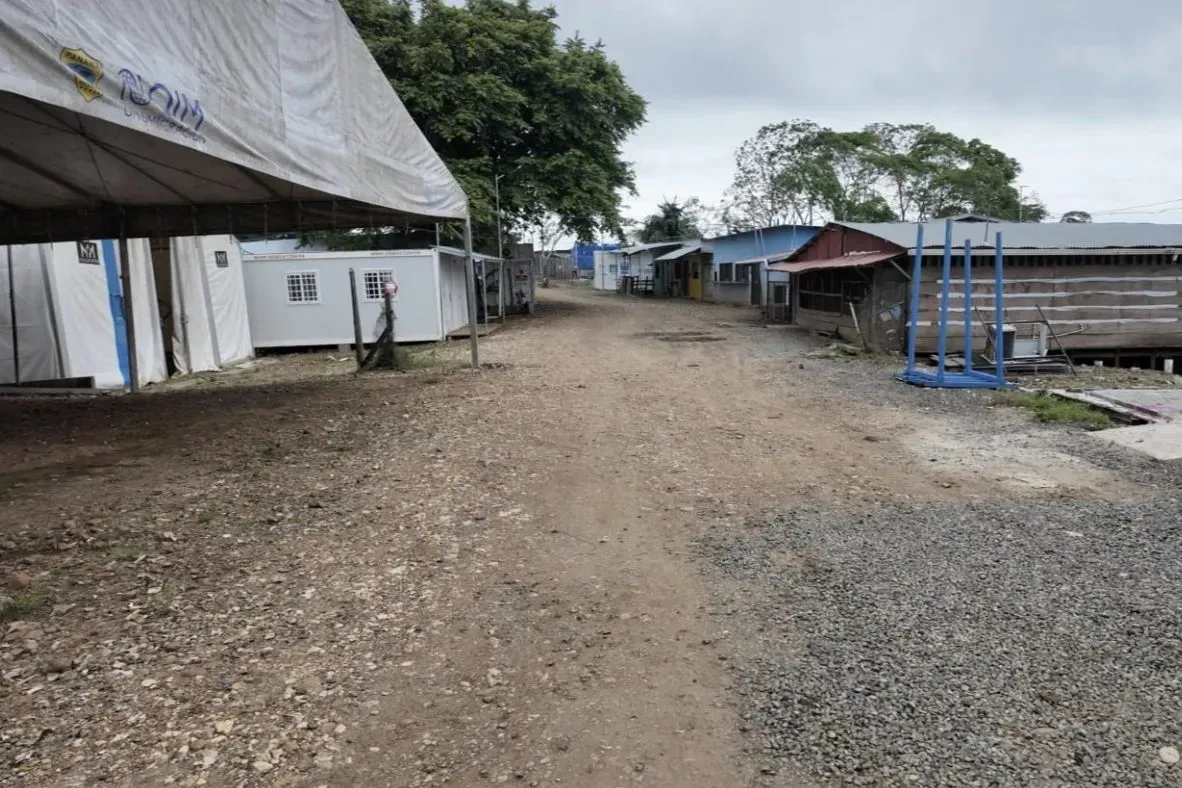
Panamanian authorities have confirmed a dramatic decrease in irregular migration through the treacherous Darien jungle. The shift follows the closure of the Lajas Blancas Temporary Migration Reception Station. Officials described the change as a turning point for regional migration dynamics.
The Darien Gap, a dense and dangerous rainforest corridor connecting Colombia to Panama, has long served as a primary route for migrants heading north. For years, thousands of people braved the perilous journey each month. But new data from the National Migration Service Panama shows a stark reversal in those numbers. The closure of the Lajas Blancas facility appears to be the main catalyst for this change.
Venezuelan Migrants Still Form the Largest Group
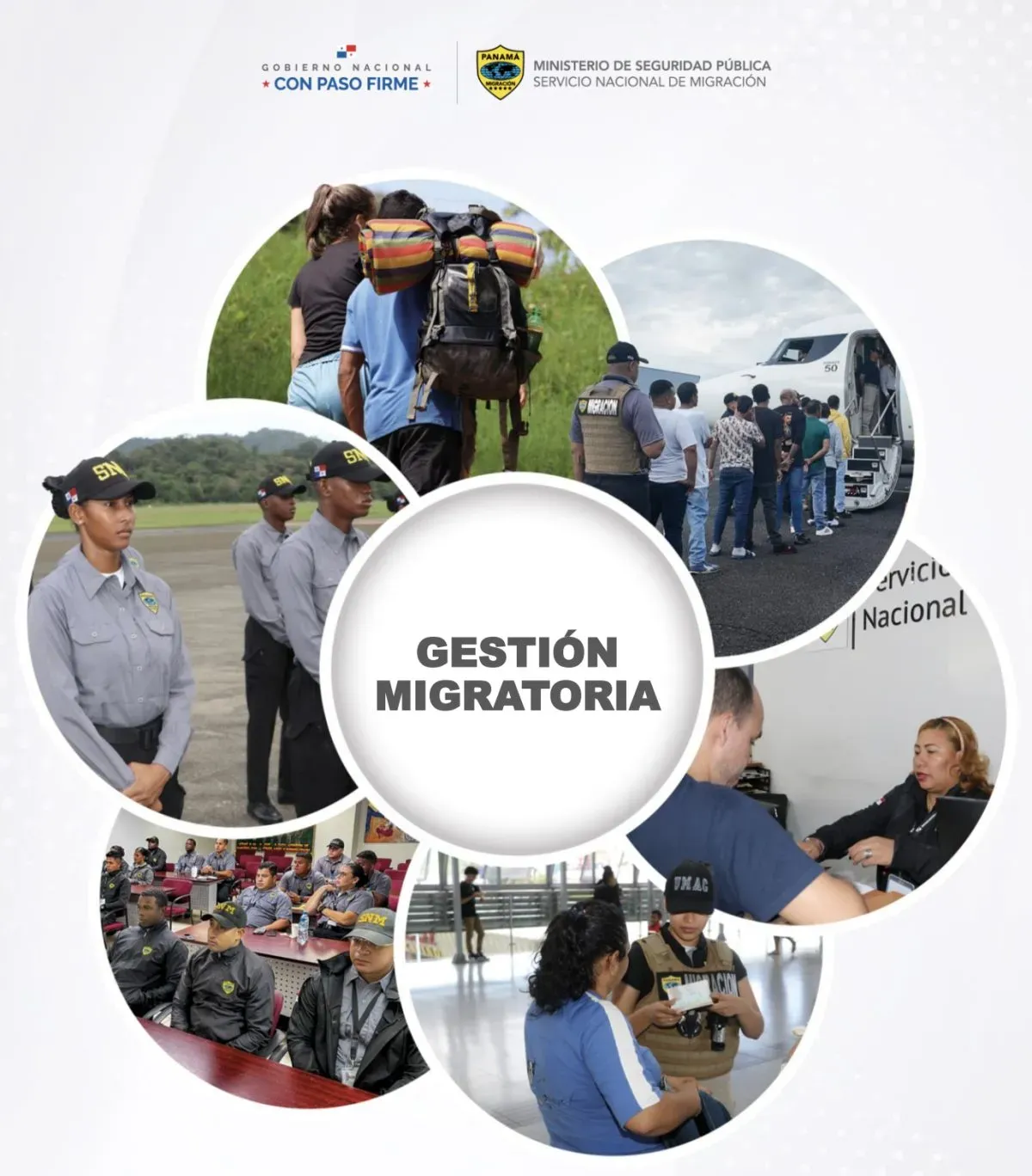
Official statistics reveal that Venezuelan nationals continue to represent the majority of those attempting the crossing. This nationality remains the primary demographic within the irregular migration flow through the border region. Yet the overall volume has collapsed. Between 2024 and 2025, authorities recorded 35,477 minors crossing the jungle. That figure represented 21 percent of all registered migrants during that period.
The situation has changed drastically. After the Lajas Blancas station shut its doors, only 36 minors were recorded in the last year. That tiny number equals just 13 percent of official arrivals. The statistics reveal a fundamental shift in one of the hemisphere’s most dangerous irregular migration corridors. Migrants had used this route for years while trying to reach North America.
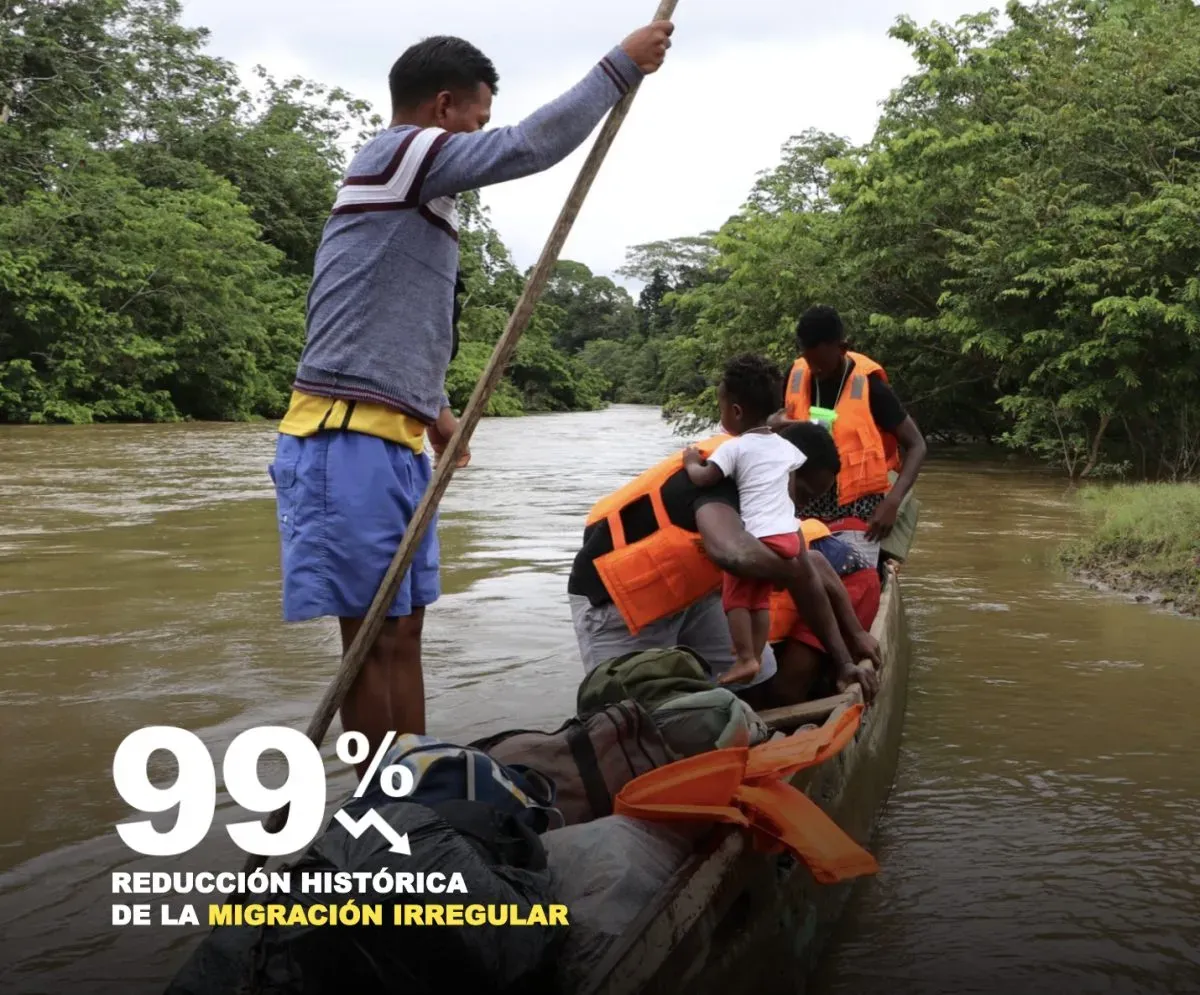
The closure of the migration station in Darien marked an inflection point in managing the migration phenomenon in the region. It directly impacted the decrease in people using this jungle route, which is considered high risk due to climatic, geographic, and security conditions. [Translated from Spanish]
Immediate Impact on Regional Migration Patterns
The closure represents more than just a policy change. It has reshaped the entire migration landscape across the border zone. The National Migration Service now faces a new reality. Fewer people means less strain on resources. But it also raises questions about where those migrants are going now.
Panama’s approach to controlling the Darien corridor has shifted dramatically. The government bet that shutting down reception infrastructure would deter crossings. That bet appears to be paying off. The reduction in minors is particularly striking. Families with children previously represented a significant portion of the migrant population. Now they are nearly absent from official counts.
Authorities continue to monitor the situation closely. The Darien Gap remains a focal point for migration policy across Central America. Other nations in the region are watching Panama’s results. The data suggests that removing reception capacity can alter migrant behavior. But officials caution that the situation could change again quickly. Weather patterns, political shifts, and economic pressures all influence migration decisions.