


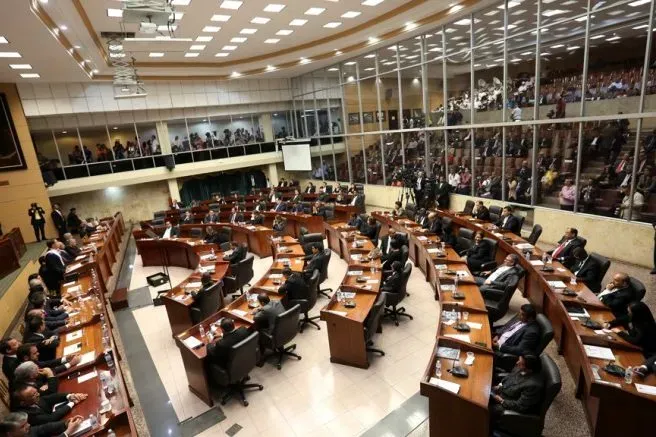
Panama’s National Assembly took a major step forward on tax reform this week. The Finance Commission approved Bill 641 in its first debate on Tuesday, March 11. The legislation modifies the Fiscal Code regarding income tax and economic substance requirements for certain passive income from foreign sources.
Finance Minister Felipe Chapman attended the session alongside Isabel Vecchio, the director of International Fiscal Financial Strategy. The commission voted unanimously, with eight members supporting the measure. The bill is part of the extraordinary sessions called by the Executive branch.
The proposal directly targets companies that generate passive income abroad. These firms would need to demonstrate genuine Economic substance requirements within Panama’s jurisdiction. The government wants to stop tax avoidance through shell companies.
Commission Chair Highlights Public Participation
Deputy Eduardo Gaitán chairs the Finance Commission. He thanked the 30 individuals and organizations that registered to discuss the bill. “This level of engagement shows the importance of this legislation for Panama’s fiscal future,” Gaitán said during the session. [Translated from Spanish]
The bill represents a response to international pressure. Global tax authorities have demanded that countries enforce substance rules. Panama’s Panama tax reform bill aims to align local law with these international standards.
“We are creating a framework that protects Panama’s financial reputation while ensuring fair taxation,” Chapman stated. “This is not about raising taxes across the board. It is about closing loopholes that allow artificial profit shifting.” [Translated from Spanish]
The legislation focuses on passive income streams. Rental income, dividends, interest, and royalties from foreign sources fall under the new rules. Companies must show they have real operations, physical offices, and local staff in Panama.
Next Steps and Immediate Impact
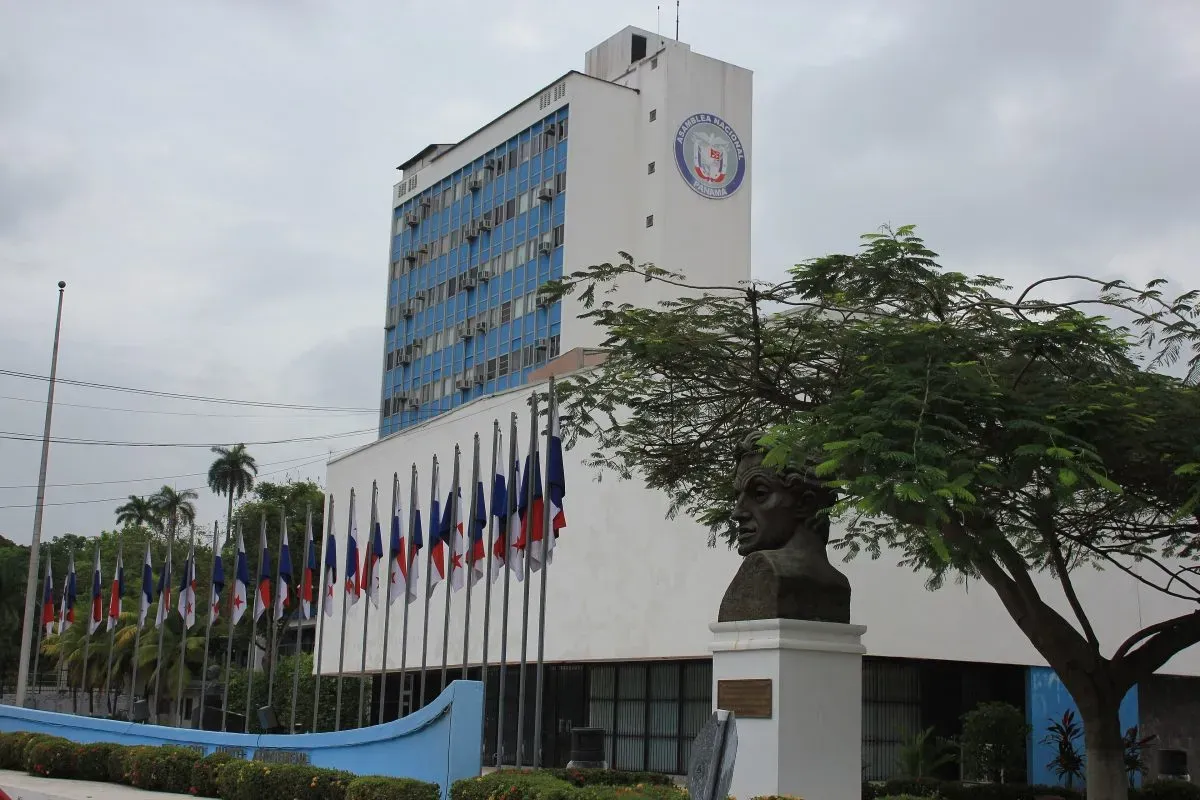
The bill now moves to a second debate in the full Assembly. Lawmakers expect additional amendments during that process. The government wants final approval before the end of the current extraordinary session.
Business groups have expressed mixed reactions. Some support the clarity the bill provides. Others worry about compliance costs for smaller firms. The Finance Ministry has promised a phased implementation period.
Panama faces scrutiny from the Financial Action Task Force and the OECD. The country wants to avoid being placed on gray lists for tax cooperation. This bill forms part of a broader reform package.
Vecchio emphasized the technical nature of the changes. “We are not inventing new concepts. We are codifying existing international best practices into Panamanian law,” she explained. [Translated from Spanish]
The bill requires companies to file annual substance reports. Failure to comply could result in penalties or loss of tax benefits. Foreign-owned entities face the strictest requirements under the proposed rules.
Observers expect the second debate within two weeks. The Assembly calendar shows several tax-related items pending. The economic substance bill remains the priority for the Finance Commission this month.