


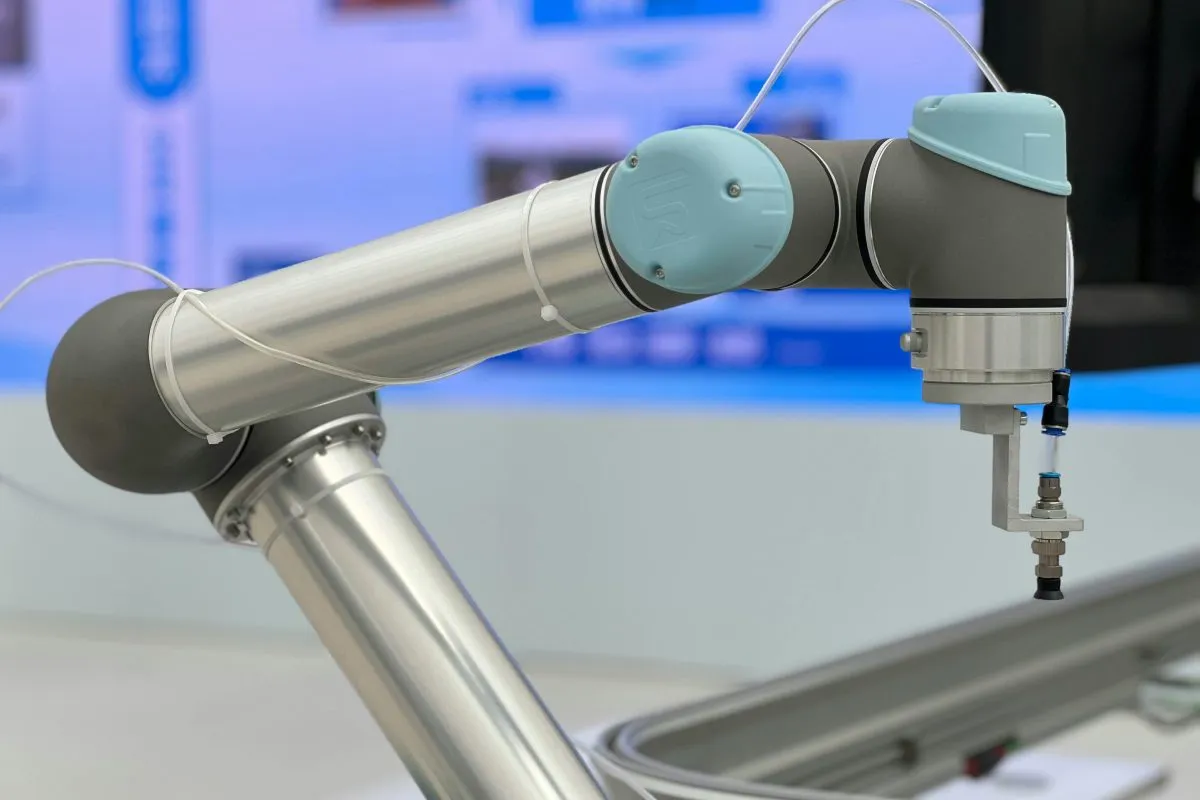
Panama’s Caja de Seguro Social will activate its first high-end robotic surgery unit this Thursday. The launch takes place at the Ciudad de la Salud medical complex in Panama City. Two radical prostatectomies are scheduled for patients diagnosed with prostate cancer. [Translated from Spanish]
General Director Dino Mon Vásquez confirmed the milestone. He stated the technology expands access to complex procedures for the Panamanian population. The system represents a major step forward for public healthcare in the country.
High-Tech Surgery Begins Thursday Morning
The first operation starts at 8:00 a.m. Surgeons will perform a radical prostatectomy with robotic urethrovesical anastomosis. Dr. Marcos Young leads the team. He serves as the national executive director of Health Services and Benefits for the Social Security Fund. Specialists Dr. Elías Bodden and Dr. Vianette Montagne will assist. A second radical prostatectomy is scheduled for 12:00 p.m. Dr. Jean Carlos García and Dr. Alejandro Manduley will handle that procedure.
“We are bringing high-complexity medicine closer to more Panamanians, with technology that saves time, reduces risks and improves quality of life,” Mon Vásquez said. [Translated from Spanish]
The Social Security Fund acquired three new robotic systems total. This is the first to become operational. Officials trained specialists from multiple medical areas at Ciudad de la Salud. The robot supports urology, general surgery, gynecology and soon thoracic surgery.
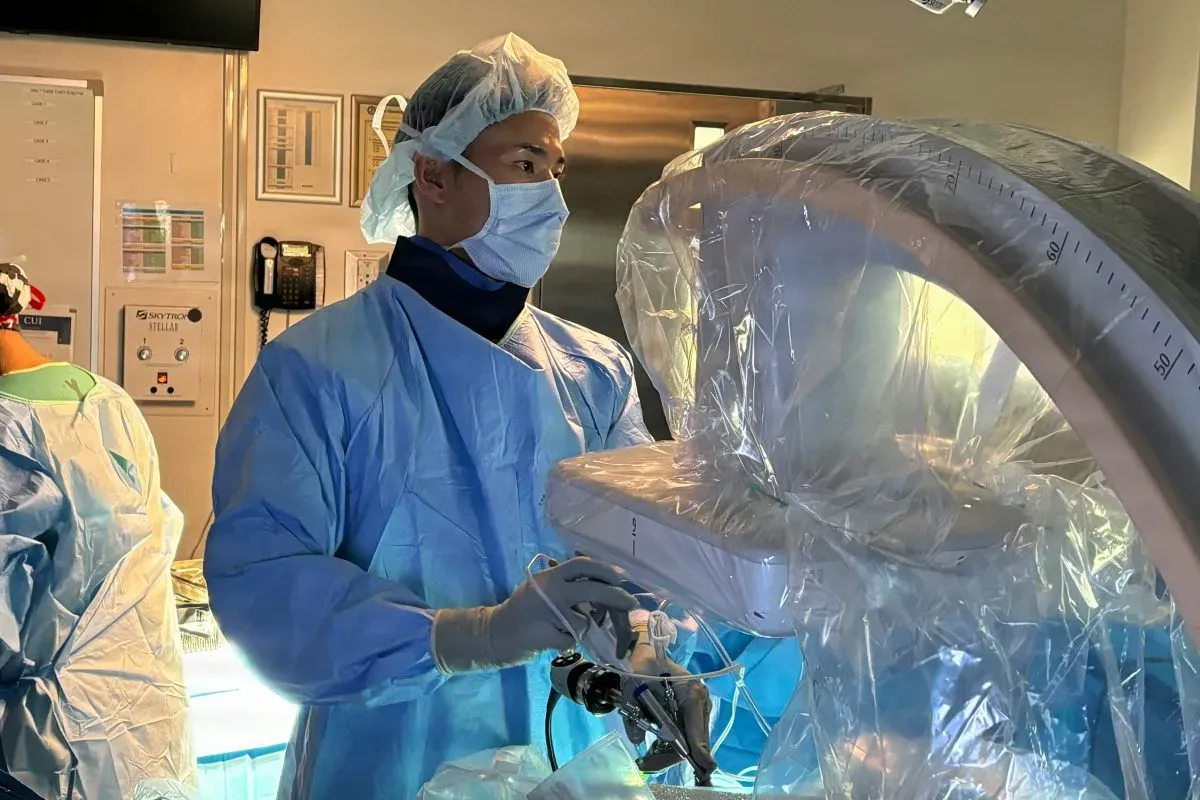
Robotic Surgery Capabilities Expand Rapidly
Dr. Young revealed that the first thoracic surgery cases using this technology will happen next week. Previous robotic units at Ciudad de la Salud could not perform thoracic procedures. This expands the range of treatments available to patients significantly.
The institution is also evaluating a telemedicine program for surgery. Remote assistance could help surgeons performing procedures in other provinces. Doctors would guide operations from Panama City using real-time video and robotic controls.
Robotic surgery offers clear advantages over traditional methods. Incisions are smaller. Blood loss decreases. Recovery times shorten dramatically. Patients often leave the hospital within days instead of weeks.
“The goal is to perform between four and five surgeries weekly in the hospitals that are part of this project: Ciudad de la Salud, Hospital Rafael Hernández and later Hospital Nelson Collado,” Dr. Young indicated. [Translated from Spanish]
Installation Plans for Two Additional Systems
The other two robotic units will be installed soon. One goes to Hospital Dr. Gustavo Nelson Collado in Herrera province. The other goes to Hospital Regional Dr. Rafael Hernández in Chiriquí province. Both facilities serve large populations in western and central Panama.
This acquisition brings the Social Security Fund‘s total operational robotic systems to five. The institution now operates one of the largest public robotic surgery fleets in Central America. Precision improves with each procedure. Less invasive techniques mean fewer complications for patients.
Dr. Young confirmed that specialists from different medical areas have already completed training. The learning curve for robotic systems is steep but manageable. Surgeons must log dozens of supervised hours before operating independently.

Impact on Patient Care and Recovery
Prostate cancer patients benefit most immediately from this technology. Radical prostatectomies using robotic assistance show better outcomes. Cancer removal rates remain high while side effects decrease. Erectile function and urinary control often recover faster.
The Social Security Fund continues modernizing its healthcare infrastructure. Digital prescriptions and robotic surgery represent two pillars of this transformation. Patients across Panama will gain access to treatments previously available only in private clinics or abroad.
Thoracic surgery cases will begin next week. Lung biopsies, tumor resections and other chest procedures become possible with the new system. Doctors can reach difficult areas with greater accuracy. Healthy tissue remains untouched more often than in open surgery.
The telemedicine program remains in evaluation. Technical requirements include high-speed internet connections and specialized cameras. Rural hospitals would need upgrades to participate. Officials did not provide a timeline for implementation.
Panama’s public health system serves millions of citizens and residents. The Ciudad de la Salud complex opened in 2022 as a flagship facility. It consolidates specialized services under one roof. Robotic surgery adds another layer of capability to this already advanced medical center.