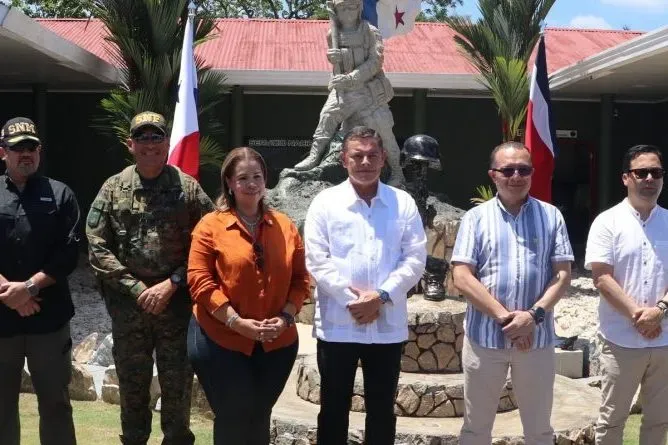
High-level security officials from Panama and Costa Rica met this week in Chiriquí Province to reinforce bilateral cooperation on border security and migration control. The meeting addressed joint strategies for common regional challenges. Panama’s Minister of Public Security, Frank Alexis Abrego, and Costa Rica’s Minister of Governance and Police, Gerald Campos Valverde, led the discussions.
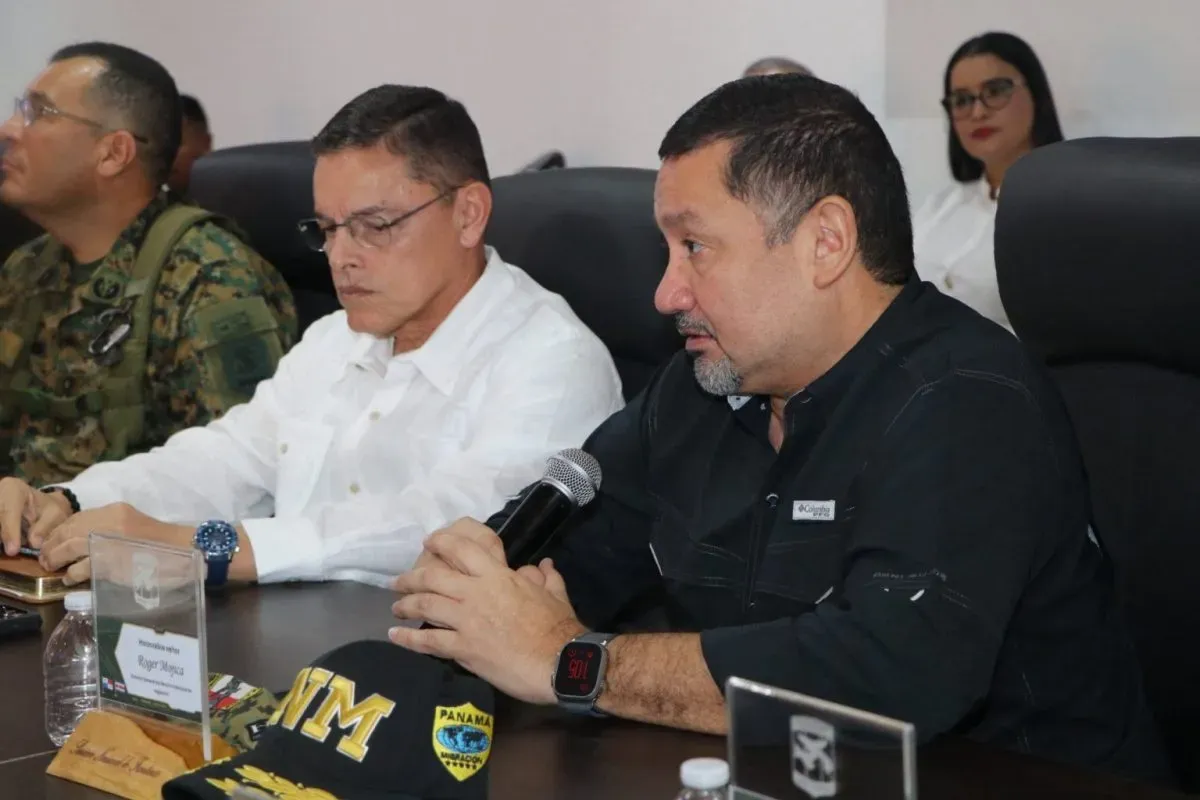
National and provincial authorities attended the working session. They focused on strengthening control posts, increasing intelligence capabilities, and reinforcing patrols along the shared border. The goal is to optimize coordinated operations between security and migration entities. Roger Mojica Rivera, Director General of Panama’s National Migration Service, participated to reaffirm the institution’s commitment to stronger migration control mechanisms.
Officials Detail Bilateral Security Strategy
The meeting produced a clear action plan. Both nations agreed to enhance information sharing and conduct joint operations. Criminal networks often exploit porous borders, and officials want to close those gaps. “We are building a unified front against transnational crime,” Minister Abrego said. [Translated from Spanish]
“This cooperation allows us to share real-time intelligence and coordinate patrols more effectively. Our citizens deserve safe borders.”
Minister Campos echoed that sentiment. He emphasized that Costa Rica views the partnership as essential. “Panama is not just a neighbor. It’s a strategic ally in Central American border security cooperation,” Campos stated. [Translated from Spanish]
Migration Control Takes Center Stage
Migration remains a pressing issue for both countries. The Darién Gap has seen record numbers of migrants crossing northward. Panama has struggled to manage the flow while maintaining humanitarian standards. Director Mojica outlined new protocols during the session. “We are modernizing our Panama migration control systems. Technology will help us screen travelers faster and share data with Costa Rica,” Mojica explained. [Translated from Spanish]
The two countries will launch pilot programs at key border crossings. These programs test biometric screening and advanced document verification. Officials expect these tools to reduce illegal crossings while speeding up legitimate travel.
Next Steps for Joint Operations
Implementation begins immediately. Joint patrols will increase in frequency starting next month. A bilateral coordination center will open in Chiriquí within 90 days. That center will host officers from both nations working side by side.
Minister Abrego confirmed that Panama will deploy additional resources to the border region. “We are allocating more personnel and equipment. This is a long-term commitment,” he said. [Translated from Spanish] The agreement marks a significant step in regional security integration. Both governments expect visible results within the first quarter of operations.