


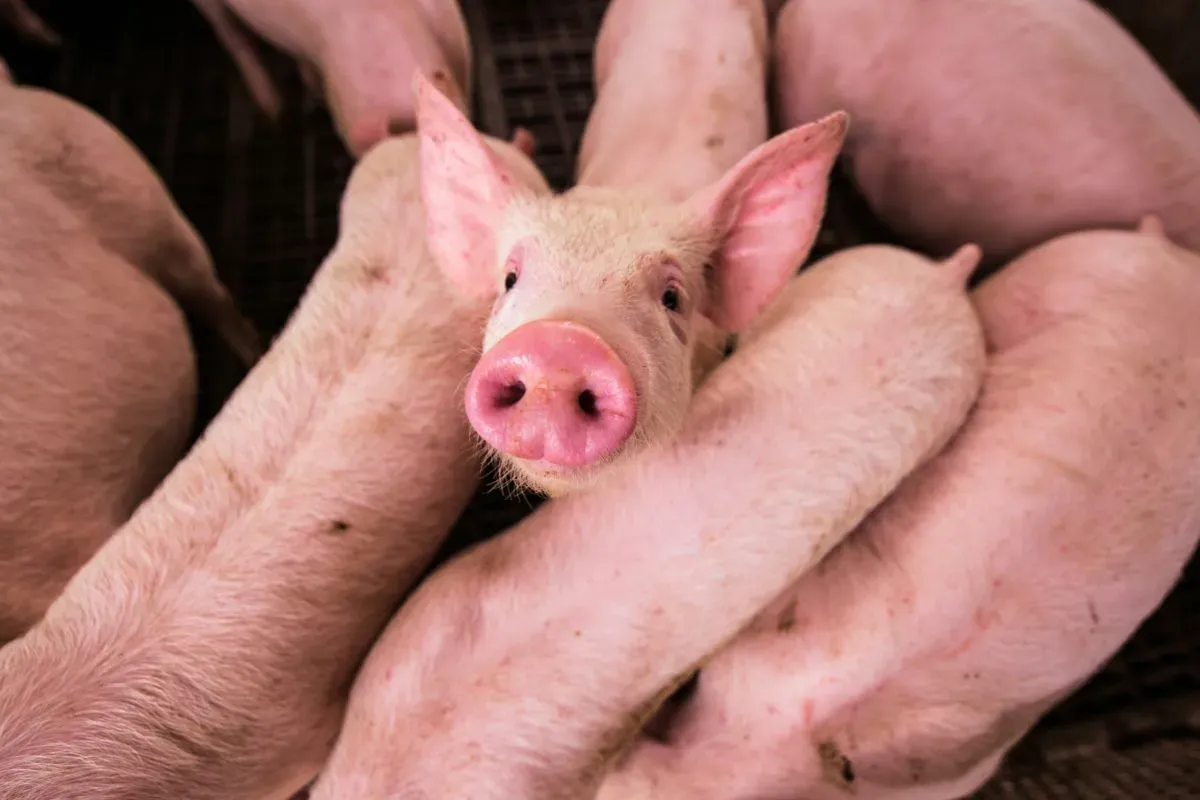
Panama’s pork industry has reached a historic turning point. After years of struggling against cheap imports, producers now face a new problem: too much pork. The sector has grown so fast that local demand can no longer absorb everything it produces.
Official data shows the scale of this shift. Between January and April 2026, slaughterhouses processed 236,964 pigs across Panama. That represents a 21.2 percent jump compared to the same period in 2025, when 195,533 animals were slaughtered. The difference equals 41,431 additional pigs in just four months.
Producers report more than 4,000 pigs currently without a commercial buyer. They warn this surplus could grow larger in coming months if new markets don’t open soon. The situation marks a dramatic reversal for an industry that once feared extinction.
From Import Flood to Production Boom
The transformation began with crisis. For years, Panamanian pork producers watched cheap imported meat flood their market. They say imports under the Panama-United States Trade Promotion Agreement far exceeded agreed limits. The deal established annual quotas around 4,000 metric tons. But producers claim actual imports sometimes reached 20,000 tons annually, and in some years nearly 25,000 tons.
Rather than collapse, the industry fought back. Producers invested heavily in genetics, feed quality, biosecurity and overall productivity. Today Panama boasts production parameters comparable to leading countries in the region, according to industry leaders.
Juan Guevara, president of the Association of United Pig Farmers of Panama (APUP), explained how pressure forced innovation. “We had to improve genetics, carcass quality, biosecurity and productivity to compete in an increasingly open market,” he said. [Translated from Spanish]
“We had to improve genetics, carcass quality, biosecurity and productivity to compete in an increasingly open market.” [Translated from Spanish]
The numbers tell the story. In 2024 the sector counted about 7,500 production units. Today nearly 10,500 operate across the country. The pork chain generates roughly 40,000 direct and indirect jobs, mostly in interior provinces.
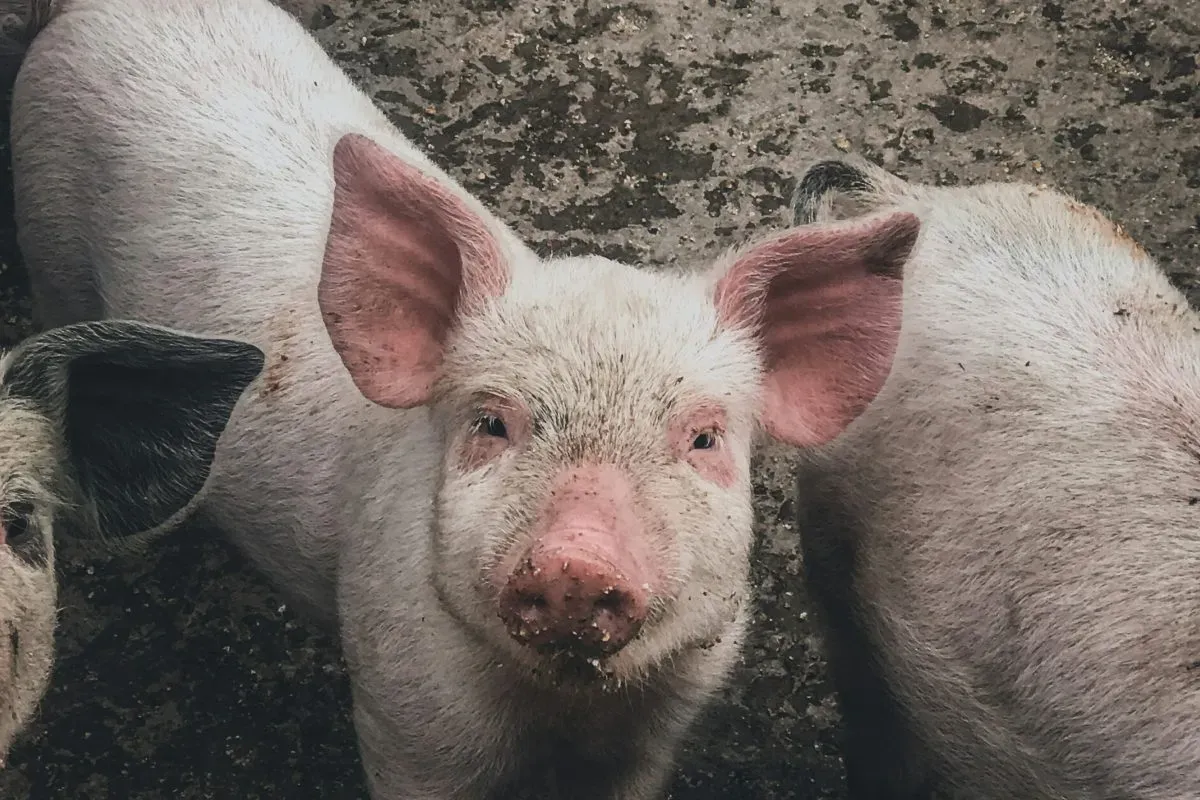
Post-Pandemic Growth Accelerates Output
Part of the production surge stems from economic changes after COVID-19. Rising unemployment and migration from cities to rural areas pushed many people into agriculture. Pig farming offered a relatively stable business opportunity.
“Many people looked for alternatives to generate income and started ventures in the agricultural sector,” Guevara said. “Pig farming offered a more stable business opportunity and that contributed to increased production.” [Translated from Spanish]
Greater market confidence also played a role. In January 2024, Panama approved a decree limiting certain pork import volumes. Producers say this stabilized the market after years of excessive foreign competition. Stronger controls on pork commercialization followed, further boosting domestic production.
Current annual production stands at an estimated 65,000 metric tons of pork. That’s enough to cover most local consumption, which runs about 20.9 kilograms per person per year. But the math no longer balances.

By Our World in Data – https://ourworldindata.org/grapher/meat-supply-per-person, CC BY 4.0, Link
Market Saturation Threatens Industry Gains
The domestic market has reached a saturation point. Producers confirm more than 4,000 animals currently lack immediate commercial outlets. They fear that number will grow without new distribution channels.
Worry runs deeper because January 2026 marked a new phase in the Trade Promotion Agreement with the United States. Starting this year, pork cuts covered under the deal enter Panama duty-free. Producers acknowledge this as a binding state commitment but argue it demands faster complementary strategies to protect national industry sustainability.
Guevara stressed the sector does not seek to ignore Panama’s treaty obligations. Instead it calls for stricter market administration. “We understand the treaty is a state commitment that must be respected,” he said. “But we also need mechanisms to ensure our industry can survive and grow.” [Translated from Spanish]
Export Markets Become the Only Option
With local demand maxed out, exports now represent the industry’s main lifeline. Producers are actively pursuing buyers in Asia, the Caribbean and South America. These regions offer growing populations and rising protein consumption.
Industry leaders point to Latin American pork market trends as encouraging. Several neighboring countries import significant pork volumes. Panama’s geographic position, with access to both the Pacific and Atlantic, provides logistical advantages for shipping.
But breaking into export markets takes time. Producers need to meet international sanitary standards, establish distribution networks and build buyer relationships. None of this happens overnight.
Detailed Panamanian pork industry production data shows the urgency. Current output already exceeds local absorption capacity. Without export channels, producers face the prospect of unsold inventory and falling prices.
Industry Seeks Government Support for Export Push
Producers have begun talks with government agencies about export promotion programs. They want technical assistance for meeting foreign market requirements. They also seek trade missions to potential buyer countries.
The sector’s transformation from import victim to potential exporter represents a remarkable story. A decade ago many predicted Panamanian pork production would disappear. Instead it modernized, expanded and now looks beyond national borders.
Guevara summarized the industry’s position with cautious optimism. “We went from fighting to survive against imports to needing to export our own production,” he said. “That’s a good problem to have, but it’s still a problem we must solve.” [Translated from Spanish]
The coming months will test whether Panama’s pork industry can complete its transition. Success depends on finding foreign buyers before domestic surplus becomes unsustainable. Failure could undo years of hard-won gains.
For now producers remain focused on the opportunity. They have proven they can compete on quality and efficiency. The next challenge is proving they can compete in global markets too.