


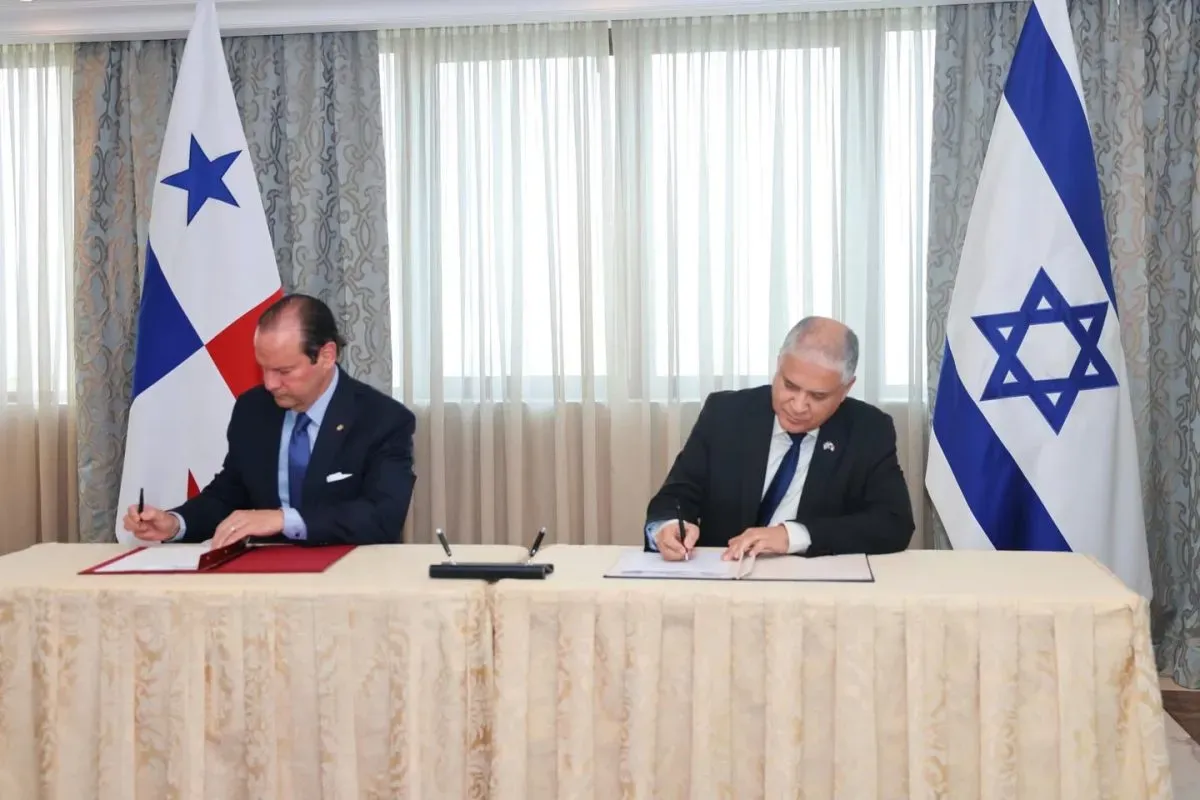
Panama and Israel elevated their bilateral relations on Wednesday. The two countries signed a memorandum of understanding to promote strategic development projects. Foreign Minister Javier Martínez-Acha and Israeli Ambassador to Panama Mattanya Cohen formalized the agreement in Panama City.
The pact establishes a new cooperation framework between both nations. It focuses on joint initiatives in sectors considered strategic for development. The Israeli Agency for International Development Cooperation, known as Mashav (Israel Agency for International Development Cooperation), coordinated the effort alongside Panama’s Foreign Ministry.
Strategic Sectors Targeted for Cooperation
The memorandum covers multiple development areas. Water management, agricultural technology, and digital health stand out as priorities. Education innovation and logistics digitalization for medical supplies also feature prominently. Both countries will exchange experts, host technology companies, and organize seminars and conferences.
The agreement uses a Public-Private Partnership (PPP) model to structure the projects. This approach brings together government resources and private sector efficiency. Officials said the model has proven successful in other international cooperation efforts.
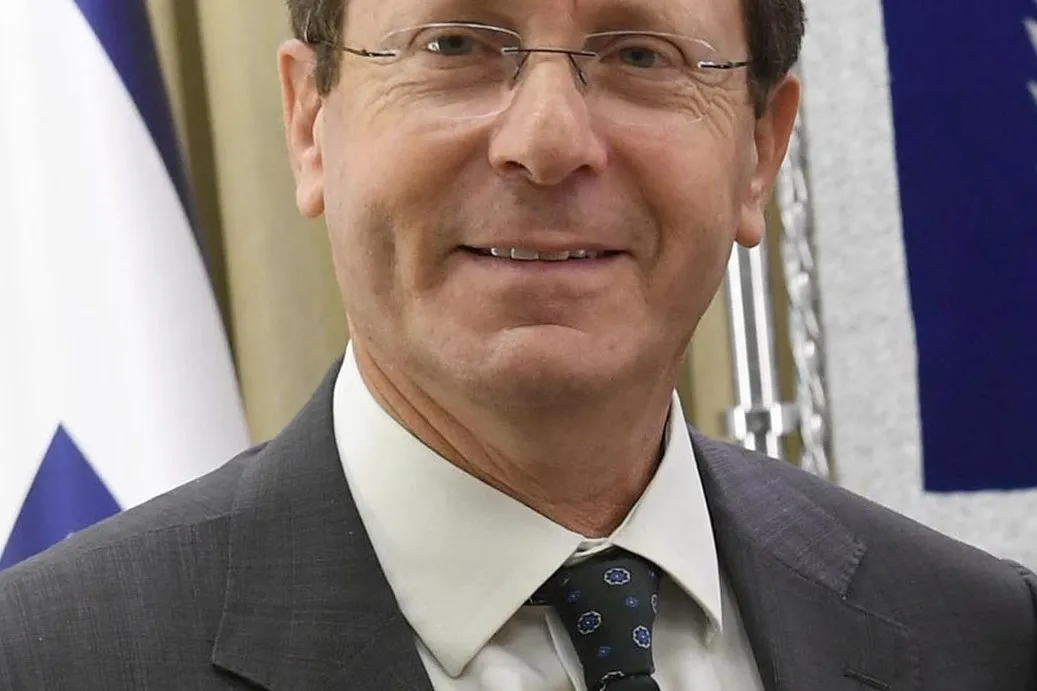
Ambassador Mattanya Cohen called the agreement a concrete result of recent high-level visits. “This represents one of the first concrete outcomes from President Isaac Herzog’s recent visit to Panama,” Cohen said. [Translated from Spanish]
The Israeli diplomat reaffirmed his country’s commitment to innovation and international cooperation. He said Israel continues seeking development opportunities for Panama. The ambassador emphasized that technology transfer remains a cornerstone of the partnership.
Decades of Bilateral Cooperation
Panama and Israel have maintained cooperative relations for decades. Their partnership has focused heavily on innovation, technology, and sustainable development. The new memorandum builds on this foundation with specific project targets.
Panama-Israel bilateral relations have strengthened significantly in recent years. High-level visits and trade missions have increased. The agreement signed Wednesday formalizes many ongoing discussions into actionable programs.
Foreign Minister Javier Martínez-Acha said the pact reflects both countries’ willingness to work together. “This memorandum is based on permanent dialogue and the willingness of both parties to work in a coordinated and friendly manner,” Martínez-Acha stated. [Translated from Spanish]
The minister added that international cooperation remains essential for facing common challenges. He described the agreement as a tool for generating development opportunities. The signing ceremony included officials from both nations’ diplomatic corps.
Next Steps and Implementation
Implementation teams will begin work immediately. They will identify specific projects under each sector covered by the agreement. Water management projects are expected to launch first given Panama’s seasonal water challenges.
Digital health initiatives will follow, focusing on telemedicine and medical supply chains. Agricultural technology projects aim to improve crop yields and food security. Education programs will target teacher training and digital classroom tools.
The agreement does not specify funding amounts. Instead it establishes a framework for identifying and developing projects. Each initiative will require separate financing agreements and feasibility studies.
Foreign Minister Javier Mart has prioritized international cooperation since taking office. His meeting with Israeli officials follows similar engagement with other partner nations. The minister has emphasized practical results over symbolic agreements.
Israeli President Isaac Herzog’s recent visit to Panama laid groundwork for this memorandum. That trip included meetings with Panamanian business leaders and government officials. The agreement signed Wednesday represents the first major deliverable from those discussions.
Both countries expect the partnership to expand beyond initial sectors. Technology transfer and joint research opportunities may emerge. Officials from both sides described the agreement as a living document that can grow with changing needs.
The signing ceremony took place at Panama’s Foreign Ministry headquarters. Ambassador Cohen and Minister Martínez-Acha exchanged documents and shook hands. Staff from both embassies attended the event alongside invited guests.
Panama continues positioning itself as a regional hub for innovation and technology. This agreement with Israel supports that broader strategy. The PPP model ensures private sector involvement in project development and execution.
Israeli companies have already shown interest in Panamanian infrastructure projects. Water technology firms see opportunities in Panama’s canal operations. Agricultural tech startups eye Panama’s growing food export sector. The new agreement formalizes pathways for these business relationships.
Implementation timelines remain flexible. Officials said priority projects could launch within six months. More complex initiatives may require additional study and preparation. The agreement establishes a joint committee to monitor progress and address challenges.