


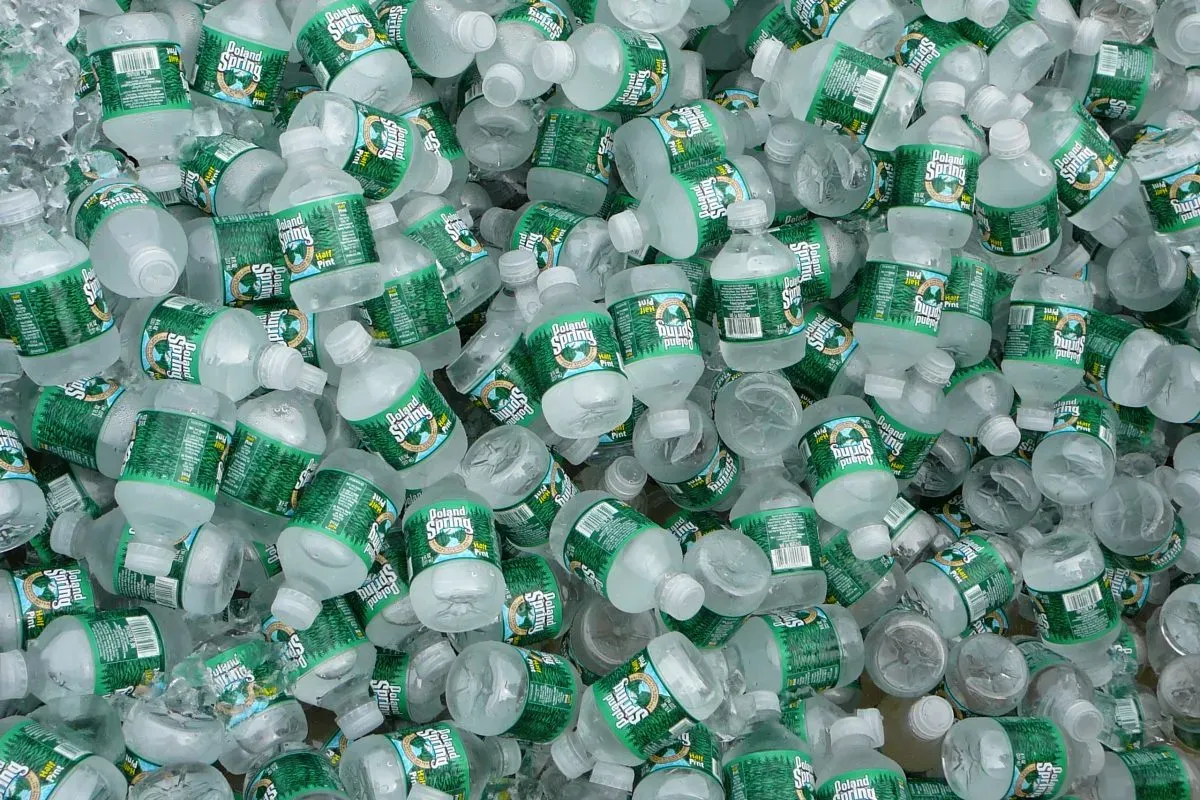
Panama’s Executive Branch has extended a price control decree for bottled water in two provinces hit by severe drought. The measure will remain in effect for another six months. Officials signed Executive Decree No. 10 on June 12, 2026, to keep the maximum retail price on bottled water in Herrera and Los Santos.
The new decree extends the previous regulation from June 2025. It takes effect on June 14, 2026. Government leaders acted because tap water remains unsafe to drink in several communities across the region.
Emergency Response to Ongoing Drought
The Herrera and Los Santos provinces water crisis has created extraordinary demand for bottled water. Many residents cannot access clean drinking water from their household taps. The government first imposed price controls one year ago to stop price gouging.
Officials published the new decree in the Official Gazette. The document states that water in some areas “continues without being suitable for human consumption.” [Translated from Spanish] This situation forced families to buy bottled water at higher costs.
The regulation aims to prevent unjustified price increases and possible hoarding practices, guaranteeing that the population can acquire this essential resource during the emergency.
The government cited its constitutional authority to intervene in essential goods pricing. Law 45 of 2007 provides the legal framework for such temporary measures. Authorities said the extension protects consumers while drought conditions persist.
Legal Basis for Price Intervention
The Panama price control decree relies on specific constitutional provisions. The state can regulate prices of certain goods during emergencies. This power aims to balance market forces with public welfare needs.
Executive Decree No. 24 from June 2025 first established these controls. That original measure was temporary but the crisis has not resolved. The Azuero water crisis continues to affect thousands of residents across the region.
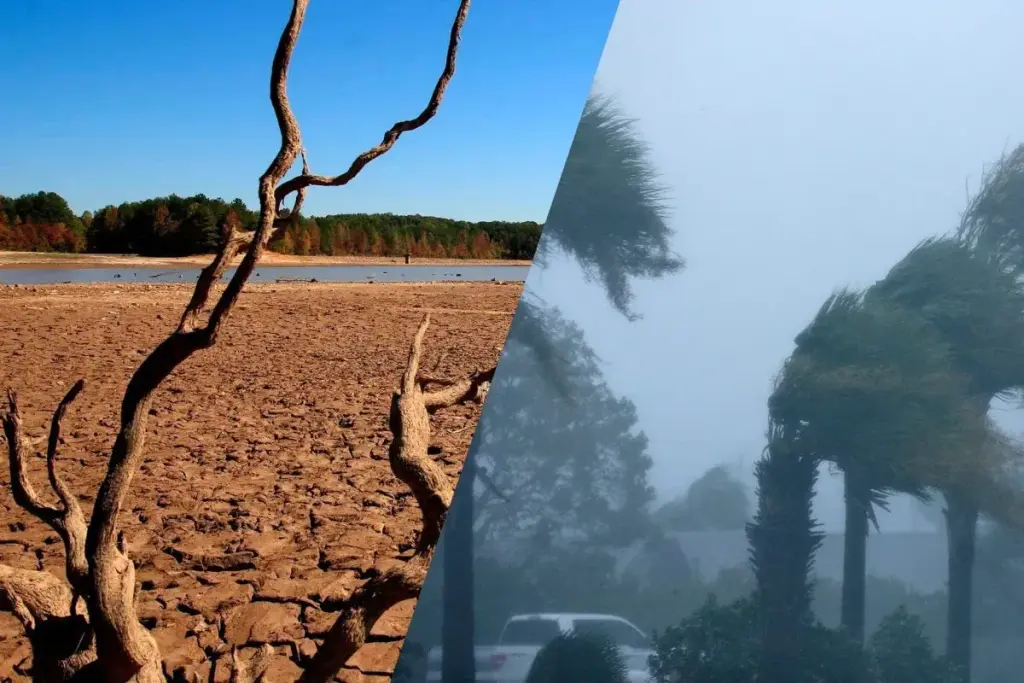
Local authorities report that groundwater levels remain critically low. Rainfall patterns have shifted dramatically in recent years. Climate experts link the prolonged drought to broader environmental changes affecting Central America.
Impact on Local Communities
Families in rural areas face the greatest challenges. Many rely on wells that have dried up completely. Tanker trucks deliver water to some communities but supplies remain inconsistent.
The price cap applies to all bottled water presentations sold at retail. Stores cannot charge more than the established maximum price. Inspectors will monitor compliance across both provinces.
Violators face fines and potential legal action. The government warned against hoarding or creating artificial shortages. These practices would undermine the decree’s purpose, officials said.
The Ministry of Health continues working with international engineers on long-term solutions. A permanent fix requires significant infrastructure investment. The current measures serve as a bridge while those projects develop.
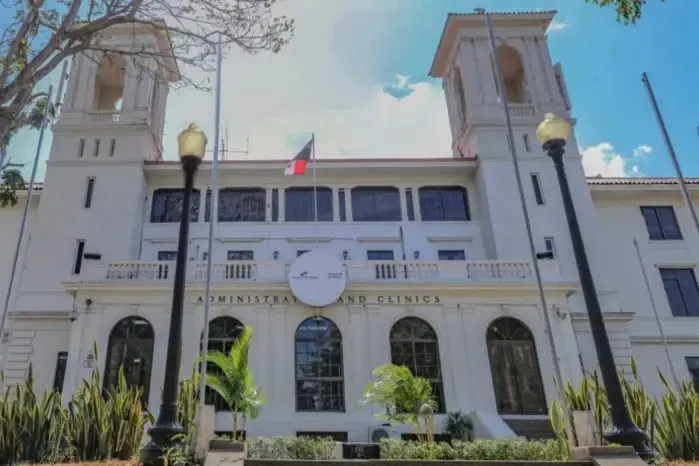
President Mulino’s administration has made water security a priority. The Executive Decree represents one tool in a broader strategy. Other efforts include drilling new wells and repairing distribution networks.
Residents should expect the price controls to remain through December 2026. The government will reassess conditions before that deadline. If the drought persists, another extension remains possible.
Panama’s Consumer Protection Authority will enforce the price limits. Citizens can report violations through official channels. The agency has pledged swift action against any businesses that break the rules.
This crisis highlights Panama’s vulnerability to climate extremes. The Azuero Peninsula traditionally receives less rainfall than other regions. But recent years have brought unprecedented dry conditions that strain local water systems.