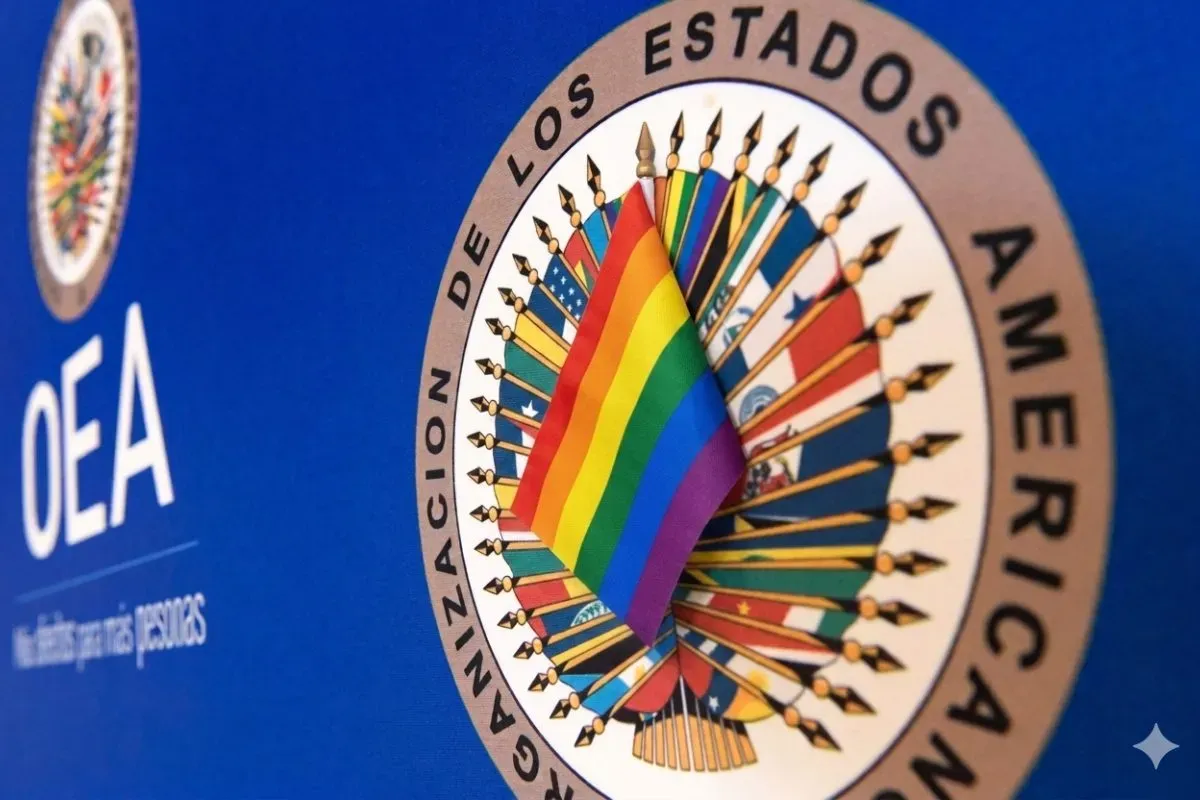
Panama’s Foreign Minister Javier Martínez-Acha directly challenged China’s ambassador during a heated exchange at the Organization of American States (OEA) assembly on Tuesday. The diplomatic confrontation took place at the 56th plenary session in Panama City. At the center of the dispute lies a Panama Supreme Court ruling on port concession that voided a contract with a Chinese-owned firm.
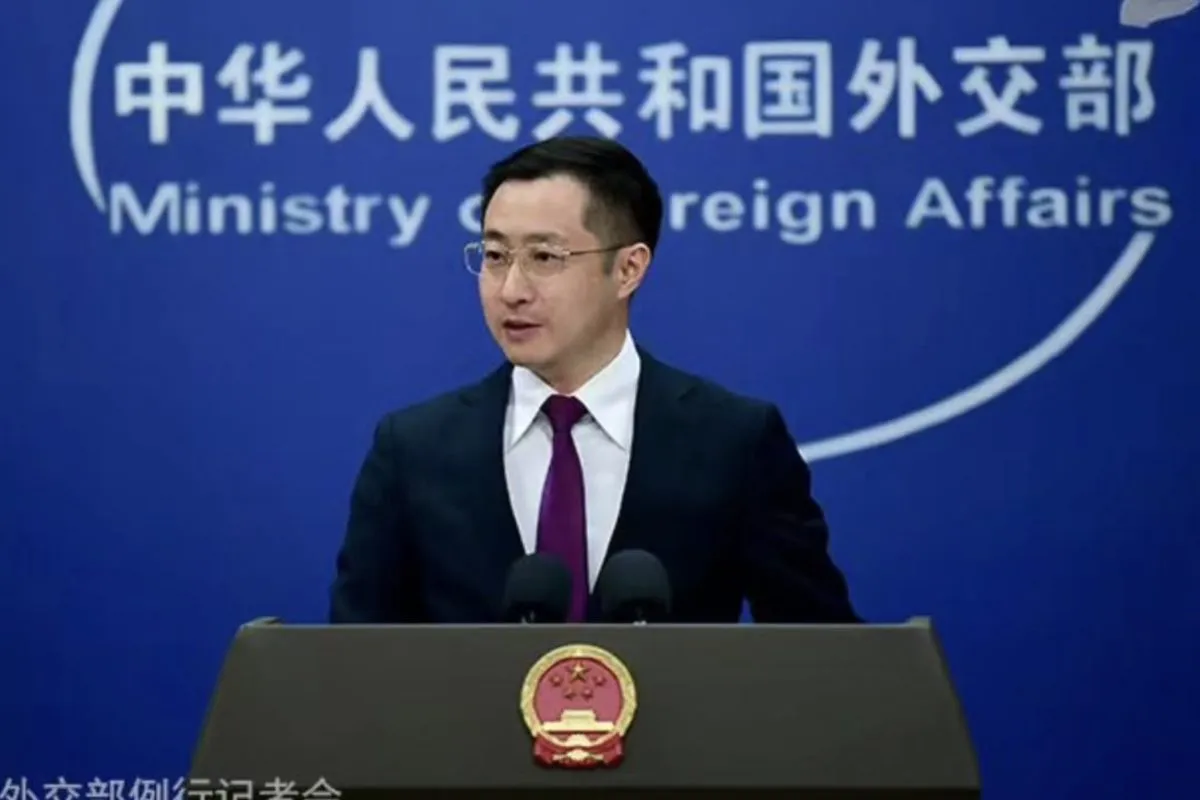
Chinese Ambassador to the United States Xie Feng raised concerns about Panama’s maritime policies during the session. He claimed that inspections of Panamanian-flagged vessels in Chinese waters are standard safety procedures. “Since the start of 2026, Panama has been involved in accidents in Chinese waters and five people have disappeared. For maritime safety and the safety of people, China conducts inspections in accordance with international conventions, without targeting a specific flag or country,” Feng stated. [Translated from Spanish]
Feng lamented the Panama Ports Company contract ruling by the Supreme Court. That decision declared the concession for the Balboa and Cristóbal ports unconstitutional. The company is a subsidiary of Hong Kong-based CK Hutchinson Holding Limited. Feng urged Panama to protect Chinese business interests during his address to the assembly.
Panama Stands Firm on Constitutional Separation of Powers
Minister Martínez-Acha delivered a sharp rebuttal to the Chinese ambassador. He invited Feng to read Panama’s Constitution after the OEA session ends. The foreign minister clarified what he called “inaccurate” points raised by China during the diplomatic meeting.
“My country, my government and my president respect our Constitution much more,” Martínez-Acha emphasized. [Translated from Spanish] He explained that the Supreme Court ruling was clear. The port concession renewal failed to meet the requirements set by Panama.
“The legal controversy began with the previous government. I must clarify that the Supreme Court has a clear majority of magistrates appointed by previous administrations. Your representatives in my country do not understand Panama’s democratic system. They asked me several times to interfere with a decision of a separate branch of power to reverse a ruling. The only thing my government can do is obey it.” — Javier Martínez-Acha, Panama Foreign Minister [Translated from Spanish]
Panama values its relationship with China, the minister said. But he insisted that any differences must be resolved on equal terms. “You have sovereignty in your ports to conduct inspections and detentions. But this audience should know that those inspections and detentions do not occur in those numbers in your ports, nor in ports near your country, nor in Japan, South Korea, Vietnam or the Philippines. The number and increase are substantially higher than what existed before the Supreme Court ruling,” he claimed.
Panama Refuses Superpower Rivalry Role
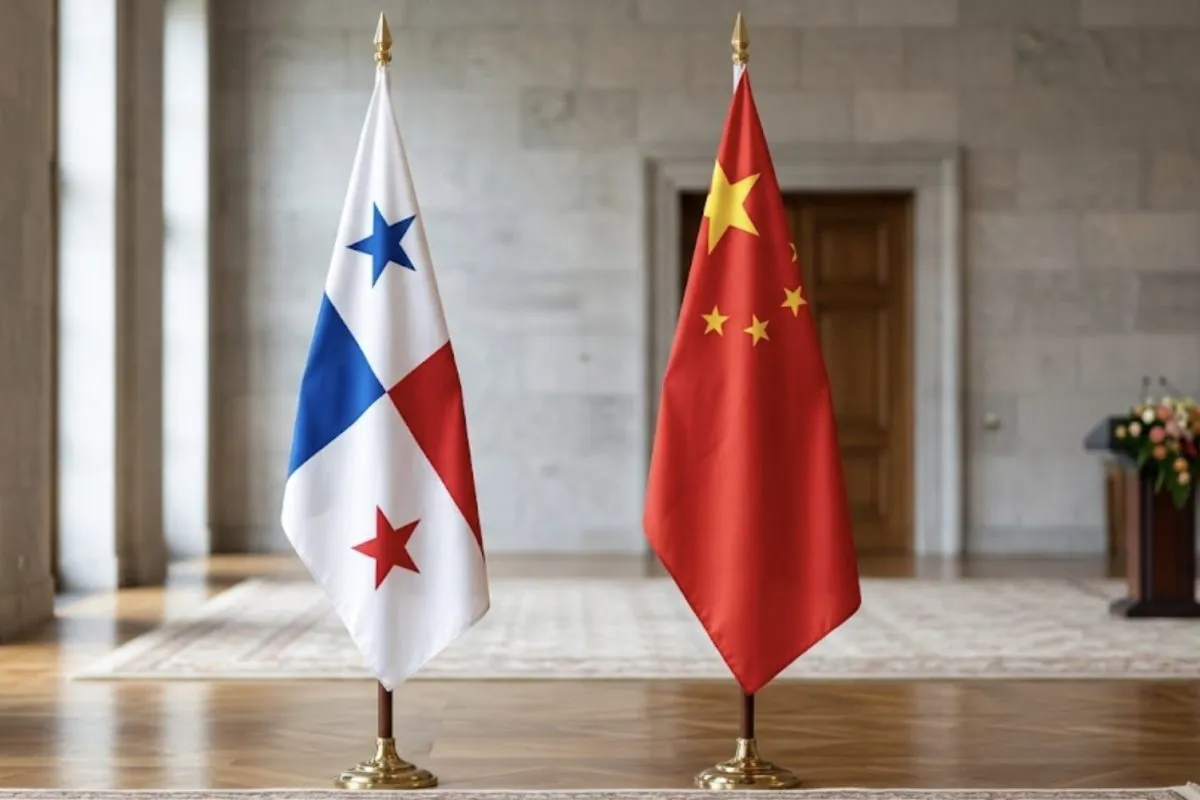
The foreign minister made Panama’s position unmistakably clear. The country does not want to enter a superpower rivalry scenario. Panama’s foreign policy remains independent and respectful of all nations.
“My president has constitutional validation to defend Panama’s interests, just as you defend your country’s interests. I invite you to de-escalate. I invite you to speak respectfully. But I invite you to respect my Constitution as I respect yours,” Martínez-Acha told the Chinese ambassador. [Translated from Spanish]
The exchange occurred during the Organization of American States (OAS) general assembly in Panama. President José Raúl Mulino earlier brought the maritime conflict before the international body. He demanded an immediate end to vessel detentions in Chinese waters.
Panama’s Supreme Court ruling on the port concession remains a flashpoint in bilateral relations. The decision affects operations at two of Panama’s most strategic ports. Both nations now face a delicate diplomatic path forward following this public confrontation at the OEA assembly.