


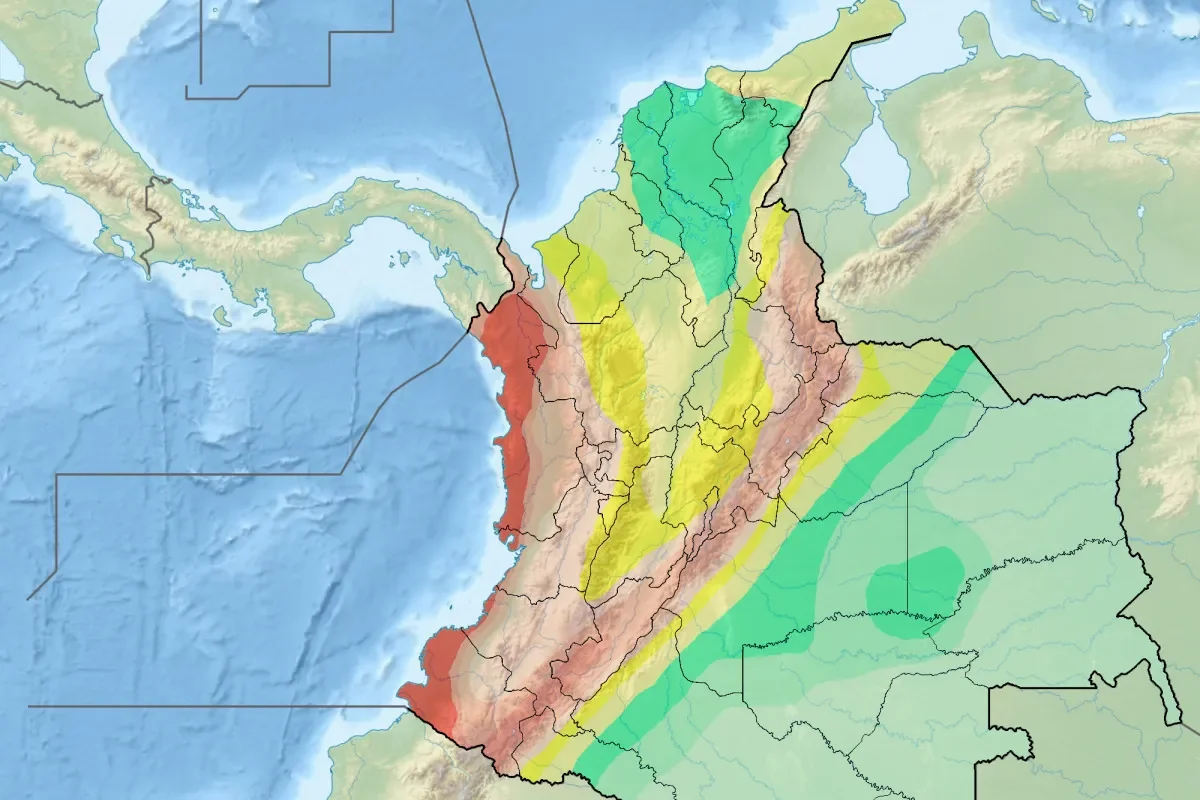
A powerful 7.2-magnitude earthquake that struck Colombia’s Chocó region early this Monday sent a sharp Panama tremor rippling through border communities and as far as the capital, triggering building evacuations, a temporary metro shutdown, and moments of panic before authorities confirmed no major damage. The seismic jolt, which originated across the frontier, was felt most intensely in the Darién province town of Jaqué, where residents described a prolonged shaking unlike anything in recent memory.
Border Town Shaken As Panama Tremor Lasts Nearly Two Minutes
In Jaqué, a remote community hugging the Colombia border, the ground moved in ways that quickly separated this event from routine seismic activity. José Richards, a local resident, said the shaking continued for roughly two minutes, sending school officials into immediate evacuation mode. Children were hurried out of classrooms while adults scanned the horizon for signs of structural distress. Richards later told reporters that the length of the tremor, not just its force, unsettled the population.
“We surveyed the area, found no damage, the community stayed calm and students have settled down,” [Translated from Spanish]
That quick return to normalcy masked the initial fear. In many frontier villages built with simple materials, a tremor of this duration can easily crack walls or loosen roofs. But the Monday Panama tremor left Jaqué untouched, a fact that surprised even emergency coordinators who braced for reports of collapse. No injuries or infrastructure failures were recorded in the town, and students resumed classes after a short break outside.
Evacuation Protocols Kick In Across Public Buildings and Transit
Far from the epicenter, the ripple effect of the same Panama tremor reached Panama City’s financial district of Condado del Rey. Office towers emptied in orderly fashion as workers, well-drilled in safety routines, descended stairwells and gathered in designated assembly zones. Public hospitals and government institutions followed suit, pausing patient care and paperwork while engineers swept buildings for cracks. Across the national territory, the synchronized response reflected years of repetitive drills run by security agencies.
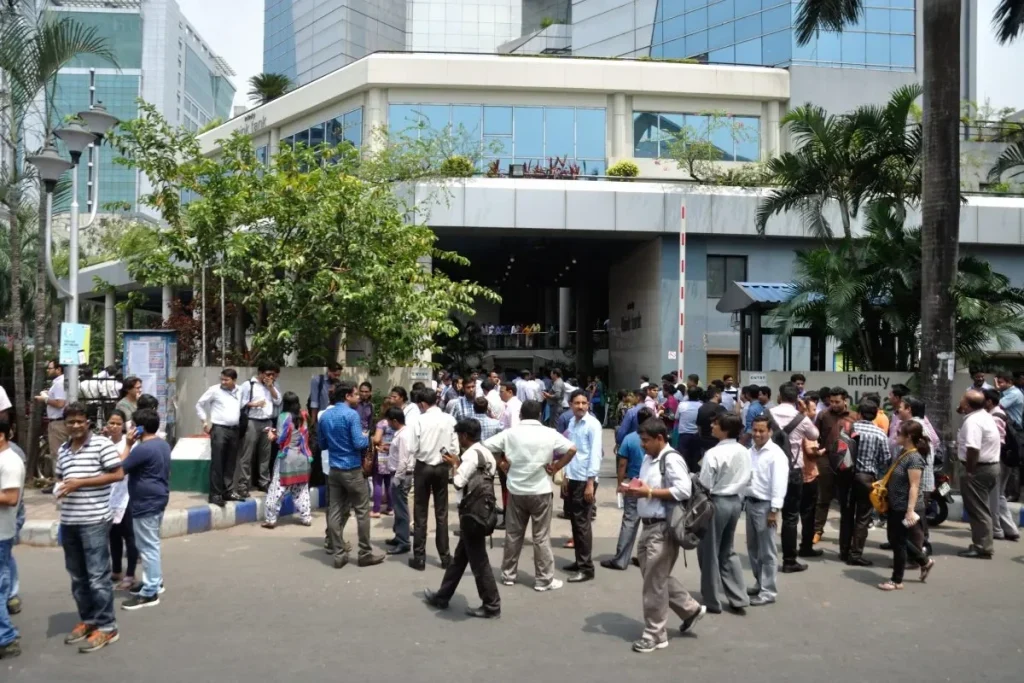
The capital’s Metro Line 1, a backbone of daily commuter movement, halted for several minutes. Passengers were escorted off trains and onto platforms, with some riders later saying the sudden stop was more jarring than the ground movement itself. Train operators and station staff followed the same playbook: secure the system, verify track integrity, then restart in stages. Within minutes, the all-clear was given and services resumed. A Ministry of Public Works official remarked later that the evacuation, though unnerving, proved the protocols worked as designed.
The instinct to flee, rather than freeze, came naturally to many public employees. Several workers said the shaking immediately triggered memories of the evacuation steps they had rehearsed. They headed to exits without waiting for alarms, a sign that previous earthquake simulations had sunk in. No stampedes or confusion were reported, and by midday ordinary work rhythms had returned to nearly all evacuated buildings.
Regional Seismic Context Shapes the Panama Tremor Conversation
The Colombia-Panama border zone sits atop a restless patch of the Pacific Ring of Fire where the Nazca and South American plates grind against each other. Historical seismology records show that Chocó province has produced multiple 7.0-plus events in the past century, often transmitting energy northwest into Panama’s Darién gap. Monday’s Panama tremor was the latest reminder that while Panama lacks the frequent destructive quakes of its neighbors, its eastern flank remains vulnerable to transboundary shocks.
Geologists have long warned that shallow earthquakes in Colombia’s Pacific coast can generate surface waves that travel hundreds of kilometers with little loss of intensity, especially through the soft soils of Panama’s coastal plains. The perceived duration in Jaqué, a full two minutes, suggests a rupture length that typically accompanies a major thrust or strike-slip fault. For Panama’s disaster management community, it served as an unplanned test of real-time alert systems and cross-border communication, both of which appeared to function without major gaps.
Unlike destructive events elsewhere in Central America, this Panama tremor did not produce a tsunami alert or widespread utility outages. Its legacy will likely be administrative: an opportunity for civil defense authorities to review response times, refine messaging to remote Darién towns, and check the seismic resilience of aging school buildings near the border. For residents, the takeaway was simpler, a long, deep shake that ended without incident but left a lingering awareness of the earth’s unpredictability.
Communities Return to Routine With No Damage Sighted
By Monday late morning, life across the affected areas had largely returned to normal. In Panama City’s commercial zones, workers trickled back into high-rises after structural checks came back clean. At the Santo Tomás Hospital, emergency rooms briefly braced for a flood of injury cases that never materialized. Staff reported only a handful of stress-anxiety episodes, nothing physical. The metro ran on schedule again, packed with commuters whose morning commute had turned strange but short-lived.
Along the border, the calm that Richards described held steady. Local authorities in Darién kept monitoring for aftershocks, but the early data from Colombia’s geological service indicated the mainshock had released most of the accumulated strain. No aftershocks strong enough to be felt in Panama were recorded. Community leaders in Jaqué said they would review school evacuation routes, more out of caution than necessity, and planned a community meeting to reinforce preparedness for the tropical rainy season when landslides can compound any seismic disturbance.
Panama’s National Civil Protection System, known as Sinaproc, gave the tremor their lowest classification for domestic impact while acknowledging the psychological weight it carried. For a country that sits largely outside the most violent earthquake belts, any shaking that empties a metro line or clears a hospital ward becomes a teachable moment. The Monday Panama tremor delivered that lesson without extracting a price, a rare alignment that has officials quietly relieved and residents just happy to have solid ground underfoot again.