


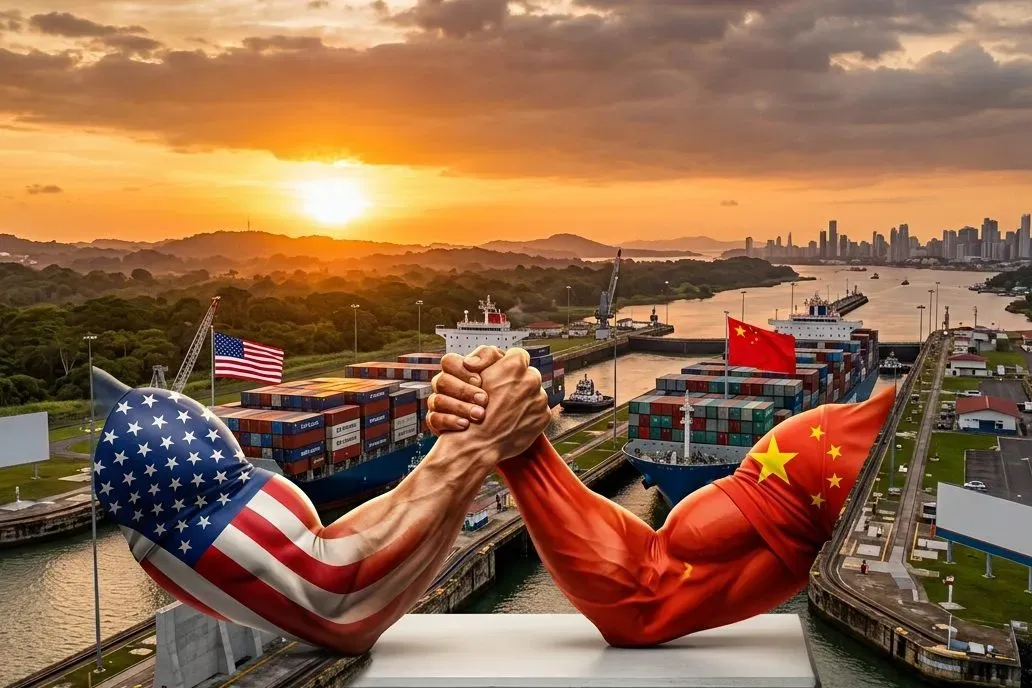
The Panama Canal has transformed from a commercial asset into a flashpoint for strategic competition between the United States and China. Global trade routes are being reshaped as superpowers race to secure critical international shipping nodes. Analysts now describe the waterway as the epicenter of a systemic struggle for influence in the Western Hemisphere.
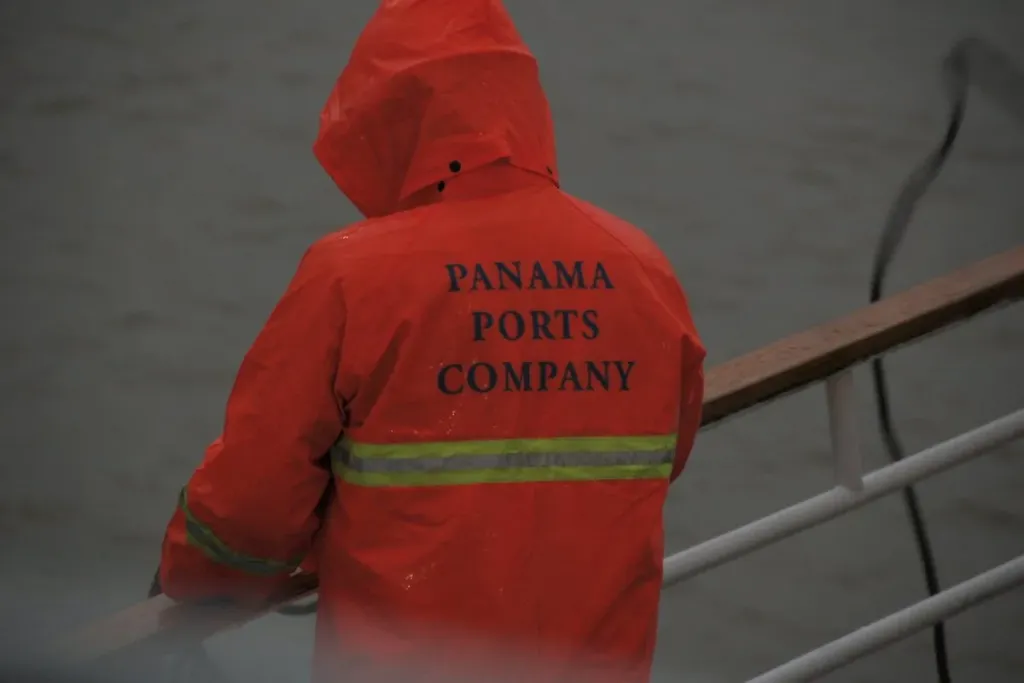
This shift did not happen overnight. It resulted from a decade of diplomatic and economic tensions that culminated in early 2026. Panama’s Supreme Court declared a port concession contract illegal in February 2026. That concession had allowed Panama Ports Company, a subsidiary of Hong Kong based CK Hutchison Panama Ports Company concession, to operate the strategic ports of Balboa and Cristóbal for 28 years. Beijing responded by slowing and obstructing merchant fleets sailing under the Panamanian flag of convenience.
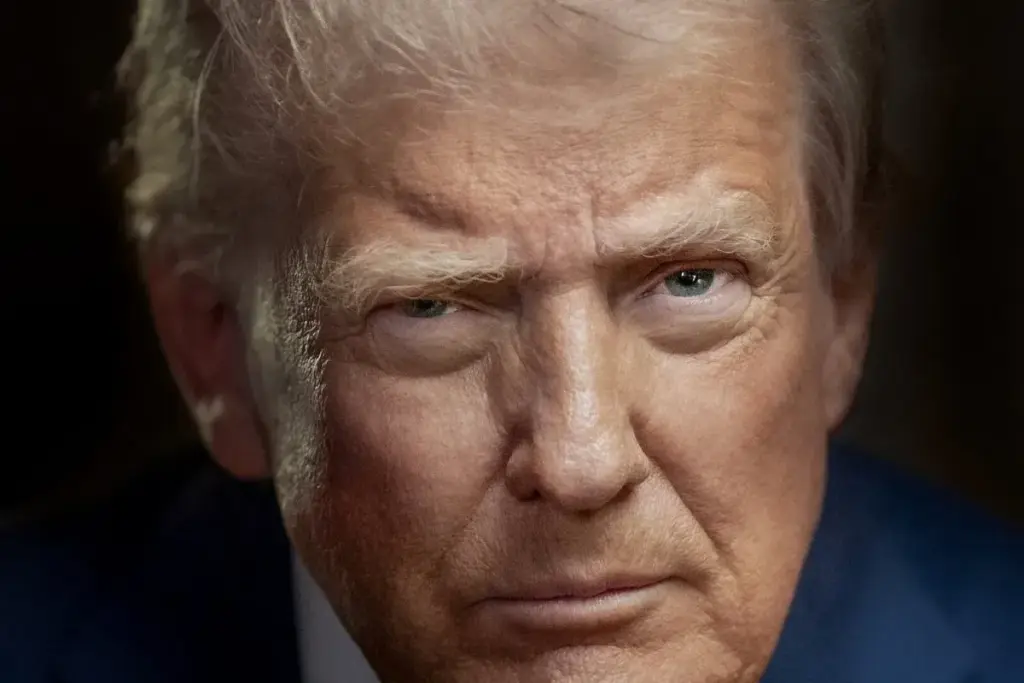
President Donald Trump began demanding free passage for US vessels shortly after taking office in 2025. He claimed China had taken control of the canal. Trump’s administration signaled a clear intent to reclaim influence in strategic spaces that previous governments had left open. Beijing had filled that void with cultural outreach, financial support, and massive infrastructure investments across Latin America.
A Decade of Diplomatic Drift
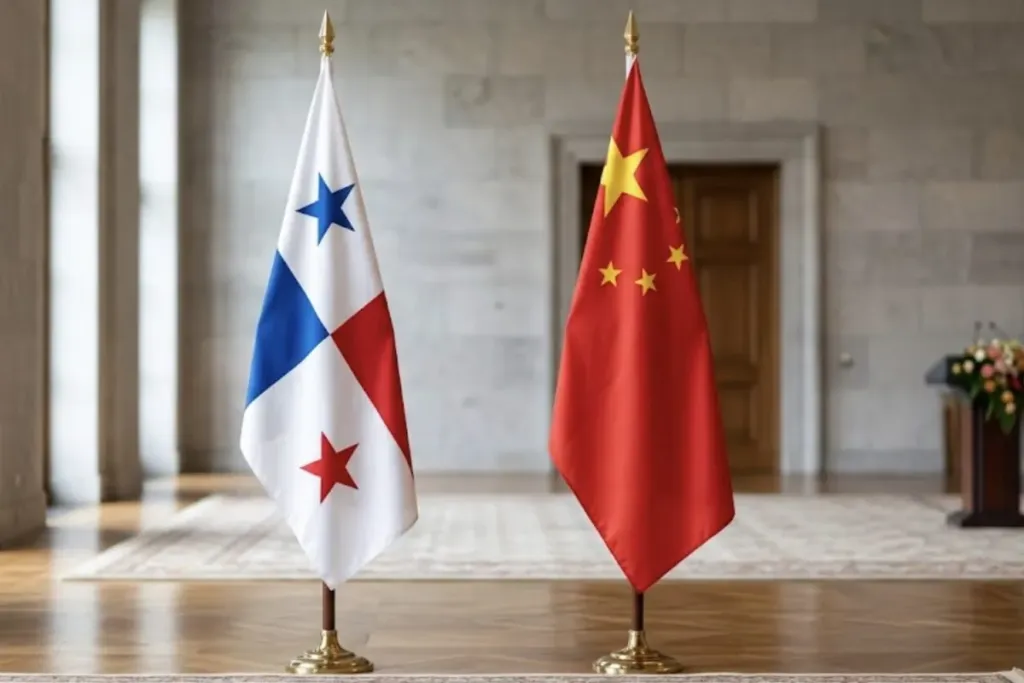
Panama severed ties with Taiwan and established China-Panama diplomatic relations 2017 in a move that initially received little public attention. The US ambassador resigned in March 2018 citing personal reasons. Washington did not send a replacement until November 2022. That diplomatic vacuum allowed Chinese influence to deepen significantly.
Relations cooled under President Laurentino Cortizo who served from 2019 to 2024. When President José Raúl Mulino took office in 2024 his administration scrapped the Belt and Road Initiative agreement. The Supreme Court ruling against the port concession followed soon after. Beijing’s retaliatory measures against Panamanian flagged ships marked a dramatic escalation.
Parsifal D’Sola Alvarado, executive director of the Andrés Bello Foundation, a nonprofit research organization focused on China Latin America relations, did not mince words.
‘The importance of the Panama Canal is taken for granted. It is the bottleneck and center of gravity for hemispheric trade. It should not surprise anyone that in an environment of growing geopolitical instability worldwide it becomes a point of tension’ [Translated from Spanish]
Two Contradictory Dynamics at Play
Einar Tangen from the Centre for International Governance Innovation, a nonpartisan research institute based in Canada, offered a more nuanced view.
‘The Panama question exists simultaneously within two opposing dynamics’ [Translated from Spanish]
The first dynamic involves intensifying efforts to contain China’s global reach while maintaining US control over the Western Hemisphere. The second dynamic reflects growing recognition that economic fragmentation between the world’s two largest economies carries significant systemic risks. Tangen added that it remains unclear whether these two objectives can coexist.
Both analysts base their conclusions on recent events that can be viewed from two distinct angles. Tangen describes the current US approach as a denial strategy rooted in the theories of Elbridge Colby, now Under Secretary of Defense for Policy. Washington has merged military strategy with economic management. Logistics and trade now function as extensions of national defense designed to contain China’s rise. This has translated into pressure on allies to restructure their economic and defense relationships around strategic competition with Beijing.
D’Sola agrees the competition is systemic but emphasizes America’s changing role. The United States has moved away from being the global police force. It now focuses narrowly on national security and control of the Western Hemisphere. Supply chain relocation and reducing the influence of extra regional actors like China and Russia have become top priorities.
The consequences are already visible. Panama withdrew from the Belt and Road Initiative. The Panama Canal geopolitical significance has never been more pronounced. The waterway connects two oceans, a logistical advantage no other country can offer. That unique geography now makes it a prize worth fighting over.
What the Future Holds
The sources consulted agree on one fundamental point. The Panama Canal has stopped being a simple commercial asset. It has become the epicenter of a systemic struggle between the United States and China. Each analyst brings different nuances about the causes and consequences of this tension.
D’Sola believes US foreign policy is undergoing a long term transformation. That shift will have significant consequences for Latin America, particularly for countries aligned with Washington. The old rules of engagement no longer apply. The new reality demands that Panama and its neighbors navigate carefully between two competing giants.
Tangen warns that the current trajectory carries risks for everyone involved. Economic decoupling between the United States and China would disrupt global supply chains. The Panama Canal sits at the center of those chains. Any disruption would send shockwaves through the global economy.
The Panama Canal generates billions in annual revenue and handles roughly six percent of global maritime trade. Its strategic value extends far beyond the tolls collected from passing ships. The waterway represents control over a critical chokepoint in the global trading system. Both Washington and Beijing understand this reality perfectly.
Panama finds itself caught in the middle. The country must balance its historical relationship with the United States against the economic opportunities China offers. The port concession dispute demonstrated how quickly tensions can escalate. Beijing showed it has tools to pressure Panama beyond diplomatic channels. Washington showed it will not tolerate Chinese control over strategic assets in its backyard.
The coming months will test Panama’s ability to navigate this new reality. The canal remains Panamanian territory. But the forces competing for influence over it are global in scale. Local decisions now carry international consequences. Every move Panama makes will be watched closely in Washington and Beijing.
Both analysts agree that this situation has no quick resolution. The struggle for influence in the Western Hemisphere will continue regardless of who occupies the White House or the leadership positions in Beijing. The Panama Canal has become a permanent feature of the geopolitical landscape. Its role as a commercial artery now comes with heavy strategic baggage.
Panama’s leaders must decide how to position their country in this new environment. The choices they make will determine not just the canal’s future but the nation’s sovereignty and prosperity for generations to come. The world is watching and waiting to see which path Panama chooses.
El Canal de Panamá y la geoeconomía: lucha de gigantes en la cintura de América
— La Prensa Panamá (@prensacom) June 29, 2026
Sigue este link para más información en https://t.co/IuTOqawqII 📌. via @prensacom https://t.co/uzjeVkIkrC