


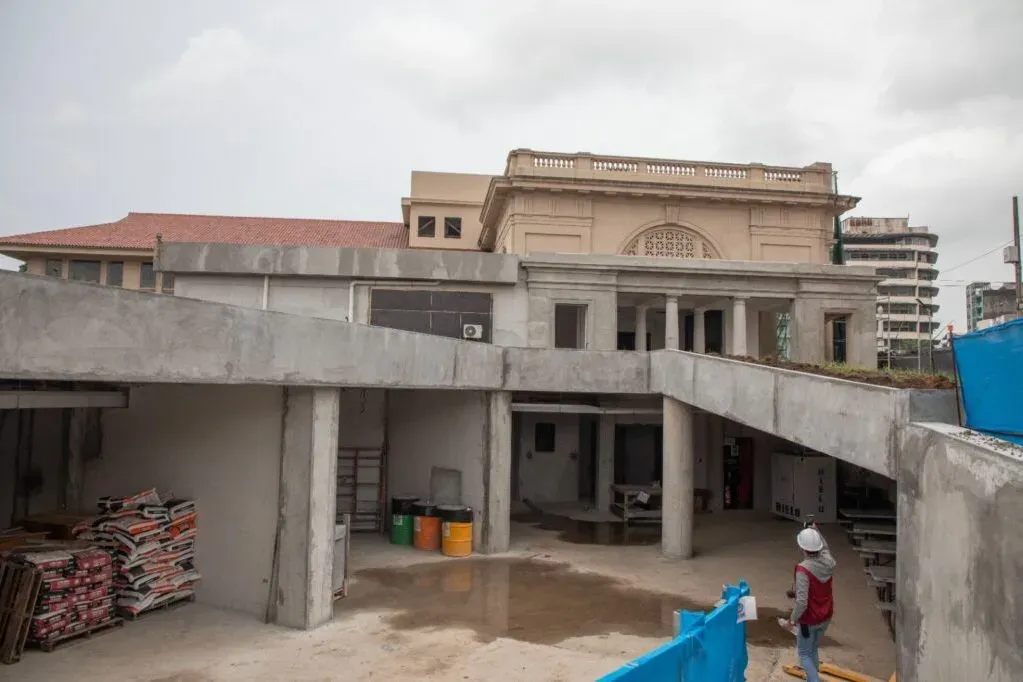
Deep inside a sprawling construction site in Panama City, workers are carefully installing climate control systems and display cases. These aren’t just any rooms. They’re preparing a vault designed to hold thousands of years of human history. The Museum Reina Torres de Arauz, once known as the Museum of the Panamanian Man, is taking shape. And when it opens, it will house more than 16,000 pieces of the nation’s soul.
José Ramón Icaza, the secretary of Goals, recently walked through the unfinished building. He checked every floor. He inspected the electrical plant and the water reserve tank. He saw the landscaping taking root outside. The message was clear. Panama wants this museum finished, and it wants it done right.
Yamileth Stanziola, who leads special projects for the Panama Ministry of Culture, guided the inspection. The team confirmed that construction has moved into the finishing phase. Key supplies are being installed. The structural work on every level is complete. The project remains on schedule for delivery in the first quarter of 2027.
A Vault for the Nation’s Memory
One room received special attention during the visit. The conservation chamber will serve as the scientific storage area for the museum’s entire collection. This isn’t just a warehouse. It’s a carefully controlled environment where temperature and humidity will be monitored around the clock. Fragile artifacts need that kind of protection.
The collection includes stone tools, gold objects, and metates. These are grinding stones used by ancient peoples. Together, they tell the story of Panama’s indigenous communities and their descendants. The museum plans to display representative samples from every region of the country. Visitors will see pieces from the Darien jungle, the Azuero Peninsula, and the Caribbean coast all under one roof.
This makes the Museum Reina Torres de Arauz the first major museum in Panama dedicated entirely to the country’s anthropological and historical wealth. It’s a bold statement. For decades, Panama’s cultural treasures were scattered across smaller institutions or kept in private collections. Now they will have a permanent home.
Restoration Meets Modern Construction
The project involves two parallel efforts. Workers are restoring the original historic building. At the same time, they are constructing new wings and facilities. It’s a delicate balance. Keeping the old character while adding modern museum technology requires careful planning.
The historic structure itself holds significance. It was originally built as a museum space. But years of use and neglect had taken their toll. The restoration team has reinforced walls, repaired facades, and updated the foundation. The new sections will house the conservation lab, administrative offices, and public exhibition halls.
Urban landscaping is also underway. The area surrounding the museum will feature green spaces and pedestrian walkways. This transforms the site into more than just a building. It becomes a destination for locals and tourists alike.
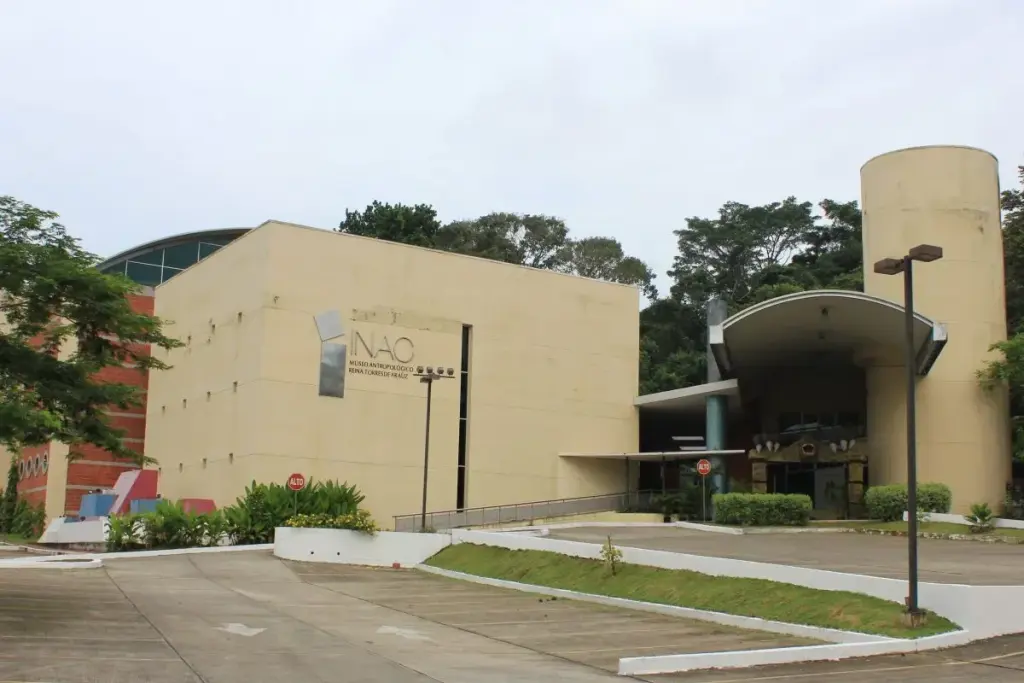
Cultural Heritage as Economic Driver
Panama has long been known for its canal and its banking sector. But cultural tourism is growing. The new museum positions Panama City as a serious destination for travelers interested in Cultural Heritage and history. International visitors who come for the canal will now have another reason to stay an extra day.
The museum is named after Reina Torres de Arauz, a pioneering anthropologist who dedicated her life to studying Panama’s indigenous cultures. She conducted fieldwork in remote communities. She documented traditions that might have otherwise been lost. The Museum Reina Torres de Arauz honors her legacy by preserving the physical evidence of those cultures.
Panama’s government has invested heavily in this project. Officials see it as a way to strengthen national identity. They also view it as a tool for education. School groups will be able to visit and learn about the country’s deep history. That history stretches back thousands of years, long before the Spanish arrived.
What the Collection Reveals
The 16,000 artifacts represent a fraction of what exists underground in Panama. Archaeologists continue to make discoveries. New sites are found during highway construction and urban development. Each find adds another piece to the puzzle.
Gold objects in the collection show the skill of pre-Columbian metalworkers. They created intricate jewelry and ceremonial items. Stone tools reveal how early inhabitants hunted, fished, and farmed. The metates tell us about food preparation and daily life. Together, these objects challenge the idea that Panama was simply a bridge between North and South America. The region had its own vibrant cultures.
The museum’s permanent exhibition will organize these artifacts in a way that tells a coherent story. Curators are designing displays that connect the past to the present. They want visitors to see continuity. The same landscapes that supported ancient communities still support modern Panamanians.
Panamanian cultural heritage extends beyond objects. It includes music, dance, language, and oral traditions. The museum plans to incorporate multimedia elements that bring these intangible aspects to life. Video installations and audio recordings will complement the physical displays.
The project has faced delays over the years. Budget constraints and construction challenges slowed progress. But the current timeline appears solid. The finishing phase is underway. The 2027 target feels realistic.
‘The project represents an important milestone for our cultural identity’ [Translated from Spanish]
When the doors finally open, Panama will have a museum that rivals those in larger Latin American capitals. It will serve as a repository for the nation’s collective memory. And it will guarantee that future generations can see, touch, and understand where they came from.
For now, the workers keep installing. The conservation team keeps cataloging. And the country waits. The first quarter of 2027 can’t come soon enough.